Met Gala 2026 Art Inspiration: 10 Stunning Looks
The Met Gala 2026 art inspiration theme transformed the iconic red carpet into a living gallery, where fashion and fine art collided in extraordinary ways. Held annually at the Metropolitan Museum of Art, the Met Gala is widely regarded as the most prestigious night in fashion, where celebrities interpret a central theme through couture.
This year’s theme, often described as “Fashion Is Art,” pushed attendees to go beyond traditional glamour. Instead, they embraced deep artistic references—from classical paintings to surrealist sculptures—turning their outfits into storytelling masterpieces.
Below are 10 of the most breathtaking examples of Met Gala 2026 art inspiration that defined the night.
1. Classical Sculpture Comes Alive
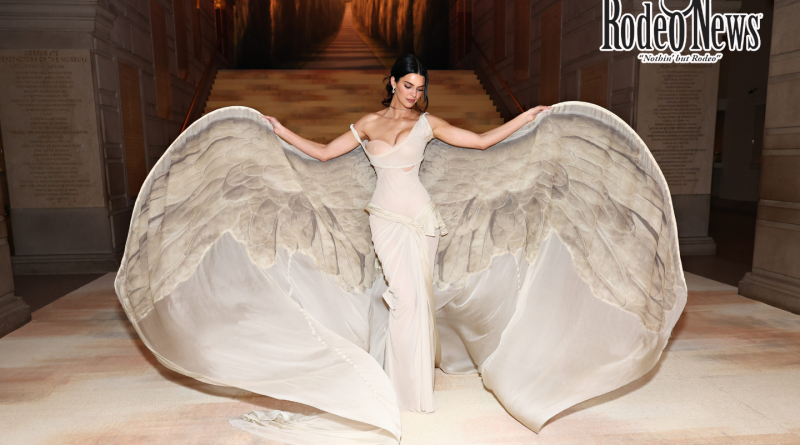
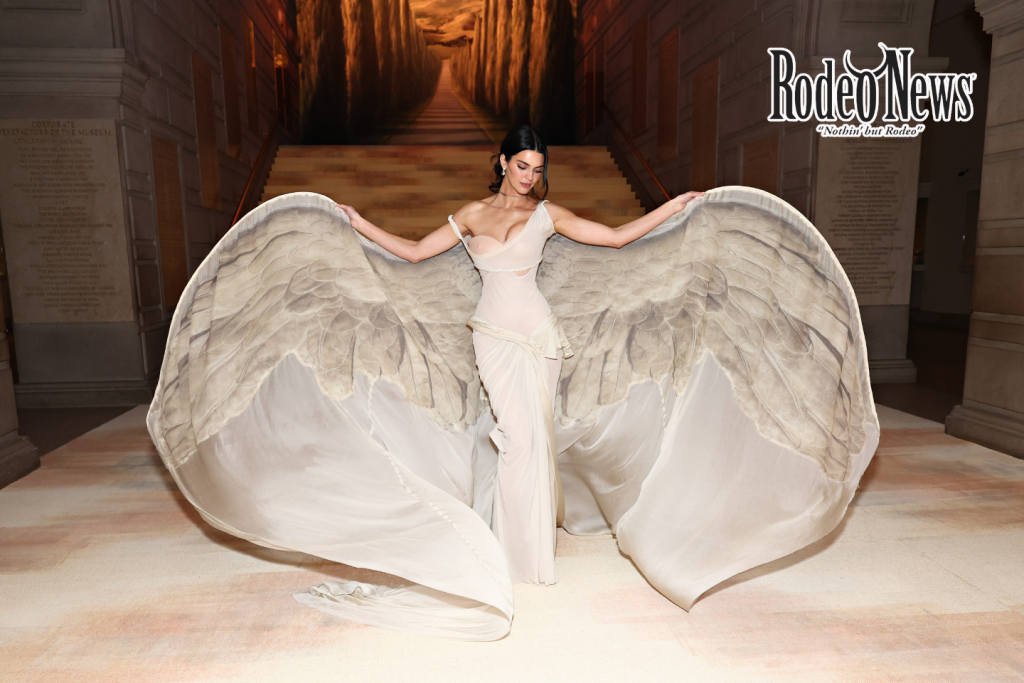
One of the strongest directions in the Met Gala 2026 art inspiration theme was rooted in classical antiquity. Several attendees drew from ancient Greek and Roman sculptures, particularly the iconic Winged Victory of Samothrace.
Flowing drapery, marble-like textures, and statuesque silhouettes dominated the carpet. These looks emphasized the human body as a canvas—perfectly aligned with the exhibition’s focus on the “dressed body.”
Meanwhile, Greco-Roman aesthetics symbolized timeless beauty, reminding audiences that fashion has always mirrored art history.
2. Gustav Klimt’s Golden Influence
Another standout in the Met Gala 2026 art inspiration lineup was the influence of Gustav Klimt. His signature gold-leaf aesthetic inspired shimmering gowns filled with intricate patterns and metallic textures.
Celebrities embraced Klimt’s opulent visual language, using embroidery, sequins, and layered fabrics to recreate his iconic works. The result was a series of luminous looks that felt both historical and futuristic.
This trend highlighted how fashion can reinterpret fine art while maintaining its emotional depth.
3. Impressionist Dreams on the Red Carpet
Soft, romantic designs inspired by Impressionism also played a major role in the Met Gala 2026 art inspiration theme. Works by Claude Monet influenced flowing gowns in pastel tones and delicate textures.
Designers recreated the dreamy brushstrokes of paintings like Water Lilies using layered fabrics and subtle color gradients. These outfits captured movement and light, turning wearers into walking canvases.
The result was a softer, more poetic interpretation of the theme—contrasting sharply with more dramatic looks.
4. Portrait Art Reimagined
Portraiture became a powerful reference point throughout the evening. One iconic example was the recurring inspiration from Portrait of Madame X.
Celebrities reinterpreted the famous fallen strap motif and dramatic silhouettes, transforming a once-controversial painting into a modern fashion statement.
These looks demonstrated how historical scandal can evolve into timeless elegance in contemporary fashion.
5. Surrealism Takes Center Stage
Surrealist art had a bold presence in the Met Gala 2026 art inspiration showcase. Designers drew from unconventional forms and dreamlike imagery inspired by artists like Hans Bellmer.
Outfits featured exaggerated proportions, doll-like structures, and unexpected materials. Some ensembles blurred the line between human anatomy and sculpture, reflecting surrealism’s fascination with distortion and identity.
These avant-garde looks were among the most talked-about of the night, pushing fashion into experimental territory.
6. Pointillism and Texture Innovation
The influence of pointillism, a technique popularized by Georges Seurat, appeared in several meticulously crafted outfits.
Designers recreated the dotted painting style through beadwork, sequins, and intricate stitching. From a distance, the garments appeared cohesive; up close, they revealed astonishing detail.
This approach showcased the technical mastery behind couture and reinforced the artistic craftsmanship central to the theme.
7. Modern Art and Self-Expression
Contemporary art also played a major role in shaping the Met Gala 2026 art inspiration narrative. Some attendees drew from modern painters like Amy Sherald, whose work explores identity and representation.
These outfits often carried deeper messages about culture, individuality, and social themes. Unlike classical references, modern art allowed for more personal interpretations.
As a result, the red carpet became not just a display of beauty—but a platform for storytelling.
8. The Rise of the “Artificial Body”
A defining trend of the night was the exploration of the “artificial body.” Many attendees wore sculptural designs that exaggerated or reshaped the human form.
From molded corsets to prosthetic enhancements, these looks reflected the exhibition’s focus on how fashion interacts with the body.
This direction challenged traditional beauty standards and blurred the line between clothing and sculpture.
9. Renaissance and Garden Aesthetics
Beyond the outfits themselves, the setting also contributed to the Met Gala 2026 art inspiration theme. The red carpet was designed to resemble a Renaissance-style garden pathway, immersing guests in an artistic environment.
Floral elements, soft lighting, and textured surfaces created a romantic atmosphere reminiscent of classical European art.
This immersive design elevated the entire event into a multi-sensory experience.
10. Fashion as Living Art
Ultimately, the most important takeaway from the Met Gala 2026 art inspiration theme is that fashion itself became art.
Each look served as a visual reference—whether to a painting, sculpture, or artistic movement. Together, they transformed the red carpet into a curated exhibition.
This aligns perfectly with the broader purpose of the Costume Institute, which explores the intersection of fashion, culture, and history.
Why the Theme Matters
The Met Gala 2026 art inspiration theme goes beyond aesthetics. It highlights how deeply connected fashion is to cultural expression.
Historically, clothing has always reflected artistic movements. From Renaissance tailoring to modern streetwear, fashion evolves alongside art.
This year’s Gala made that relationship explicit—reminding audiences that what we wear can carry meaning, history, and emotion.
Final Thoughts
The Met Gala 2026 art inspiration theme delivered one of the most visually compelling red carpets in recent history. By blending haute couture with fine art, it redefined what fashion can be.
From Klimt-inspired gold gowns to surrealist sculptures, each look told a unique story. More importantly, the event reinforced the idea that fashion is not just about style—it is a powerful form of artistic expression.
As the Met Gala continues to evolve, one thing remains clear: the line between fashion and art is no longer visible—it has completely disappeared.