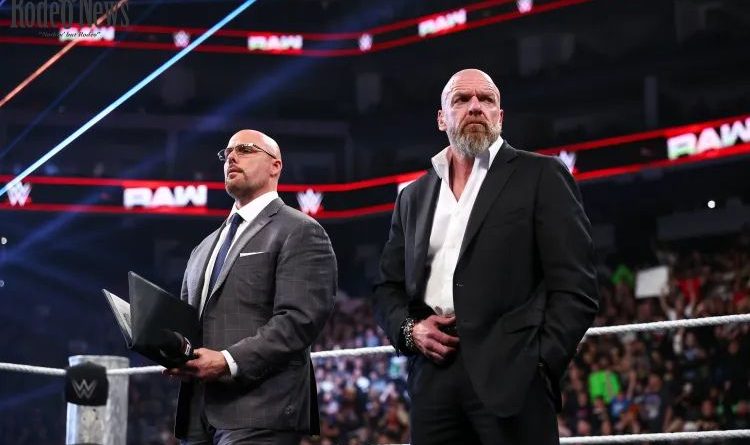
The WWE releases 2026 story has taken a dramatic turn following WrestleMania 42, with new reports shedding light on who truly controls the decision-making process behind roster cuts. While fans initially pointed fingers at corporate leadership under TKO Group Holdings, emerging details suggest a far more complex internal structure—one that places significant responsibility on Paul “Triple H” Levesque.
As speculation continues to swirl across the professional wrestling world, multiple insider reports and industry sources are offering conflicting narratives. However, one thing is clear: the aftermath of WrestleMania 42 has triggered one of the most talked-about roster shakeups in recent WWE history.
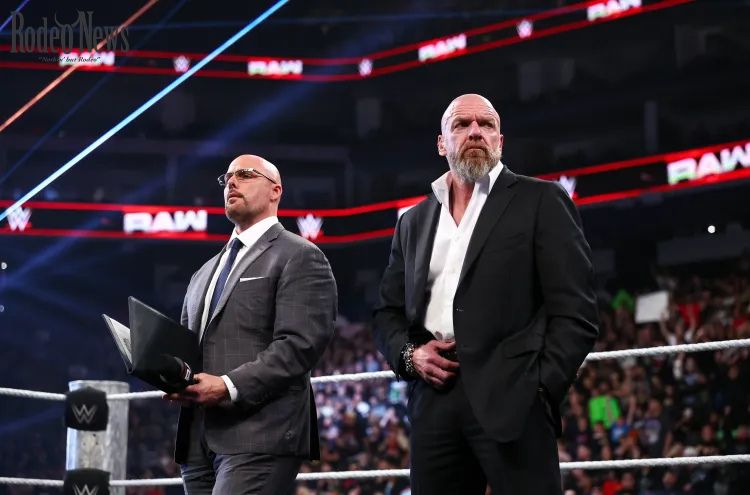
WWE Releases 2026 After WrestleMania 42
Every year, WWE traditionally evaluates its roster following WrestleMania, its biggest annual event. In 2026, however, the scale and timing of the releases have intensified scrutiny.
Reports indicate that numerous talents from both the main roster and developmental system were let go in a move seen as part of broader restructuring efforts.
These decisions are often tied to performance metrics, storyline direction, and long-term company strategy. However, the 2026 cuts stood out due to the number of notable names affected and the ongoing debate about who ultimately made the calls.
Meanwhile, fans across social media quickly began blaming TKO executives, including CEO Ari Emanuel, for the cuts. But new insights suggest that assumption may not be entirely accurate.
Triple H’s Role in WWE Releases 2026
According to industry journalist Dave Meltzer, Paul “Triple H” Levesque plays a central role in deciding which wrestlers are released.
Meltzer emphasized that higher-level executives are not directly choosing individual talent to cut. Instead, Triple H—who serves as WWE’s Chief Content Officer—has the final say on roster decisions.
This mirrors past eras of WWE management, where similar decisions were often attributed to Vince McMahon, even when others were involved behind the scenes.
In practical terms, this means Triple H is responsible for shaping the roster based on creative direction, talent development, and long-term storytelling needs.
TKO Group Holdings: Influence or Oversight?
Despite Triple H’s reported authority, TKO Group Holdings still plays a significant role in WWE’s overall business structure.
As the parent company, TKO oversees financial strategy, corporate operations, and long-term profitability goals. However, reports suggest that TKO does not directly dictate which wrestlers should be released.
Instead, their influence may come in the form of broader financial guidelines—such as budget constraints or internal targets—that WWE leadership must follow.
For example, there has been speculation about a potential “salary cap” system being implemented. Under such a system, executives like WWE President Nick Khan could establish financial limits, while Triple H ensures the roster stays within those parameters.
This layered structure highlights the difference between business oversight and creative control—two forces that often intersect in modern WWE operations.
Multiple Decision-Makers Behind the Scenes
While some reports point to Triple H as the primary decision-maker, others suggest a more collaborative approach.
Sources from Fightful Select claim that the WWE releases 2026 were decided collectively by Triple H, Nick Khan, and the talent relations department.
This version of events paints a picture of a multi-layered decision-making process involving:
- Creative leadership (Triple H)
- Executive management (Nick Khan)
- Talent relations teams
Such collaboration would ensure that releases align with both storytelling goals and business strategy.
It also reflects how WWE has evolved under TKO ownership, transitioning from a centralized decision-making model to a more corporate, committee-driven structure.
Why WWE Is Cutting Talent in 2026
One of the most widely discussed reasons behind the WWE releases 2026 is the need to create space for new talent.
According to reports, WWE is preparing for:
- New signings at the Performance Center
- NXT call-ups to the main roster
- Fresh storyline directions following WrestleMania
By trimming the roster, WWE can allocate resources more efficiently and introduce new stars to its global audience.
This strategy is not new. WWE has historically used post-WrestleMania periods to reset its roster and build momentum for the next creative cycle.
However, the scale of the 2026 releases suggests a more aggressive approach—possibly driven by TKO’s emphasis on profitability and streamlined operations.
Fan Reaction and Industry Backlash
The WWE releases 2026 have sparked strong reactions from fans and industry insiders alike.
Many fans criticized the company for releasing popular or underutilized talent, arguing that some wrestlers were never given a fair opportunity to succeed.
At the same time, others defended the decision as a necessary step in maintaining a competitive and dynamic roster.
Within the wrestling community, the debate has centered on accountability:
- Should Triple H be held responsible as the creative lead?
- Or should TKO bear the blame as the corporate owner?
The answer, as current reports suggest, may lie somewhere in between.
The Business of WWE in the TKO Era
Since becoming part of TKO Group Holdings, WWE has entered a new era of corporate governance.
The company is no longer just a wrestling promotion—it is part of a larger entertainment and sports conglomerate with global ambitions.
This shift has brought:
- Increased financial discipline
- Greater emphasis on profitability
- More structured decision-making processes
While these changes may strengthen WWE’s long-term business outlook, they also introduce challenges—particularly when it comes to balancing creative freedom with corporate expectations.
The WWE releases 2026 are a clear example of this tension in action.
What Happens Next?
Looking ahead, the impact of the WWE releases 2026 will likely be felt across the wrestling industry.
For WWE, the focus will shift to:
- Integrating new talent
- Building fresh storylines
- Maintaining audience engagement
For released wrestlers, new opportunities may emerge in promotions such as AEW, NJPW, or the independent circuit.
Meanwhile, fans will continue to watch closely as WWE navigates this transitional period under TKO ownership.
Conclusion: A Complex Reality Behind WWE Releases 2026
The WWE releases 2026 are not the result of a single decision-maker or a simple corporate directive. Instead, they reflect a complex interplay between creative leadership, executive oversight, and business strategy.
While Triple H appears to have significant influence over roster decisions, he operates within a framework shaped by TKO and WWE’s broader financial goals.
Ultimately, the situation highlights the evolving nature of WWE in 2026—a company balancing its identity as both a creative powerhouse and a global corporate entity.
As more details emerge, one thing remains certain: the conversation around WWE releases is far from over.