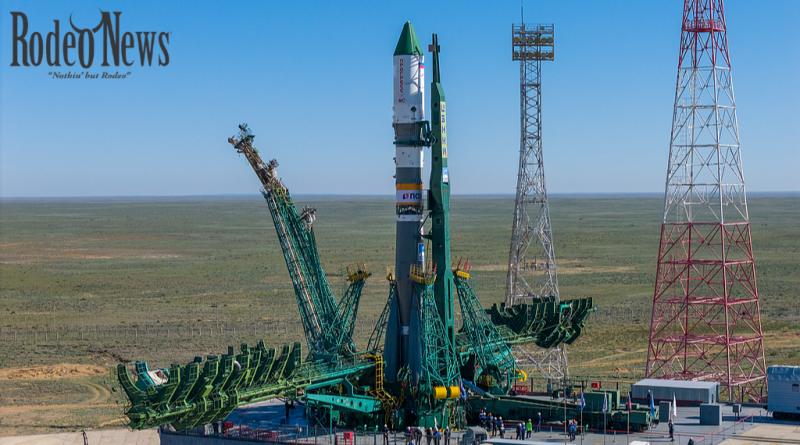
Progress MS-34 Launch Revealed: 2.5 Tons to ISS
The Progress MS-34 launch marks a significant milestone in ongoing efforts to sustain human life and scientific research aboard the International Space Station (ISS). Russia successfully launched the cargo spacecraft on April 26, 2026, delivering more than 2.5 tonnes of essential supplies into orbit. The mission highlights the continued importance of international space logistics and underscores the reliability of Russia’s long-standing Progress program.
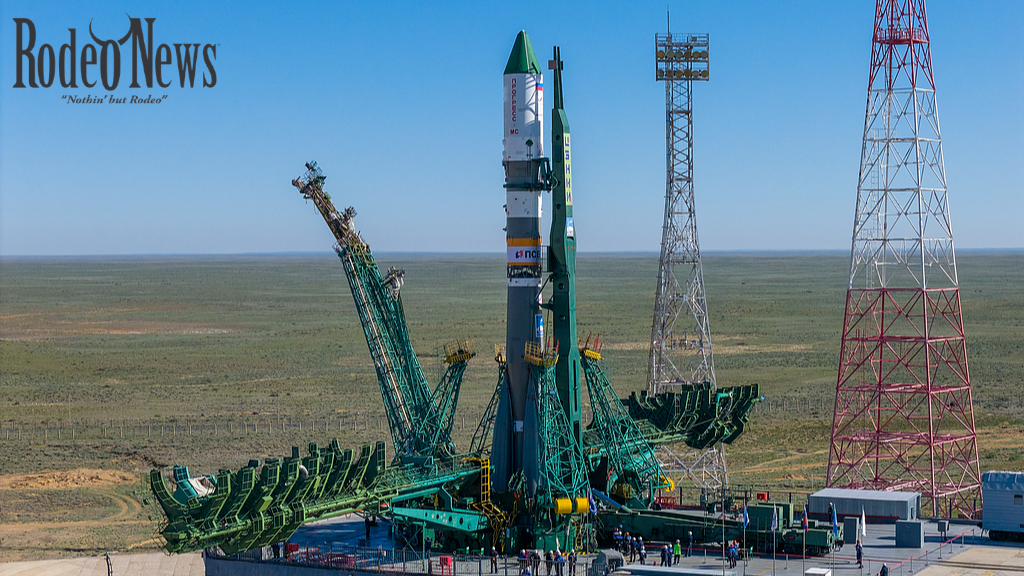
The spacecraft lifted off aboard a Soyuz-2.1a rocket from the Baikonur Cosmodrome in Kazakhstan, entering orbit shortly after launch.
A Critical ISS Resupply Mission
The Progress MS-34 launch is part of a long-running series of missions designed to keep the ISS operational. Cargo spacecraft like Progress play a vital role in transporting supplies that astronauts depend on daily.
This mission is carrying a wide range of materials, including:
- Fuel for station propulsion
- Drinking water and oxygen
- Food supplies for crew members
- Scientific equipment and research tools
- Maintenance and repair materials
In total, the spacecraft is delivering over 2.5 tonnes of cargo, ensuring that ISS operations continue smoothly.
Moreover, the mission includes specialized equipment such as spacesuits and scientific instruments, which will support ongoing experiments in microgravity.
Launch Details and Flight Path
The spacecraft launched at approximately 1:22 a.m. Moscow time and successfully separated from the rocket’s third stage, entering a designated orbit.
Following launch, the spacecraft began a carefully calculated journey toward the ISS. The trip is expected to take around 49.5 hours, after which it will dock with the Zvezda service module of the station.
This docking process is typically automated, relying on advanced navigation and rendezvous systems. However, manual override capabilities remain available if needed, ensuring mission safety.
The Role of Progress Spacecraft
The Progress MS-34 launch is part of a broader fleet of uncrewed cargo missions that support space stations. The Progress spacecraft has been a cornerstone of space logistics since its introduction during the Soviet era.
These spacecraft are specifically designed for:
- Transporting consumables like food and water
- Delivering fuel to maintain orbital altitude
- Carrying scientific equipment
- Removing waste from the ISS
Unlike some modern cargo vehicles, Progress spacecraft are not reusable. After completing their mission, they are typically filled with waste and deorbited, burning up in Earth’s atmosphere.
This approach ensures efficient disposal while maintaining the station’s cleanliness and operational efficiency.
Supporting Scientific Research in Space
One of the most important aspects of the Progress MS-34 launch is its contribution to scientific advancement. The ISS serves as a unique laboratory where experiments can be conducted in microgravity conditions.
This mission is delivering equipment for studies in areas such as:
- Human physiology and immune response
- Material science and biodegradation
- Water purification and sustainability
- Virtual and neurological research
These experiments have practical applications on Earth, including improvements in medicine, environmental science, and engineering technologies.
Strategic Importance of Baikonur Cosmodrome
The launch took place at the Baikonur Cosmodrome, one of the world’s oldest and most historically significant spaceports. Located in Kazakhstan, Baikonur has been a central hub for Russian space missions for decades.
Its infrastructure supports a wide range of missions, including:
- Crewed Soyuz flights
- Cargo resupply missions
- Satellite launches
The continued use of Baikonur highlights its enduring importance in global space exploration.
A Tight Schedule for ISS Resupply
The Progress MS-34 launch comes amid a busy schedule of ISS resupply missions. Maintaining a consistent supply chain is essential for the station’s long-term operations.
This mission follows closely after previous Progress flights, demonstrating a rapid turnaround designed to ensure uninterrupted support for the ISS crew.
Such scheduling is especially important given the complex logistics involved in space operations, where delays can have significant consequences.
International Collaboration in Space
Although the Progress spacecraft is operated by Russia’s Roscosmos, the ISS itself is a collaborative project involving multiple countries, including the United States, Europe, Japan, and Canada.
Cargo missions like the Progress MS-34 launch contribute to this international partnership by:
- Supporting multinational crews
- Delivering shared scientific equipment
- Maintaining station infrastructure
This cooperation demonstrates how space exploration continues to bring nations together despite geopolitical challenges.
Technology Behind the Soyuz-2.1a Rocket
The Soyuz-2.1a rocket used in the Progress MS-34 launch is a modernized version of the classic Soyuz launch vehicle. Known for its reliability, it has become a workhorse of the Russian space program.
Key features include:
- Enhanced navigation and control systems
- Improved payload capacity
- Proven launch reliability
These advancements ensure that missions like Progress MS-34 can be executed with high precision and safety.
Environmental and Operational Considerations
While space missions provide immense benefits, they also come with environmental considerations. The Progress spacecraft addresses some of these challenges by safely disposing of waste through controlled reentry.
This method ensures that debris does not accumulate in orbit, reducing the risk of space collisions. At the same time, it provides a practical solution for waste management aboard the ISS.
Looking Ahead: Future ISS Missions
The Progress MS-34 launch is part of an ongoing effort to maintain and expand human presence in space. Future missions will continue to build on this foundation, supporting new experiments and technologies.
Upcoming developments may include:
- Enhanced cargo spacecraft capabilities
- Increased international collaboration
- Preparations for deep-space missions
As space agencies look beyond low Earth orbit, missions like Progress MS-34 remain essential for sustaining current operations while paving the way for future exploration.
Conclusion
The Progress MS-34 launch represents another successful step in maintaining the International Space Station and advancing scientific research in space. By delivering over 2.5 tonnes of critical supplies, the mission ensures that astronauts can continue their work in one of the most challenging environments imaginable.
From its launch at Baikonur Cosmodrome to its planned docking with the ISS, the mission demonstrates the precision, coordination, and technological expertise required for modern space exploration.
As humanity continues to push the boundaries of what is possible, missions like Progress MS-34 serve as a reminder of the importance of collaboration, innovation, and resilience in the pursuit of knowledge beyond Earth.