iPad Naming Change Revealed: 3 Big Apple Clues
Apple may be preparing one of its most subtle yet impactful shifts in years — an iPad naming change that could redefine how users identify and understand its tablet lineup.
While hardware upgrades often dominate headlines, branding decisions shape how millions of customers perceive products. A recent report suggests Apple is quietly moving away from its long-standing naming conventions, and the implications could stretch far beyond the iPad itself.
A Long-Standing Naming Problem
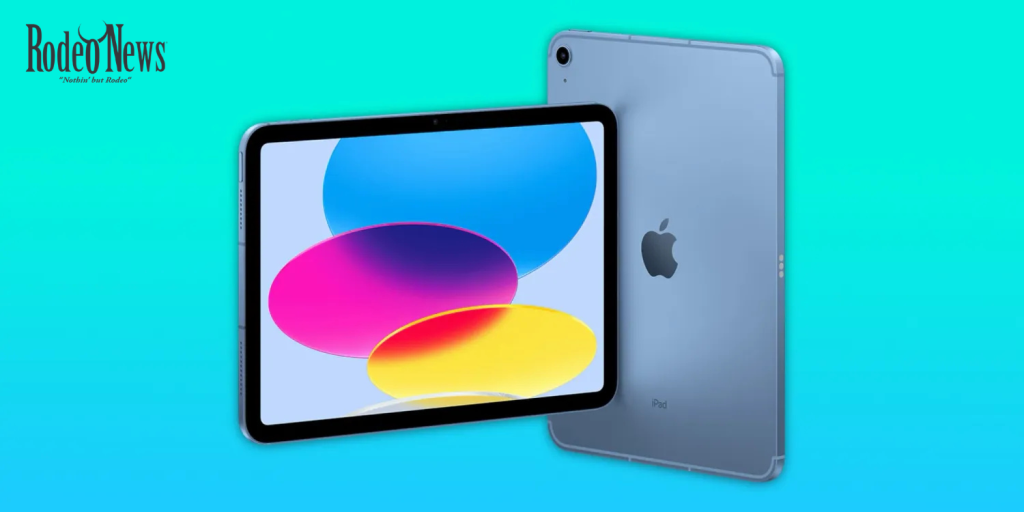
For years, Apple’s base iPad has struggled with a clear identity. Unlike premium models such as the iPad Pro or iPad Air, the standard iPad has often been labeled by generation numbers — for example, “10th-generation iPad.”
However, this approach has created confusion among consumers.
Generation numbers don’t clearly communicate performance, features, or relevance. For many buyers, especially casual users, it’s difficult to know whether a “10th-generation” model is significantly better than its predecessor without deeper research.
According to recent insights, Apple has already begun shifting away from this system.
The latest entry-level model dropped the generation naming entirely and instead adopted a chip-based label — signaling a potential turning point.
The Shift Toward Chip-Based Naming
One of the clearest signs of an iPad naming change is Apple’s move to emphasize internal hardware rather than generational order.
Instead of calling a device “iPad (11th generation),” Apple may prefer something like:
- iPad (A16)
- iPad (A18)
This approach highlights performance more directly. For example, users familiar with Apple chips can instantly recognize that an A18-powered iPad is newer and more powerful than an A16 model.
This mirrors how Apple already markets other products:
- Macs are often defined by M-series chips (M1, M2, M3, etc.)
- iPads Pro models highlight M-series performance
- Even iPhones subtly emphasize chip improvements in marketing
By shifting the base iPad to chip-based naming, Apple creates consistency across its ecosystem.
Why Apple Is Making This Move
There are three major reasons behind this potential rebrand.
1. Simplicity for Consumers
Apple has always prioritized simplicity. A chip-based naming system removes ambiguity and helps buyers make faster decisions.
Instead of comparing generations, users can simply compare chips.
For example:
- A16 vs A18 is easier to understand than 10th vs 11th generation
- Performance becomes the core identifier
This aligns with Apple’s broader design philosophy — reducing friction in user experience.
2. Alignment Across Product Lines
Apple has already started standardizing naming conventions across its platforms.
In fact, the company recently made a bold move by renaming its operating systems based on the year rather than sequential numbers.
That shift included:
- iOS 26
- iPadOS 26
- macOS 26
This change shows Apple is no longer tied to traditional numbering systems. Instead, it prefers naming that reflects clarity, timing, or capability.
The iPad naming change fits perfectly into this broader strategy.
3. Marketing Clarity and Performance Focus
Modern consumers care more about performance than generational labels.
By emphasizing chips, Apple can market devices based on:
- Speed
- AI capabilities
- Efficiency
- Future-proofing
For example, upcoming entry-level iPads are rumored to include newer chips like A18 or even A19, enabling advanced features such as Apple Intelligence.
A chip-based name instantly communicates these improvements.
A Bigger Strategy Beyond iPad
This potential change is not happening in isolation.
Apple appears to be experimenting with naming across multiple product categories.
Recent trends include:
- Software versions tied to years instead of numbers
- More creative naming ideas for future devices
- Less reliance on strict numerical progression
Even discussions around future iPhones suggest Apple may adopt more distinctive naming approaches to stand out in a crowded market.
In short, Apple is moving toward branding that is:
- More intuitive
- More flexible
- Less dependent on rigid numbering
What This Means for Future iPads
If Apple fully adopts this strategy, future iPads could look like this:
- iPad (A18)
- iPad (A19)
- iPad (A20)
Meanwhile, premium models would likely retain their existing names:
- iPad Air
- iPad Pro
This creates a clearer hierarchy:
- Base iPad → defined by chip
- Mid-range and premium → defined by product tier
Such a system simplifies the lineup without sacrificing differentiation.
Potential Challenges
Despite the benefits, the iPad naming change is not without risks.
Consumer Learning Curve
Longtime Apple users are привык to generation-based naming. A sudden shift may cause temporary confusion.
For example:
- Some users may not understand chip differences
- Others may struggle to compare older models
However, Apple has successfully navigated similar transitions before — such as the move from Intel to Apple Silicon.
Retail and Marketing Adjustments
Retailers and third-party sellers will need to adapt quickly.
Listings, comparisons, and product descriptions will need updates to reflect the new naming logic.
Still, Apple’s strong ecosystem and branding power make this transition manageable.
Industry Impact
If Apple fully commits to this approach, it could influence the broader tech industry.
Other manufacturers may follow suit by:
- Highlighting processors in product names
- Moving away from generational numbering
- Simplifying product branding
Apple has historically set trends in product design, marketing, and naming. This could be another example.
A Subtle but Powerful Change
At first glance, a naming tweak might seem minor. However, it reflects a deeper shift in how Apple communicates value.
The iPad naming change signals:
- A focus on clarity over tradition
- A move toward performance-driven branding
- A unified strategy across devices and software
For consumers, this could mean easier decisions and better understanding of what they’re buying.
For Apple, it represents another step in refining its ecosystem.
Conclusion
Apple’s potential shift away from generation-based iPad names marks a significant evolution in its branding strategy.
By focusing on chips instead of numbers, the company simplifies its lineup, aligns its products, and emphasizes performance in a way that resonates with modern users.
While the transition may take time, the direction is clear: Apple is redefining how its products are named — and the iPad may just be the beginning.