The Lebanon journalist killing has ignited global outrage after a deadly Israeli drone strike killed a reporter and injured another in southern Lebanon, raising serious allegations of war crimes and renewed concerns over journalist safety in conflict zones.
The incident occurred amid escalating violence between Israel and Hezbollah, part of a broader regional conflict that has already claimed thousands of lives. As details emerge, international organizations, governments, and media watchdogs are demanding accountability and independent investigations.
What Happened in the Deadly Strike?
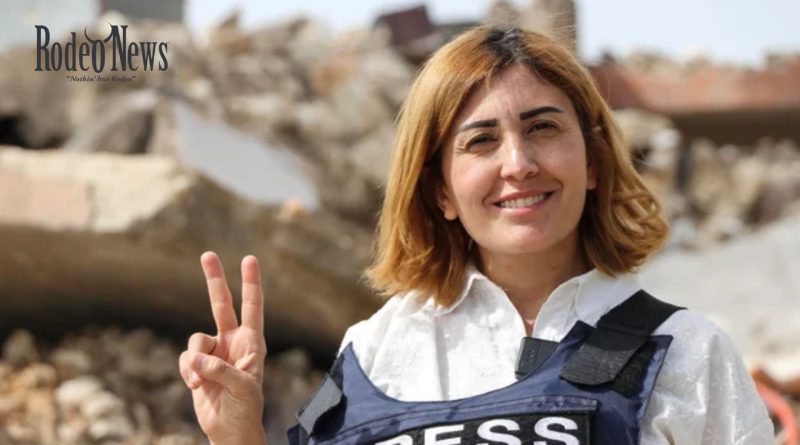
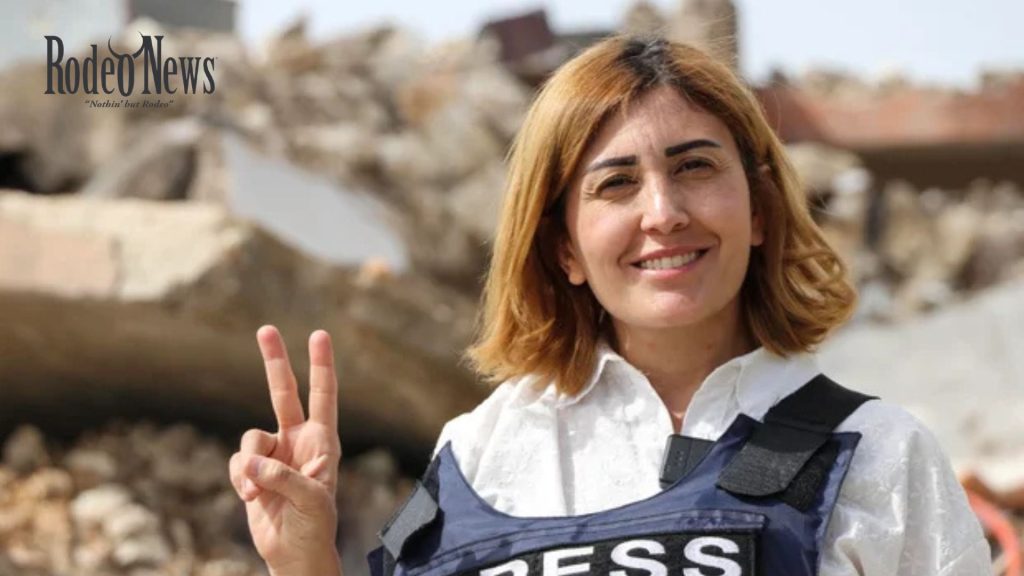
The Lebanon journalist killing involved Lebanese reporter Amal Khalil, who was killed during an Israeli airstrike while covering developments near the southern border.
Khalil and photographer Zeinab Faraj were reporting in the field when a drone strike hit a vehicle ahead of them. Seeking safety, they fled into a nearby house—only for that building to be struck again shortly afterward.
Faraj survived with serious injuries, while Khalil died before rescuers could reach her. According to reports, emergency teams faced delays due to ongoing strikes and security risks in the area.
Why It’s Being Called a War Crime
Lebanese officials and international observers have described the Lebanon journalist killing as a potential war crime.
Under international humanitarian law, journalists are considered civilians and must not be deliberately targeted during armed conflict. The circumstances of this incident have raised multiple red flags:
- A “double-tap” strike, where a second attack hits the same location
- The targeting of a building where civilians had taken shelter
- Allegations that rescue efforts were obstructed
Lebanon’s government has formally accused Israel of deliberately targeting media workers, a claim that Israel denies.
Human rights organizations, including press freedom groups, have called for an independent international investigation into the incident.
Israel’s Response to the Allegations
Israel has rejected claims that the strike intentionally targeted journalists.
The Israeli military stated that the attack was aimed at vehicles suspected of being linked to Hezbollah operations. According to officials, the area was considered an active combat zone, and the strike was part of broader military operations against militant threats.
However, critics argue that even if militants were present, international law requires clear distinction between military targets and civilians.
The lack of publicly released evidence has further fueled skepticism and intensified calls for transparency.
A Pattern of Journalist Deaths
The Lebanon journalist killing is not an isolated incident.
Khalil was reportedly the ninth journalist killed in Lebanon since the conflict escalated in March 2026.
Media watchdogs warn that journalists are increasingly at risk in modern warfare, especially in conflicts involving urban combat and drone strikes.
Some analysts suggest that repeated incidents involving journalists could indicate either systemic failures in targeting procedures—or, more controversially, deliberate suppression of media coverage.
The Broader Conflict Driving the Violence
The killing comes amid a rapidly intensifying war between Israel and Hezbollah, which reignited in early March 2026.
Since then:
- Nearly 2,500 people have been killed in Lebanon
- Entire communities have been displaced
- Civilian infrastructure has suffered widespread damage
Israel has maintained a buffer zone in southern Lebanon, while Hezbollah continues rocket and drone attacks into Israeli territory.
Despite a temporary ceasefire extension, fighting has continued, raising fears of a prolonged and more destructive conflict.
Global Reaction and Condemnation
The Lebanon journalist killing has drawn strong international reactions.
Organizations such as the Committee to Protect Journalists and Reporters Without Borders have condemned the strike, emphasizing that journalists must be protected under international law.
Governments and international bodies are now facing increasing pressure to:
- Launch independent investigations
- Ensure accountability for violations
- Strengthen protections for journalists in war zones
The United Nations has also expressed concern over potential violations of humanitarian law by both sides in the conflict.
The Danger of “Double-Tap” Strikes
One of the most controversial aspects of the Lebanon journalist killing is the alleged use of a “double-tap” strike.
This tactic involves hitting a target and then striking again shortly after, often when rescuers or civilians return to the scene. Critics argue that such tactics can increase civilian casualties and may violate international law.
Similar strikes have been reported in other parts of the conflict, raising broader concerns about military strategy and civilian safety.
Press Freedom Under Threat
The killing highlights a growing crisis for press freedom in conflict zones.
Journalists play a crucial role in documenting war, exposing human rights abuses, and informing the global public. When they become targets—or are perceived to be at risk—it can lead to:
- Reduced coverage from the ground
- Increased misinformation
- Less accountability for military actions
The Lebanon journalist killing underscores how dangerous reporting has become in modern warfare.
What Happens Next?
The aftermath of the Lebanon journalist killing is likely to unfold on several fronts:
- International investigations into the strike
- Diplomatic tensions between Lebanon and Israel
- Continued scrutiny from human rights organizations
- Possible legal action in international courts
Meanwhile, the conflict itself shows no clear signs of ending, with both sides continuing military operations despite ceasefire efforts.
Conclusion
The death of Amal Khalil is more than a tragic loss—it has become a flashpoint in the broader debate over war crimes, press freedom, and accountability in modern warfare.
While Israel denies wrongdoing, the growing number of journalist casualties and the circumstances surrounding this strike have intensified global concern.
As investigations begin and pressure mounts, the world will be watching closely to see whether justice is pursued—or whether the Lebanon journalist killing becomes another unresolved chapter in a deeply complex and ongoing conflict.