Zendaya Drama Warning: 5 Shocking Sandy Hook Lessons
The Zendaya Drama warning has ignited a powerful and emotional conversation following the release of the controversial film The Drama. A parent who lost a child in the Sandy Hook Elementary School shooting has spoken out, saying the film highlights critical warning signs society continues to overlook before acts of mass violence.
The discussion goes far beyond cinema. Instead, it touches on real-life tragedy, prevention, and the uncomfortable reality that many warning signals are often visible—yet ignored—until it is too late.
A Film That Triggered a Real-World Reflection
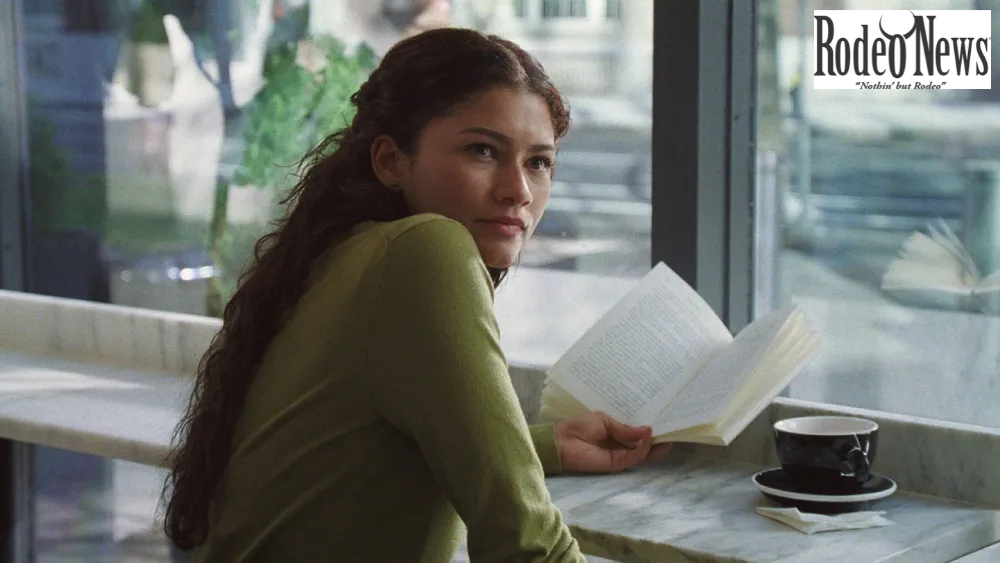
The Drama, starring Zendaya and Robert Pattinson, was initially marketed as a romantic story. However, the film shocked audiences with a dark twist: Zendaya’s character reveals she once planned a school shooting during her youth.
This revelation has sparked widespread backlash and emotional responses, especially among survivors and families affected by real-life tragedies. Critics argue that the film’s tone and marketing did not adequately prepare audiences for such a sensitive subject.
However, for at least one Sandy Hook parent, the film serves a different purpose. It acts as a stark reminder of the warning signs that often precede acts of violence—signals that are frequently dismissed or misunderstood.
The Warning Signs We Keep Missing
According to the grieving parent featured in the report, the focus should not only be on the act of violence itself but on what happens before it.
“My mind doesn’t go first to the plot… it goes to the before,” the parent emphasized, highlighting missed opportunities for intervention.
This perspective reframes the entire conversation. Instead of debating whether films like The Drama should exist, it shifts attention to a more urgent question: why are early warning signs so often ignored?
Experts and advocates have long pointed to patterns in behavior that may signal distress or potential danger. These include:
- Social withdrawal
- Expressions of anger or hopelessness
- Obsession with violence
- Sudden behavioral changes
While not all individuals exhibiting these traits pose a threat, the consistent failure to recognize and address them remains a recurring issue in many tragedies.
The Controversy Surrounding the Film
The Zendaya Drama warning also comes amid intense criticism of the film itself. Advocacy groups and survivors have argued that The Drama mishandles a deeply sensitive topic.
The film’s central twist—revealing a character who once planned a school shooting—has been described as shocking, triggering, and potentially harmful when presented without sufficient context.
Some critics believe the marketing strategy, which emphasized romance while concealing the darker themes, contributed to the backlash. Others argue that the film raises valid questions about human behavior, accountability, and redemption.
This divide highlights a broader tension in storytelling: balancing artistic freedom with social responsibility.
Survivors and Advocates Speak Out
Voices from the community of survivors have added depth to the conversation. Advocacy groups such as March for Our Lives have expressed concern about how the film portrays violence and its potential impact on audiences.
Survivors and experts warn that using school shootings as a narrative twist risks trivializing real trauma. At the same time, some acknowledge that storytelling can play a role in raising awareness—if handled responsibly.
One key concern is that audiences may focus on the shock value rather than the underlying message, thereby missing the opportunity for meaningful reflection.
The Power and Responsibility of Media
Films have long been a powerful medium for exploring difficult topics. From war dramas to psychological thrillers, storytelling often mirrors real-world issues.
In the case of The Drama, the Zendaya Drama warning underscores the importance of how such stories are told. When dealing with subjects like school shootings, the stakes are particularly high.
Media can:
- Raise awareness about warning signs
- Encourage conversations about prevention
- Provide insight into human psychology
However, it can also:
- Trigger survivors
- Spread misinformation
- Oversimplify complex issues
The challenge lies in striking the right balance.
A Deeper Look at Prevention
The Sandy Hook parent’s perspective shifts the focus toward prevention—arguably the most critical aspect of the conversation.
Rather than asking whether controversial films should be made, the discussion turns to what can be done to prevent future tragedies.
Key strategies include:
Early Intervention
Recognizing warning signs early and taking them seriously can make a significant difference. Schools, families, and communities all play a role in identifying and addressing concerning behavior.
Mental Health Support
Access to mental health resources is essential. Many individuals who commit acts of violence have underlying psychological struggles that go untreated.
Community Awareness
Educating the public about warning signs and encouraging open dialogue can help reduce stigma and promote intervention.
Responsible Media Representation
Filmmakers and content creators have a responsibility to handle sensitive topics with care, ensuring that their work contributes to understanding rather than harm.
Zendaya’s Role and Public Influence
As one of the most influential actors of her generation, Zendaya’s involvement in The Drama has amplified the conversation.
Known for her award-winning performance in Euphoria and major film roles, she commands a significant global audience. This influence brings both opportunity and responsibility.
Some critics argue that her participation in such a controversial project increases its impact—both positive and negative. Others believe that her involvement can help bring important issues into mainstream discussion.
Either way, the Zendaya Drama warning has ensured that the conversation extends far beyond the film itself.
Why This Conversation Matters
The significance of this debate cannot be overstated. School shootings remain a pressing issue, particularly in the United States, where such incidents have become disturbingly frequent.
By highlighting missed warning signs, the Sandy Hook parent’s perspective adds urgency to the discussion. It serves as a reminder that prevention is possible—but only if society is willing to act.
The film may be controversial, but it has succeeded in one crucial aspect: sparking conversation.
A Turning Point or Another Missed Opportunity?
The question now is whether this moment will lead to meaningful change or become another missed opportunity.
History suggests that conversations about gun violence often follow a familiar pattern: outrage, debate, and eventual fading from public attention.
However, the Zendaya Drama warning offers a chance to break that cycle. By focusing on prevention and early intervention, it provides a pathway toward real progress.
Final Thoughts
The reaction to The Drama reveals the complexity of addressing sensitive topics through art. While the film has faced criticism, it has also opened the door to important discussions about warning signs, prevention, and responsibility.
The voice of a Sandy Hook parent adds a powerful and deeply personal dimension to this conversation. It shifts the focus from controversy to awareness—and from storytelling to real-life consequences.
Ultimately, the Zendaya Drama warning is not just about a movie. It is about recognizing the signs we often overlook and taking action before tragedy strikes again.