ChatGPT Image Engine Revealed: 7 Powerful Upgrades
The ChatGPT image engine is entering a new era, marking a major leap forward in how artificial intelligence generates visuals. OpenAI’s latest upgrade—often referred to as “Images 2.0”—introduces not just better image quality, but something far more significant: reasoning.
Early hands-on testing shows that this new system goes beyond simple image creation. Instead, it processes instructions, analyzes structure, and produces visuals that are closer to professional-grade design work.
This shift signals a broader transformation in AI—from tools that generate content to systems that actually “think” through creative tasks.
A New Generation of AI Image Creation
For years, AI image generators struggled with consistency and accuracy. Text within images often appeared distorted, layouts lacked structure, and complex instructions led to unpredictable results.
The new ChatGPT image engine aims to fix those problems.
OpenAI has introduced a system that incorporates a “thinking mode,” allowing the AI to process instructions step by step before generating an image.
This approach mirrors how advanced language models operate—breaking down tasks before producing output.
As a result, the images are not only visually improved but also more logically constructed.
1. Built-In Reasoning Changes Everything
The most important upgrade is reasoning.
Instead of instantly generating an image from a prompt, the AI now evaluates what the user is asking. It can interpret structure, context, and intent before creating visuals.
This means:
- Infographics are more organized
- Posters follow real design principles
- Layouts appear intentional rather than random
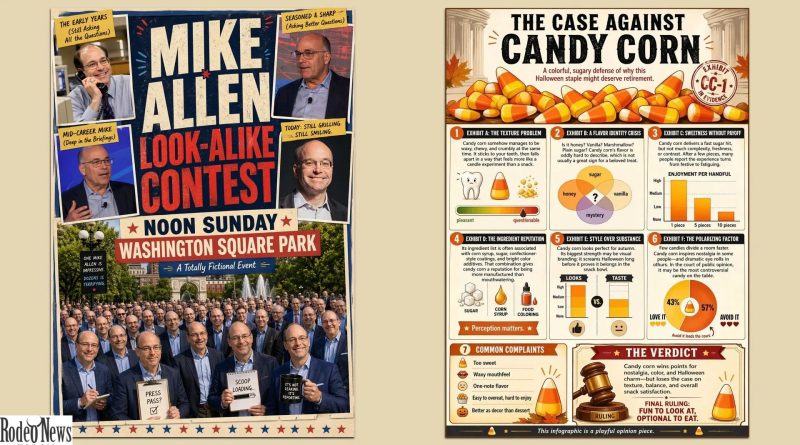
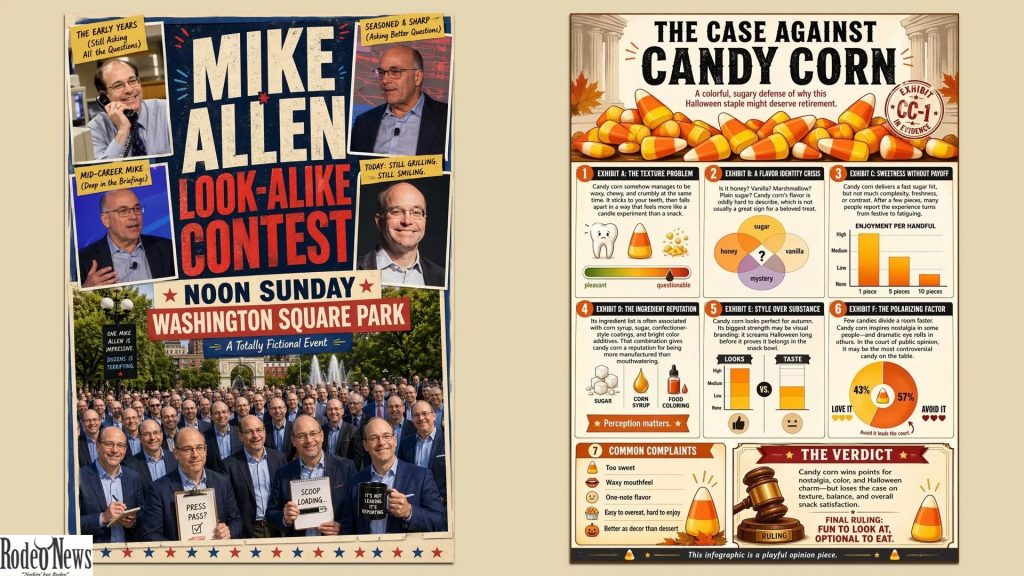
In testing, the system successfully created structured visual content like diagrams and editorial-style graphics—something previous models struggled to do.
2. Dramatically Improved Text Rendering
One of the biggest weaknesses in older AI image tools was text.
Words appeared garbled, misspelled, or completely unreadable. That limitation made AI-generated images unusable for professional purposes like marketing or publishing.
Now, the ChatGPT image engine delivers:
- Clear typography
- Accurate spelling
- Better formatting of headlines and captions
This improvement opens the door to real-world applications such as:
- Social media graphics
- Advertisements
- UI/UX mockups
According to reports, the new system is significantly better at rendering small text and interface elements—areas where previous models failed.
3. Multi-Image Consistency From One Prompt
Another breakthrough is consistency.
Users can now generate multiple images from a single prompt while maintaining the same style, characters, or layout.
This is especially useful for:
- Comic strips or manga
- Branding campaigns
- Product mockups
The system can produce up to several related visuals in one go, making it far more practical for creative workflows.
4. Support for Complex and Professional Designs
The new engine is not just for fun images—it is built for serious work.
It can now handle:
- Infographics
- Editorial layouts
- Posters
- Marketing materials
During early demonstrations, the AI created polished visuals such as advertisements and magazine-style graphics.
This positions the tool as a competitor to traditional design software, especially for rapid prototyping and content creation.
5. Internet Awareness and Contextual Accuracy
One of the more advanced features is the ability to incorporate information from the web.
This allows the ChatGPT image engine to:
- Use current context
- Generate more relevant visuals
- Improve factual accuracy
However, the feature is not perfect.
In one test, the system generated a newspaper-style image using outdated headlines instead of real-time information.
This highlights both the potential and the current limitations of AI-driven context awareness.
6. Flexible Formats and Higher Resolution
The updated engine supports a wider range of formats and aspect ratios.
Users can now create images for:
- Social media (square, vertical)
- Banners (wide formats)
- Print layouts
Additionally, the system supports higher-resolution outputs, making the images suitable for professional use.
This flexibility is crucial for designers and marketers who need assets tailored to different platforms.
7. Multilingual and Global Capabilities
The ChatGPT image engine also expands its global reach.
It supports multiple languages, allowing users to generate images with text in:
- Asian languages
- European scripts
- Mixed-language formats
This makes the tool valuable for international businesses and creators.
However, performance can still vary depending on the language, with some inconsistencies reported in non-English outputs.
Where It Still Falls Short
Despite its impressive upgrades, the system is not perfect.
Some limitations remain:
- Occasional inaccuracies in real-time information
- Inconsistent performance in certain languages
- Slower generation when using advanced reasoning
Additionally, the rise of hyper-realistic AI images raises ethical concerns.
Experts warn that highly convincing fake images could blur the line between reality and fiction, increasing risks around misinformation and digital trust.
Why This Matters for the Future
The evolution of the ChatGPT image engine reflects a larger trend in artificial intelligence.
AI is no longer just generating content—it is beginning to understand it.
This shift has major implications:
- Designers may rely more on AI for rapid creation
- Businesses can produce marketing assets faster
- Content creation becomes more accessible
At the same time, it raises important questions about authenticity, copyright, and creative ownership.
The Bigger Picture: AI as a Creative Partner
What makes this update significant is not just better images—it’s the concept of AI as a creative collaborator.
Instead of replacing designers, tools like this may:
- Assist with brainstorming
- Speed up workflows
- Enhance creativity
In many ways, the ChatGPT image engine acts as a “visual assistant,” helping users turn ideas into polished visuals with minimal effort.
Conclusion
The latest upgrade to the ChatGPT image engine represents a turning point in AI-powered creativity.
With features like reasoning, improved text rendering, and multi-image consistency, the system is moving closer to professional-grade design capabilities.
While challenges remain, the direction is clear: AI is becoming smarter, more useful, and increasingly integrated into creative work.
For businesses, creators, and everyday users, this is not just an upgrade—it’s a glimpse into the future of digital content creation.