Hulk Hogan Fentanyl Use Shocking Truth Revealed
The story of Hulk Hogan fentanyl use has resurfaced with shocking new details, offering a deeper look into one of the darkest chapters in the wrestling legend’s life. Known globally as one of the most iconic figures in professional wrestling, Hogan’s life behind the spotlight tells a far more complex and troubling story.
Recent revelations from a documentary filmed before his death in 2025 shed light on the extreme levels of fentanyl he claims to have used daily following his highly publicized divorce. The disclosures paint a picture of physical agony, emotional distress, and a dangerous dependence on powerful pain medication.
A Career Built on Pain and Performance
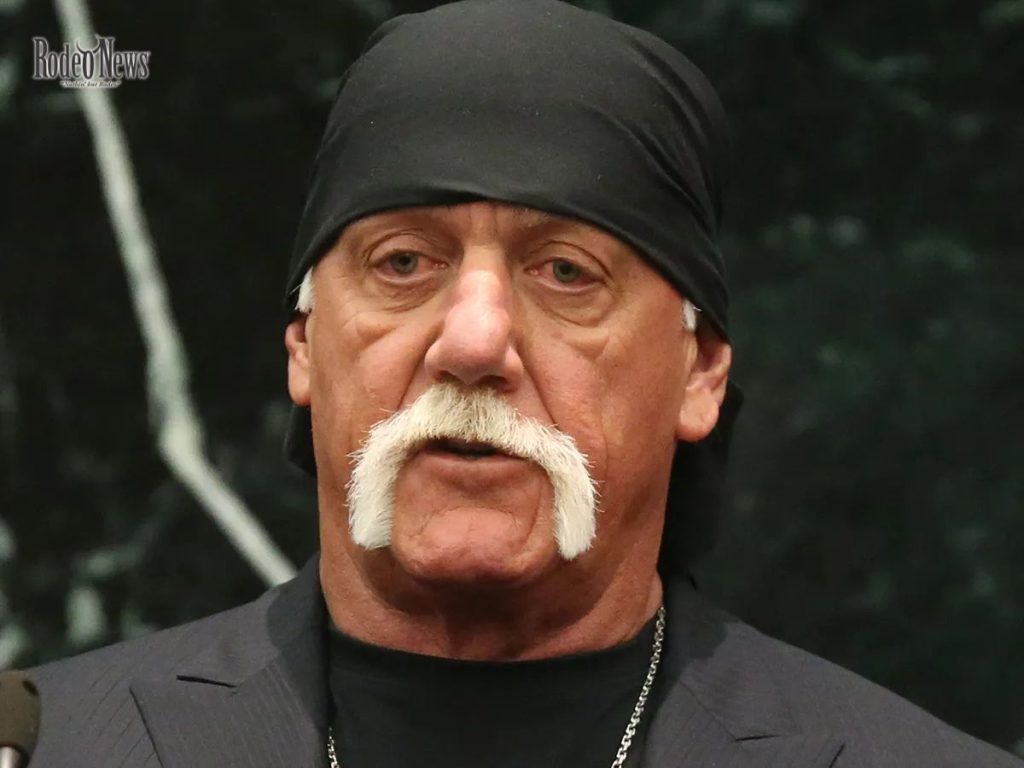
For decades, Hulk Hogan defined professional wrestling. His larger-than-life persona, unmatched charisma, and physical dominance made him a global superstar. However, behind the fame was a body that endured relentless punishment.
Years of wrestling led to multiple surgeries, chronic injuries, and long-term physical deterioration. Like many professional athletes, Hogan relied heavily on pain management treatments to continue performing.
However, what began as medical necessity reportedly escalated into something far more dangerous.
The Breaking Point: Divorce and Emotional Collapse
The turning point in the Hulk Hogan fentanyl use story came around 2009, shortly after his divorce. This period marked a significant emotional and financial downturn in his life.
According to his own account, Hogan faced:
- Severe depression
- Financial pressure
- Career uncertainty
- Physical pain from accumulated injuries
These factors combined created what he described as one of the lowest points of his life.
Meanwhile, he continued working in wrestling, pushing his already fragile body even further.
“Lethal Amounts” of Fentanyl
One of the most alarming aspects of the story is Hogan’s claim about the sheer quantity of fentanyl he consumed.
Fentanyl is an extremely potent opioid, typically prescribed in controlled doses for severe pain, such as cancer-related conditions. Even small amounts can be life-threatening if misused.
Hogan stated that he was using:
- High-dose fentanyl tablets
- Multiple fentanyl patches
- Fentanyl lozenges (often called “lollipops”)
He described his daily intake as so extreme that a pharmacist allegedly told him he “should be dead” given the dosage levels.
While these claims are based on personal recollection rather than verified medical data, they highlight the severity of his situation.
Understanding Fentanyl and Its Risks
The Hulk Hogan fentanyl use story also brings attention to the broader dangers of opioid medications.
Fentanyl is known for being:
- 50 to 100 times stronger than morphine
- Highly addictive
- Extremely dangerous when misused
Even patients with legitimate prescriptions can develop dependence over time, especially when dealing with chronic pain.
Therefore, Hogan’s experience reflects a larger issue affecting athletes and individuals dealing with long-term injuries.
Chronic Pain and Athlete Dependency
Professional wrestlers, much like football players or fighters, often suffer from chronic pain long after their careers peak.
In many cases, pain management becomes a daily necessity. However, this can lead to:
- Increased tolerance to medication
- Escalation in dosage
- Risk of addiction or dependency
Hogan’s situation appears to follow this pattern, where medical treatment gradually turned into excessive use.
Mental Health and Substance Use
Another critical element in the Hulk Hogan fentanyl use story is mental health.
Depression, stress, and emotional trauma can significantly increase the likelihood of substance misuse. In Hogan’s case, his divorce and career challenges created a perfect storm.
Experts often note that:
- Emotional distress can intensify physical pain
- Substance use may become a coping mechanism
- Isolation can worsen dependency
Therefore, Hogan’s experience highlights the strong connection between mental health struggles and substance use.
A Story of Survival
Despite the extreme nature of his claims, Hogan ultimately survived this dangerous period.
He later spoke about:
- Reducing his reliance on opioids
- Focusing on recovery
- Attempting to rebuild his life
This aspect of the story adds an important dimension. It is not only about excess and danger but also about resilience and the possibility of recovery.
Public Reaction and Media Coverage
The resurfacing of the Hulk Hogan fentanyl use story has sparked widespread discussion online and in media outlets.
Some reactions include:
- Shock at the reported dosage levels
- Sympathy for his physical and emotional struggles
- Debate over opioid use in professional sports
Meanwhile, others have questioned the accuracy of his claims, noting that such high levels of fentanyl would typically be fatal.
Nevertheless, the story continues to draw attention due to Hogan’s global recognition and the seriousness of the topic.
The Larger Opioid Crisis Context
Hogan’s experience is not an isolated case. It reflects a broader global issue surrounding opioid use and dependency.
In recent years, fentanyl has been at the center of a growing crisis due to:
- Overprescription in some regions
- Illegal distribution
- High overdose rates
Stories like Hogan’s help bring awareness to the risks associated with powerful pain medications.
Lessons from Hulk Hogan’s Experience
The Hulk Hogan fentanyl use revelations offer several important takeaways:
1. Chronic Pain Requires Careful Management
Long-term injuries need balanced treatment approaches that minimize dependency risks.
2. Mental Health Matters
Emotional struggles can significantly impact physical health and substance use behaviors.
3. Opioids Carry Serious Risks
Even medically prescribed opioids can become dangerous without strict oversight.
4. Recovery Is Possible
Despite extreme circumstances, individuals can regain control and improve their lives.
Conclusion
The story of Hulk Hogan fentanyl use is both shocking and deeply human. It reveals the hidden struggles behind fame, the toll of physical pain, and the dangers of powerful medications.
While some details remain based on personal accounts, the overall narrative serves as a powerful reminder of the challenges faced by athletes and individuals dealing with chronic pain.
Ultimately, it is a story of vulnerability, survival, and the complex realities that exist beyond the spotlight.