Cancer Cluster NJ Shock: 41 Cases Spark Outrage
A growing health crisis in New Jersey is triggering outrage among residents after a bombshell report highlighted a possible cancer cluster NJ situation in the small borough of Keyport. With dozens of cancer cases mapped within a tight geographic area, locals are now demanding urgent answers and stronger action from state authorities.
The unfolding controversy has intensified tensions between the community and regulators, raising serious concerns about environmental safety, public health oversight, and government accountability.
A Disturbing Pattern Emerges
The alarm was first raised by residents who began noticing an unusually high number of cancer diagnoses in their neighborhood. What started as anecdotal concern quickly turned into something far more troubling.
One local family compiled a map documenting cancer cases across Keyport. The findings were stark: 41 confirmed cases, including 21 concentrated around a single street. The cases span multiple cancer types, including lung, prostate, colon, brain, and ovarian cancers.
Public health experts reviewing the data described the numbers as highly unusual and worthy of immediate investigation. While not yet officially classified as a cancer cluster, the pattern has raised serious red flags.
The Suspected Source: A Toxic Legacy Site
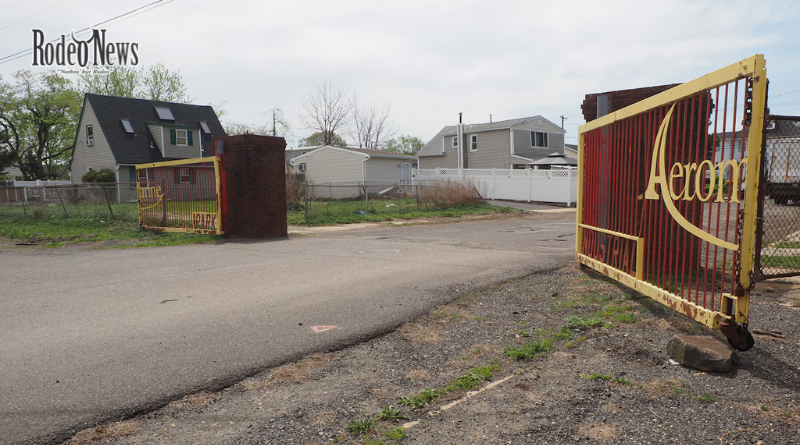
Attention has increasingly focused on a nearby industrial site known as Aeromarine Industrial Park. Once used for aircraft manufacturing and later converted into a landfill, the area has a long history of environmental concerns.
A previous environmental study identified several hazardous substances at the site, including:
- Benzene
- Vinyl chloride
- Arsenic
- Polychlorinated biphenyls (PCBs)
These chemicals are widely recognized as carcinogens and have been linked to various forms of cancer.
Experts believe the contamination may have been leaking into the surrounding environment for decades, potentially exposing nearby residents through air, soil, and groundwater.
Residents Demand Accountability
Frustration among residents has reached a boiling point. Many believe the state has failed to act decisively despite years of warnings and mounting evidence.
Community members argue that authorities have been too slow to investigate the potential health risks. Some have accused officials of downplaying the severity of the situation.
The issue escalated further after reports revealed that the landfill’s owners had been fined hundreds of thousands of dollars for violations—penalties that reportedly remain unpaid.
For residents, this has only deepened distrust.
“We need action, not delays,” said one concerned local, echoing a sentiment shared widely across the community.
Experts Call for Urgent Investigation
Health and environmental experts are urging immediate and comprehensive action. While proving a direct causal link between environmental exposure and cancer cases can be complex, specialists agree that the situation warrants serious attention.
A formal cancer cluster investigation typically involves:
- Epidemiological studies
- Environmental sampling
- Long-term health monitoring
Experts emphasize that waiting for official classification before taking action could put more lives at risk.
One epidemiologist noted that even without definitive proof, the presence of multiple carcinogens near a residential area is enough to justify intervention.
What Defines a Cancer Cluster?
A cancer cluster is defined as a higher-than-expected number of cancer cases occurring within a specific group of people, geographic area, or time period.
According to health authorities, identifying a cluster involves comparing observed cases with statistical expectations. However, this process can be lengthy and complex, often delaying response efforts.
The United States has documented hundreds of suspected clusters, but only a small percentage are officially confirmed.
In Keyport’s case, residents argue that waiting for official designation is a luxury they cannot afford.
Environmental Risks and Long-Term Exposure
Environmental contamination is a known risk factor for cancer, particularly when exposure occurs over long periods.
Toxic substances like benzene and vinyl chloride can enter the human body through:
- Breathing contaminated air
- Drinking polluted water
- Direct contact with soil
Long-term exposure increases the likelihood of developing serious health conditions, including cancer.
In industrial legacy sites like the one in Keyport, contamination can persist for decades, especially if cleanup efforts are incomplete or poorly managed.
State Response Under Fire
The New Jersey Department of Environmental Protection (DEP) has acknowledged concerns about the site and stated that discussions are underway بشأن next steps.
However, critics argue that this response falls short of what is needed. Residents are calling for:
- Immediate environmental testing
- Public disclosure of findings
- Medical support for affected families
- Full remediation of the contaminated site
The perceived lack of urgency has fueled public anger, with some accusing officials of prioritizing bureaucracy over public health.
A Broader Pattern in New Jersey
New Jersey has a long and complicated history with environmental contamination and suspected cancer clusters.
Past investigations in other parts of the state have linked industrial pollution to elevated cancer rates, reinforcing concerns that the Keyport situation may not be an isolated case.
Environmental experts note that older industrial regions often carry hidden risks due to decades of less-regulated waste disposal practices.
The Human Impact Behind the Numbers
Beyond statistics and reports, the crisis has deeply affected families in the community.
Residents describe a neighborhood where cancer diagnoses have become alarmingly common. Stories of illness, treatment, and loss are shared across households, creating a sense of fear and uncertainty.
For many, the issue is not just about data—it is about protecting future generations.
Parents worry about raising children in an environment that may be unsafe, while long-time residents question whether their health problems could have been prevented.
What Happens Next?
The coming months will be critical in determining how the situation unfolds.
Key developments to watch include:
- Potential launch of a formal cancer cluster study
- Expanded environmental testing around the site
- Legal action against responsible parties
- Increased federal involvement
Public pressure is likely to play a major role in shaping the response.
Conclusion: A Community Demands Answers
The cancer cluster NJ controversy in Keyport has become a powerful example of how environmental concerns can escalate into a full-blown public health crisis.
With 41 cases already identified and fears continuing to grow, residents are no longer willing to wait.
They are demanding transparency, accountability, and action—before more lives are impacted.
As investigations continue, one thing is clear: this story is far from over.