Framework Laptop 16 Upgrades Revealed: A More Refined Vision
The Framework Laptop 16 upgrades mark a turning point for one of the most ambitious modular laptops ever created. When the device first launched, it impressed enthusiasts with its bold promise of upgradeability—but it also drew criticism for feeling unfinished and experimental.
Now, with a new round of updates in 2026, the company is addressing those concerns head-on. The latest improvements focus on design polish, pricing flexibility, and better usability, transforming the laptop into something far closer to a mainstream-ready product.
This evolution reflects Framework’s broader mission: to challenge the disposable nature of modern electronics while delivering real performance and practicality.
A Shift Away From “Prototype” Design
One of the biggest criticisms of earlier versions was that the laptop felt more like a prototype than a finished product. The modular system, while innovative, introduced visible gaps, uneven surfaces, and a somewhat fragmented aesthetic.
With the latest Framework Laptop 16 upgrades, that perception is beginning to change.
The design refinements focus on:
- Better alignment between modular components
- Improved structural rigidity
- A more cohesive visual finish
These changes may seem subtle, but they significantly improve the day-to-day experience. Users no longer feel like they’re handling a test platform—instead, the device now resembles a polished consumer laptop.
However, the modular DNA is still intact. The system continues to support interchangeable input modules, customizable layouts, and swappable expansion cards, which remain core to its identity.
Lower-Cost CPU Option Expands Accessibility
Another major improvement comes in the form of a new, more affordable processor option. Framework is introducing a lower-end chip in the AMD Ryzen AI 300 series, helping reduce the entry price of the laptop.
Previously, cost was one of the biggest barriers to adoption. While the laptop offered unmatched flexibility, its pricing placed it out of reach for many users.
With this new option:
- Entry-level configurations become more accessible
- Users can start small and upgrade later
- The modular philosophy becomes more practical financially
This move aligns with Framework’s long-term strategy—allow users to invest gradually rather than replacing entire systems.
Performance Upgrades With Next-Gen Hardware
Performance is another area where the Framework Laptop 16 upgrades deliver meaningful improvements.
The system now supports:
- New AMD Ryzen AI processors with improved efficiency and speed
- Optional discrete GPUs like the NVIDIA RTX 5070
- Enhanced multitasking and AI processing capabilities
These upgrades bring the laptop closer to high-end gaming and creative workloads. In fact, the RTX 5070 module alone can deliver up to 30–40% better gaming performance compared to earlier GPU options.
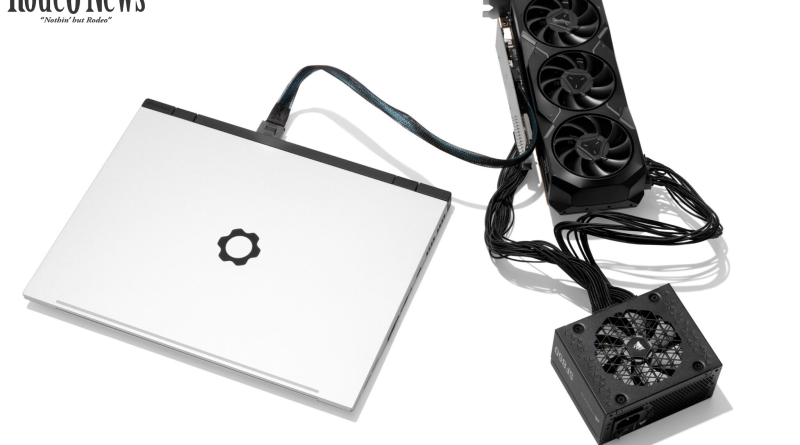
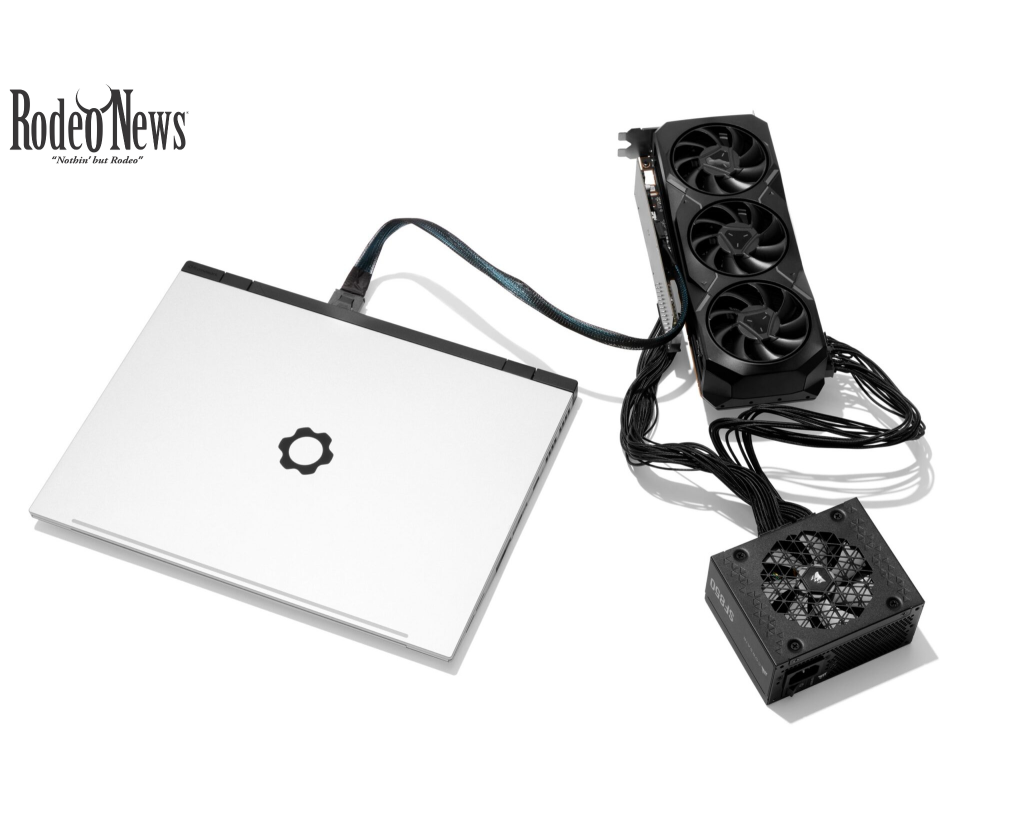
At the same time, the laptop maintains its unique ability to swap graphics modules—something almost unheard of in the laptop market.
This means users can:
- Upgrade GPU performance without replacing the entire device
- Extend the lifespan of their hardware
- Adapt the system for gaming, development, or AI workloads
Improved Thermal Design and Power Delivery
Performance upgrades often come with increased heat, but Framework has also refined the cooling system.
The updated design includes:
- Improved thermal management
- More efficient airflow
- A high-capacity USB-C power adapter capable of sustaining heavy loads
These changes help the laptop maintain consistent performance without excessive noise or overheating.
Earlier versions already showed promise in thermal efficiency, but the new refinements make the system more competitive with traditional high-performance laptops.
Modular System Matures Into a Real Advantage
The modular approach has always been Framework’s defining feature. However, early implementations felt more like a concept than a fully realized system.
With the latest Framework Laptop 16 upgrades, that’s beginning to change.
Key modular features now feel more practical:
- Hot-swappable input modules (keyboard, numpad, macro pads)
- Expansion cards for ports and storage
- Upgradeable mainboard and GPU
This level of customization allows users to tailor the laptop to their exact needs. Whether it’s a developer requiring multiple ports or a gamer needing extra GPU power, the system adapts accordingly.
Importantly, many of these upgrades are backward compatible, meaning existing users can benefit without buying a new laptop.
Balancing Innovation With Usability
Despite these improvements, the Framework Laptop 16 still faces challenges.
The modular design, while powerful, introduces complexity:
- Setup can be more involved than traditional laptops
- Some components may still feel experimental
- The ecosystem of modules is still growing
Additionally, pricing—while improved—remains higher than many conventional laptops with similar specs.
However, these trade-offs are part of a broader vision. Framework is not just building a laptop—it’s attempting to redefine how laptops are designed, used, and upgraded.
Sustainability and the Right-to-Repair Movement
The Framework Laptop 16 upgrades are not just about performance—they also reinforce the company’s commitment to sustainability.
Framework’s philosophy centers on:
- Reducing electronic waste
- Extending product lifespans
- Empowering users to repair and upgrade their devices
Unlike most laptops, which are difficult or impossible to upgrade, Framework devices are designed to be opened and modified with minimal tools.
This approach aligns with the growing right-to-repair movement, which advocates for more consumer control over technology.
By making components replaceable and upgradeable, Framework is challenging the industry’s reliance on frequent device replacement.
A More Competitive Position in 2026
With these upgrades, the Framework Laptop 16 is entering a new phase.
It is no longer just a niche product for enthusiasts—it’s becoming a viable option for a broader audience.
Key improvements include:
- More refined design
- Better pricing flexibility
- Stronger performance
- Enhanced usability
At the same time, it retains its unique selling point: unmatched modularity.
This combination positions it as a compelling alternative to traditional laptops, especially for users who value customization and longevity.
What This Means for the Future of Laptops
The success of the Framework Laptop 16 upgrades could have wider implications for the industry.
Other manufacturers are already experimenting with modular or semi-modular designs, inspired by Framework’s approach.
If this trend continues, we may see:
- More upgradeable laptops
- Longer device lifecycles
- Reduced electronic waste
However, widespread adoption will depend on whether companies can balance modularity with cost, design, and ease of use.
Framework’s latest updates suggest that balance is becoming more achievable.