Parkinson’s Risk Revealed: Scientists Discover Gut Clues
A groundbreaking study has revealed that Parkinson’s risk gut microbiome patterns may help detect the disease years before symptoms appear. Scientists now believe that subtle changes in gut bacteria could act as an early warning system, offering new hope for prevention and treatment.
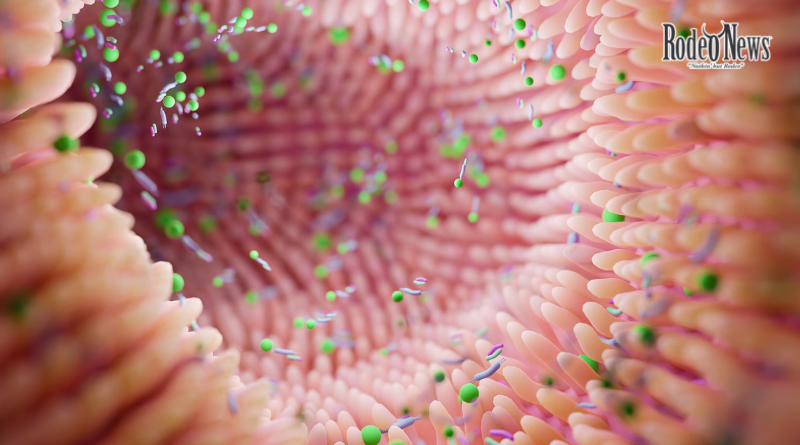
The research, reported by The Guardian, highlights a growing body of evidence linking the digestive system to brain health. More importantly, it suggests that Parkinson’s disease may begin long before tremors or movement problems emerge—deep within the gut.
A Hidden Signature in the Gut Microbiome
Researchers from University College London identified a distinct microbial “signature” in people with Parkinson’s disease. This same pattern was also found in individuals who carry genetic risk factors but have not yet developed symptoms.
The study analyzed stool samples and clinical data from hundreds of participants, including diagnosed patients, at-risk individuals, and healthy controls. The results were striking: more than 170 types of gut microbes showed significant differences between those with Parkinson’s and those without it.
Even more surprising, a small percentage of healthy individuals also displayed this microbial pattern—suggesting they may unknowingly face a higher risk of developing the disease later in life.
This discovery could transform how Parkinson’s is detected. Instead of waiting for visible symptoms, doctors may one day use gut analysis to identify risk early and intervene sooner.
Why the Gut Matters in Parkinson’s Disease
Parkinson’s disease is traditionally seen as a neurological disorder, caused by the loss of dopamine-producing neurons in the brain. However, scientists increasingly believe the condition may actually start in the digestive system.
The key lies in a protein called alpha-synuclein. When it misfolds, it can damage brain cells and lead to Parkinson’s symptoms. Researchers now suspect that this process may begin in the gut and travel to the brain via the vagus nerve.
Scientific studies support this “gut-brain axis” theory. Changes in gut bacteria can trigger inflammation, which may increase the production of harmful proteins. Over time, these proteins can spread, contributing to neurodegeneration.
This connection helps explain why digestive issues—such as constipation—often appear years before Parkinson’s is diagnosed.
Diet and Lifestyle: Key Risk Factors
One of the most important findings of the study is the role of diet in shaping the gut microbiome. Researchers observed that individuals with the high-risk microbial signature tended to consume:
- More processed foods
- Higher levels of saturated fats
- Fewer fruits and vegetables
- Lower fiber intake
In contrast, healthier diets rich in fiber, fish, and plant-based foods were associated with a more balanced microbiome.
Additional research suggests that dietary patterns like the Mediterranean or MIND diet may reduce Parkinson’s risk or delay its onset.
Meanwhile, high consumption of ultra-processed foods has been linked to a significantly increased likelihood of early symptoms.
These findings reinforce a powerful message: what you eat doesn’t just affect your gut—it may influence your brain health for decades.
Early Detection Could Change Everything
Currently, Parkinson’s disease is typically diagnosed only after motor symptoms—such as tremors, stiffness, and slow movement—become noticeable. By that stage, significant brain damage has already occurred.
The discovery of a Parkinson’s risk gut microbiome signature could change this timeline dramatically.
According to researchers, identifying at-risk individuals early could allow for:
- Preventive dietary changes
- Microbiome-targeted therapies
- Closer monitoring and early intervention
This approach could delay or even prevent the onset of symptoms altogether.
However, scientists caution that more research is needed before these findings can be applied clinically. It is still unclear whether microbiome changes directly cause Parkinson’s or simply reflect early disease processes.
A Growing Global Health Concern
The urgency of this research is underscored by the rapid rise in Parkinson’s cases worldwide. Over the past 25 years, the number of people living with the condition has more than doubled, reaching over 8.5 million globally.
Parkinson’s is a progressive disease that affects movement, balance, and coordination. It can also cause depression, sleep disturbances, and cognitive decline.
Despite advances in treatment, there is currently no cure. Most therapies focus on managing symptoms rather than stopping the disease itself.
That’s why early detection—and prevention—has become a major focus for researchers.
Can the Microbiome Be Modified?
One of the most promising aspects of this discovery is that the gut microbiome is not fixed. Unlike genetics, it can be influenced by lifestyle changes.
Potential strategies to improve gut health include:
- Increasing fiber intake
- Eating more fruits and vegetables
- Reducing processed foods
- Incorporating fermented foods
- Staying physically active
Scientists are also exploring more advanced interventions, such as probiotics and microbiome-based therapies. However, these approaches are still in early stages of development.
Experts emphasize that simple lifestyle changes may already offer meaningful benefits. Even small improvements in diet and activity levels could help shift the microbiome toward a healthier state.
The Future of Parkinson’s Research
The discovery of a Parkinson’s risk gut microbiome marker represents a major step forward in understanding the disease. It also opens the door to entirely new approaches in diagnosis and treatment.
Future research will focus on:
- Confirming the reliability of microbiome-based screening
- Understanding the exact mechanisms linking gut bacteria to brain damage
- Developing targeted therapies to modify the microbiome
- Identifying which individuals are most at risk
If successful, these efforts could lead to a paradigm shift in how Parkinson’s is managed—moving from reactive treatment to proactive prevention.
What This Means for You
While the science is still evolving, the implications are clear. Your gut health may play a far more important role in your overall well-being than previously thought.
Maintaining a healthy microbiome is not just about digestion—it could be a key factor in protecting your brain.
Simple steps such as improving your diet, staying active, and reducing processed food intake may help lower your risk—not only for Parkinson’s but for other chronic diseases as well.
Conclusion
The link between the gut and the brain is becoming impossible to ignore. The latest research shows that Parkinson’s risk gut microbiome patterns could provide an early warning system for one of the world’s fastest-growing neurological disorders.
Although more studies are needed, the findings offer a powerful new perspective: the path to preventing Parkinson’s may begin in the gut.
As scientists continue to explore this connection, one thing is certain—taking care of your gut health today could have long-term benefits for your brain tomorrow.