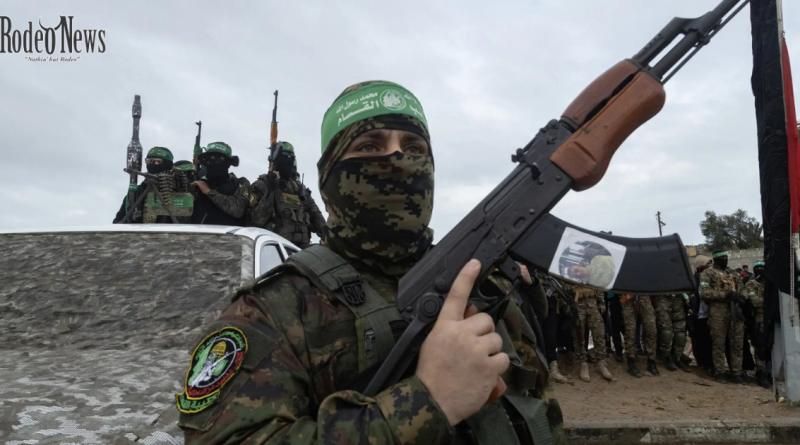
Hamas Weapons Debate: 5 Key Facts Revealed
The Hamas weapons debate has emerged as one of the most critical and controversial issues shaping ongoing ceasefire negotiations in Gaza. As international mediators push for a long-term solution to the devastating conflict, the question of whether Hamas should disarm continues to divide key stakeholders.
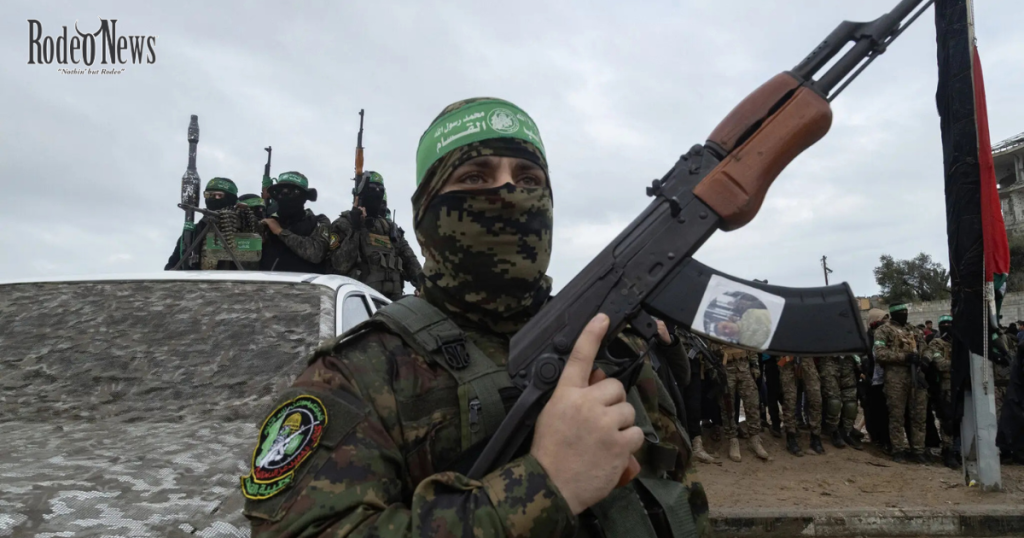
In recent developments, Israel has made it clear that any meaningful progress toward peace depends on the dismantling of Hamas’s military capabilities. Meanwhile, Hamas insists that its weapons are essential for survival and resistance. This deep divide has created a diplomatic deadlock, delaying reconstruction efforts and prolonging instability in the region.
This article breaks down five essential facts that define the Hamas weapons debate and explain why it remains a major obstacle to peace.
1. Hamas Weapons Debate Centers on Disarmament Demands
At the heart of the Hamas weapons debate is a simple but highly contentious demand: Israel wants Hamas to disarm completely.
Israeli officials argue that allowing Hamas to retain weapons would pose an ongoing security threat. They point to the group’s history of rocket attacks and its extensive tunnel network as evidence that disarmament is necessary to prevent future violence.
However, Hamas strongly rejects this condition. The group maintains that giving up its weapons without guarantees would leave Gaza vulnerable. For Hamas, disarmament is not just a military issue—it is tied to political survival.
Therefore, the Hamas weapons debate is not merely about arms control; it is about power, security, and long-term influence in Gaza.
2. Weapons Represent Political Power and Leverage
Another key aspect of the Hamas weapons debate is the symbolic and political importance of these weapons.
Hamas’s arsenal is more than a collection of firearms and rockets. It represents:
- Authority within Gaza
- Negotiating leverage with Israel
- A symbol of resistance
Without weapons, Hamas risks losing its position as a dominant force in the region. This is why the group is unwilling to agree to immediate or total disarmament.
On the other hand, Israel views these same weapons as a direct threat to its citizens. This opposing perspective makes compromise extremely difficult.
As a result, the Hamas weapons debate continues to stall progress in ceasefire discussions.
3. U.S.-Backed Plan Suggests Phased Disarmament
To break the deadlock, international mediators—particularly the United States—have proposed a phased disarmament plan.
Under this proposal:
- Hamas would surrender heavy weapons first, such as rockets
- Small arms could be temporarily retained
- Weapons would eventually be transferred to a new governing authority
This approach aims to balance security concerns with political realities. It allows for gradual trust-building while avoiding immediate confrontation.
However, several challenges remain:
- Who will oversee the disarmament process?
- How will compliance be verified?
- What guarantees will Hamas receive?
These unanswered questions continue to complicate the Hamas weapons debate.
4. Hamas Weapons Debate Blocks Gaza Reconstruction
The humanitarian situation in Gaza has reached critical levels, with widespread destruction and urgent need for rebuilding.
Yet, the Hamas weapons debate is directly delaying reconstruction efforts.
Israel has stated that no large-scale rebuilding will occur unless Hamas disarms. The concern is that reconstruction materials could be diverted for military use, including rebuilding tunnels or manufacturing weapons.
Meanwhile, Hamas argues that reconstruction should not be conditional on disarmament. The group insists that civilians should not suffer due to political disagreements.
This creates a cycle:
- No disarmament → No reconstruction
- No reconstruction → Continued humanitarian crisis
Therefore, resolving the Hamas weapons debate is essential not only for security but also for humanitarian recovery.
5. No Clear Path to Resolution Yet
Despite ongoing negotiations, there is currently no clear resolution to the Hamas weapons debate.
Both sides remain firm in their positions:
- Israel demands full disarmament
- Hamas refuses without guarantees of sovereignty and safety
International mediators, including Egypt and Qatar, continue to push for compromise. However, progress has been slow.
Experts suggest that a potential solution may involve:
- International peacekeeping forces
- A restructured Palestinian governance system
- Gradual integration of armed groups into official security forces
Even so, these solutions require significant political will and mutual trust—both of which are currently in short supply.
Broader Impact of the Hamas Weapons Debate
The implications of the Hamas weapons debate extend far beyond Gaza.
Regional Stability
Neighboring countries are closely watching the situation. Continued instability could affect the broader Middle East, increasing tensions and security risks.
Global Diplomacy
Major powers, including the United States and European nations, are heavily involved in negotiations. Their ability to broker a deal will influence global perceptions of diplomatic effectiveness.
Humanitarian Concerns
Millions of civilians are affected by the ongoing conflict. The delay in reaching a resolution prolongs suffering and limits access to essential resources.
External Reference
For more context on the ongoing conflict, visit:
https://www.cfr.org/global-conflict-tracker/conflict/israeli-palestinian-conflict
Internal Link Example
Read more global conflict analysis at:
https://yourwebsite.com/global-conflict-updates
Why the Hamas Weapons Debate Matters Now
The urgency of the Hamas weapons debate cannot be overstated. As ceasefire talks continue, this issue remains the single biggest barrier to a lasting agreement.
Without a resolution:
- Peace negotiations may collapse
- Reconstruction will remain stalled
- Regional tensions could escalate further
However, a breakthrough—even a partial one—could unlock significant progress.
Conclusion
The Hamas weapons debate is more than a disagreement over arms—it is a complex conflict involving security, politics, and humanitarian concerns.
While Israel sees disarmament as essential for safety, Hamas views its weapons as vital for survival. This fundamental difference continues to block progress toward peace.
Until both sides find common ground, the path to stability in Gaza will remain uncertain. For now, the world watches closely as negotiations unfold, hoping for a solution that balances security with human dignity.