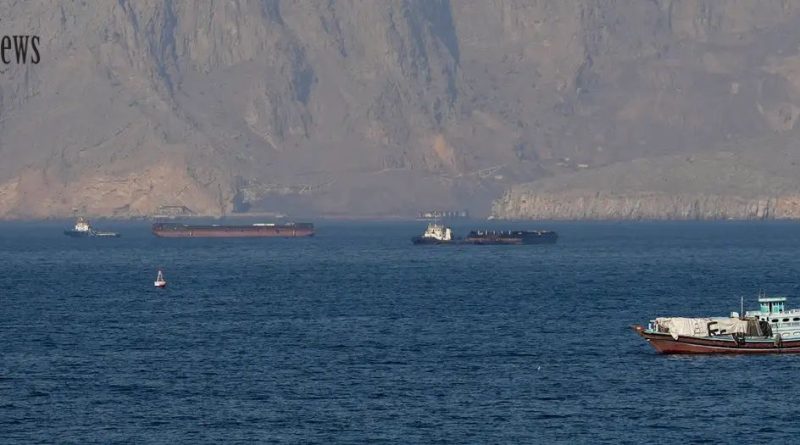
Iran Strait Crisis Explodes: India Protests Ship Attack
The Iran Strait crisis has entered a dangerous new phase after India formally protested against Iran following reports that two vessels were fired upon in the Strait of Hormuz. The incident marks a sharp escalation in already rising tensions across the Middle East and highlights the growing risks to global trade and energy supplies.
The attack has not only triggered diplomatic backlash from India but also intensified concerns among international shipping companies and governments. With the Strait of Hormuz acting as a critical global oil artery, any instability in the region has immediate worldwide consequences.
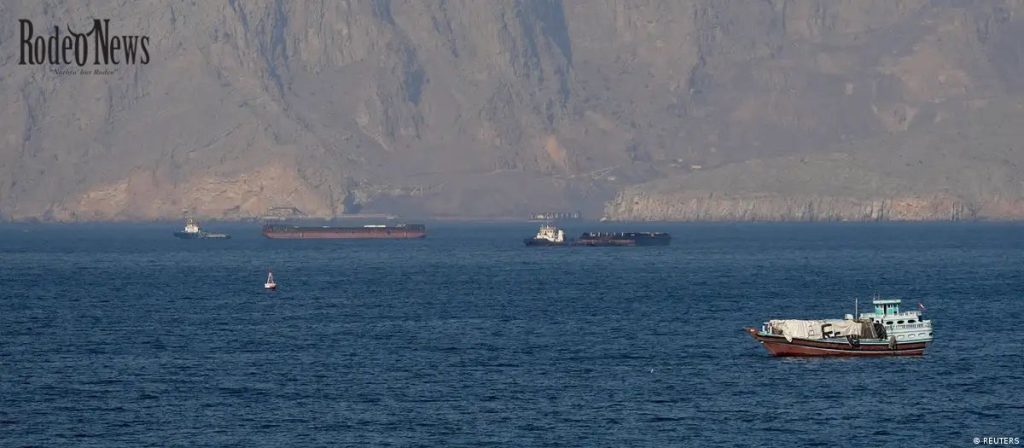
India Reacts Strongly to Ship Attacks
India responded swiftly after reports confirmed that two vessels—linked to Indian operations—were targeted while attempting to cross the Strait of Hormuz.
According to officials, India summoned Iran’s ambassador to express “deep concern” over the incident and demanded assurances for the safety of maritime traffic.
This diplomatic move underscores how seriously India views the situation. The country relies heavily on oil imports passing through the Strait, making any disruption a major national concern.
Indian authorities emphasized the importance of ensuring safe passage for ships and called on Iran to prevent further incidents.
What Happened in the Strait of Hormuz?
The incident occurred as ships attempted to navigate the increasingly volatile waters of the Strait of Hormuz.
Reports indicate that at least two vessels were hit by gunfire while crossing the strait, with maritime security sources confirming the attacks.
In addition, multiple reports suggest that Iranian forces fired on commercial ships, forcing some vessels to turn back for safety.
Although no casualties were immediately reported, the attacks have significantly raised alarm levels across the global shipping industry.
The Strait has effectively become a high-risk zone, with many operators reconsidering routes or delaying shipments.
Iran Tightens Control Over Strategic Waterway
Iran has asserted increasing control over the Strait of Hormuz, describing it as under “strict control” amid ongoing tensions with the United States.
The move follows the re-imposition of a U.S. naval blockade targeting Iranian ports—an action Tehran has strongly condemned.
Iran has warned that any unauthorized vessel attempting to pass through the Strait could face consequences. In some cases, ships have reportedly been turned away or attacked.
This posture has effectively restricted access to one of the most important maritime routes in the world.
Why the Strait of Hormuz Is So Critical
The Strait of Hormuz is not just another shipping route—it is one of the most vital chokepoints in the global economy.
Approximately 20% of the world’s oil supply passes through this narrow passage.
This means that even minor disruptions can have massive ripple effects:
- Rising oil prices
- Increased shipping costs
- Supply chain delays
- Economic uncertainty worldwide
In fact, analysts have already described the current situation as one of the most significant threats to global energy security in modern history.
A Crisis Rooted in Broader Conflict
The Iran Strait crisis is not happening in isolation. It is part of a wider conflict involving multiple actors, including the United States and regional forces.
The situation escalated after the U.S. imposed a naval blockade on Iran in April 2026 following failed diplomatic talks.
In response, Iran has taken aggressive measures in the Strait of Hormuz, including threats against shipping and military posturing.
This cycle of action and reaction has created a volatile environment where even small incidents—like the firing on vessels—can trigger major consequences.
Maritime Security Concerns Growing
The recent attacks have raised serious concerns about maritime safety in the region.
Shipping companies now face difficult decisions:
- Continue operations and risk attacks
- Reroute shipments at higher costs
- Delay deliveries and disrupt supply chains
Insurance premiums for vessels passing through the Strait have also surged, reflecting the increased risk.
Meanwhile, naval forces from various countries are closely monitoring the situation, with some already deploying additional assets to protect shipping lanes.
India’s Strategic Stakes in the Crisis
India is one of the countries most affected by the Iran Strait crisis.
The country imports a significant portion of its oil from the Middle East, much of which passes through the Strait of Hormuz.
To address the risks, India has already launched maritime security operations aimed at protecting its vessels and ensuring energy supply continuity.
These efforts include naval escorts and increased surveillance in critical areas.
The recent attacks highlight the urgency of these measures and the challenges India faces in securing its energy routes.
Risk of Escalation Remains High
The firing on vessels represents a dangerous escalation that could lead to broader conflict.
Several scenarios could unfold:
- Increased military presence in the Strait
- Further attacks on commercial shipping
- Retaliatory actions by affected countries
- Breakdown of diplomatic efforts
Each of these developments could push the crisis to a new level, potentially impacting not just the region but the entire global economy.
Diplomatic Efforts Under Pressure
Despite rising tensions, diplomatic efforts are ongoing.
Iran has indicated a willingness to maintain dialogue, even as it defends its actions and emphasizes its control over the Strait.
At the same time, countries like India are pushing for de-escalation and safe passage guarantees.
However, the gap between opposing positions remains wide, making a quick resolution unlikely.
Global Implications of the Iran Strait Crisis
The implications of the Iran Strait crisis extend far beyond the Middle East.
Energy markets are already reacting to the uncertainty, with price fluctuations reflecting fears of supply disruptions.
In addition:
- Global trade routes are being reassessed
- Businesses are preparing for potential delays
- Governments are monitoring fuel reserves
If the situation worsens, the economic impact could be severe, affecting industries and consumers worldwide.
What Happens Next?
The coming days will be critical in determining the direction of the crisis.
Key questions remain:
- Will Iran continue targeting ships?
- Can diplomatic efforts reduce tensions?
- Will global powers intervene more directly?
For now, uncertainty dominates, and the risk of further escalation remains high.
Conclusion
The Iran Strait crisis has reached a pivotal moment as attacks on vessels draw international attention and diplomatic backlash.
India’s strong protest highlights the global stakes involved, while ongoing tensions in the Strait of Hormuz underscore the fragility of maritime security in the region.
As the situation evolves, the world faces a critical question: can diplomacy prevail, or will the crisis deepen into a broader conflict?