Trump Voters React: Shocking Pope Iran War Clash
The phrase “Trump voters pope Iran war” has quickly become a defining flashpoint in global political discourse, as tensions rise between supporters of U.S. President Donald Trump and Pope Leo XIV over the ongoing conflict with Iran. What began as a moral critique from the Vatican has now escalated into a broader cultural and political divide—one that highlights the uneasy relationship between religion and state power in modern geopolitics.
At the center of the controversy is a simple but loaded demand from some Trump supporters: the pope should “stay in his lane.”
A Clash Between Faith and Foreign Policy
The conflict stems from Pope Leo XIV’s outspoken criticism of the war in Iran. The pontiff has repeatedly urged global leaders to pursue peace, warning against violence and the human cost of escalating military action.
In contrast, President Trump has defended the war as necessary for national security, particularly in preventing Iran from gaining strategic dominance. This difference in perspective has sparked a rare and highly public disagreement between the leader of the Catholic Church and the president of the United States.
According to reports, some Trump voters have reacted strongly to the pope’s stance, arguing that religious leaders should avoid interfering in political and military decisions.
This reaction reflects a broader belief among parts of Trump’s base: that foreign policy should remain strictly within the domain of elected officials and military experts—not spiritual authorities.
“Stay in Your Lane”: What Trump Supporters Are Saying
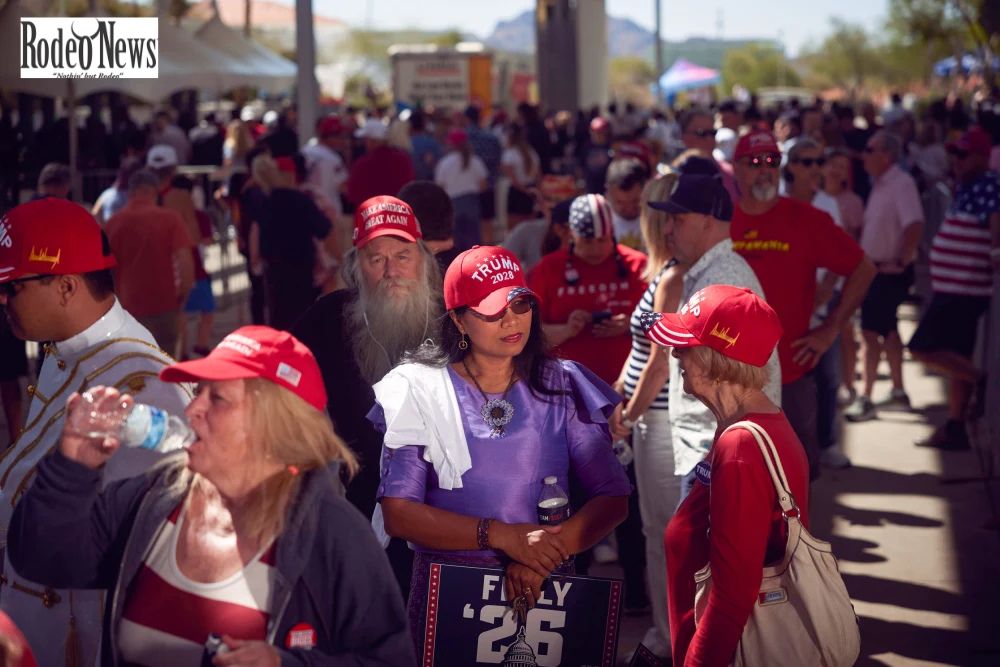
At rallies and in interviews, several Trump supporters expressed frustration with the pope’s comments. Their argument is straightforward:
- The pope’s role is spiritual, not political
- War decisions require complex geopolitical judgment
- Religious figures risk overstepping by criticizing national policy
This sentiment echoes Trump’s own criticism of Pope Leo XIV. The president has accused the pope of being “weak” and suggested he should focus on religious leadership rather than global politics.
For many supporters, this framing reinforces the idea that the Vatican is intruding into matters it does not fully understand.
The Pope’s Position: A Moral Obligation
However, Pope Leo XIV has firmly rejected the idea that he is overstepping.
The pope has emphasized that speaking out against war is not political—it is moral. He argues that the Catholic Church has a long-standing duty to advocate for peace, protect human life, and challenge violence wherever it occurs.
“I am not a politician,” the pope has said, stressing that his message is rooted in the Gospel and not in partisan agendas.
From the Vatican’s perspective, remaining silent on war would be a failure of moral leadership.
Why This Conflict Is So Unusual
Clashes between popes and political leaders are not new. However, this situation stands out for several reasons:
1. Both Leaders Are American
Pope Leo XIV is the first American-born pope, making the disagreement more personal and politically charged.
2. The Conflict Is Public and Direct
Unlike past disputes, both sides have openly criticized each other by name—something rarely seen in modern history.
3. The Stakes Are Global
The Iran war is not just a regional issue; it carries worldwide implications, including economic instability and potential escalation into a broader conflict.
This combination has turned the disagreement into a global spectacle.
The Iran War: A Brief Context
The war in Iran has intensified in recent months, with military operations and rising casualties drawing international concern. Diplomatic efforts have struggled to keep pace with the escalation.
Recent developments include:
- Increased military activity in the region
- Warnings from Iran of strong retaliation
- Ongoing debates within the U.S. over the war’s justification
The conflict has become a central issue in American politics, making the pope’s intervention even more controversial.
A Deeper Divide Within Christianity
Interestingly, the debate is not just political—it is also religious.
Within the United States, Christians themselves are divided:
- Some support the pope’s anti-war stance
- Others align with Trump’s approach to national security
This split highlights a broader tension within Christianity about how faith should influence political decisions.
For some believers, opposing war is a core religious principle. For others, defending the nation—even through military force—is equally justified.
Trump’s Broader Strategy
Trump’s response to the pope also fits into a larger political pattern.
The president has often positioned himself as a defender of national sovereignty and traditional values, sometimes clashing with global institutions or figures who challenge U.S. policies.
By criticizing the pope, Trump reinforces his image among supporters as someone who:
- Rejects outside interference
- Prioritizes American interests
- Stands firm against criticism
This approach resonates strongly with his political base, even when it involves confronting religious authority.
The Role of Religion in Modern Politics
The controversy raises an important question:
Should religious leaders speak on political issues like war?
There are two main perspectives:
Argument for Involvement
- Religion provides moral guidance
- Leaders have a duty to speak against injustice
- Silence could be seen as complicity
Argument Against Involvement
- Politics requires technical expertise
- Religious opinions may oversimplify complex issues
- Mixing religion and policy can deepen divisions
The current situation illustrates how difficult it is to separate these spheres completely.
Global Reactions and Implications
The clash between Trump and the pope has drawn attention worldwide.
Some observers see it as a necessary debate about morality and power. Others view it as a dangerous escalation of rhetoric during an already volatile conflict.
Key implications include:
- Increased polarization in U.S. politics
- Strained relations between the Vatican and the White House
- Greater scrutiny of religious influence on policy
Meanwhile, calls for peace continue from various international leaders and organizations.
What Happens Next?
It remains unclear how the situation will evolve.
While both Trump and Pope Leo XIV have shown little sign of backing down, there have been attempts to ease tensions. Some officials have emphasized that the pope’s message is not directed at any one leader but at global violence in general.
Still, the underlying disagreement persists—and is unlikely to disappear anytime soon.
Conclusion: More Than Just a Disagreement
The “Trump voters pope Iran war” debate is about more than a single issue. It represents a deeper conflict between:
- Moral authority and political power
- Faith-based values and national strategy
- Global leadership and domestic politics
As the Iran war continues, this divide may only grow more pronounced.
Whether the pope should “stay in his lane” or continue speaking out is ultimately a question that touches on the role of religion in shaping the modern world.
And for now, there is no clear answer—only a growing debate that reflects the complexity of our times.