Middle East Crisis: Shocking 5 Key Updates Today
The Middle East crisis entered a critical phase this week, with dramatic developments involving Iran, Israel, Lebanon, and the United States reshaping both regional stability and global markets. From the reopening of the Strait of Hormuz to a fragile ceasefire between Israel and Lebanon, the situation remains volatile despite signs of temporary de-escalation.
This article breaks down the most important updates, what they mean, and why the world is watching closely.
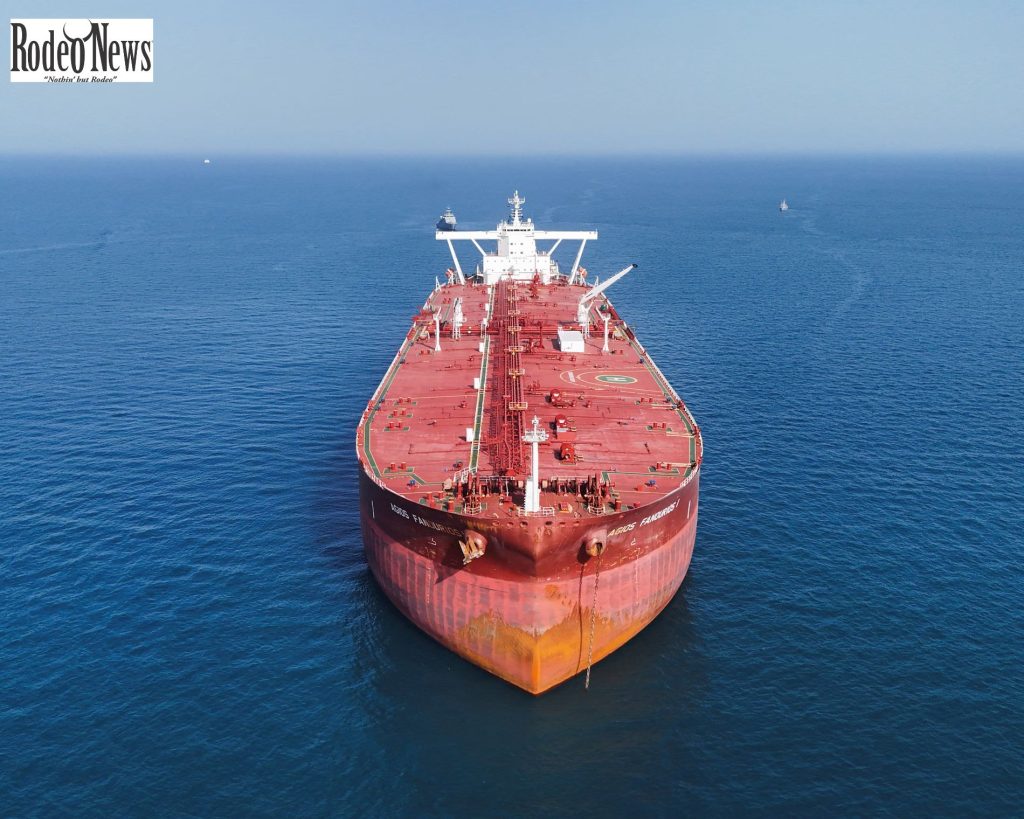
Strait of Hormuz Reopens — But Risks Remain
One of the most significant developments in the ongoing Middle East crisis is Iran’s announcement that the Strait of Hormuz is “completely open” for commercial shipping during the current ceasefire period.
This narrow waterway is one of the most critical global oil routes, responsible for transporting a large portion of the world’s energy supply. Its reopening immediately eased fears of a prolonged global energy disruption.
However, the situation is far from stable.
Iranian officials warned that the strait could be closed again if the United States continues its naval blockade of Iranian ports.
Meanwhile, U.S. President Donald Trump claimed that Iran had agreed never to shut the strait again—a statement that has not been independently verified.
This contradiction highlights a central issue in the Middle East crisis: conflicting narratives and fragile agreements.
Israel-Lebanon Ceasefire Offers Temporary Relief
Another major turning point is the 10-day ceasefire between Israel and Lebanon, brokered by the United States.
The truce follows weeks of intense fighting between Israeli forces and Hezbollah, a militant group backed by Iran. The conflict caused widespread devastation:
- Over 2,000 people killed
- More than a million displaced
- Entire neighborhoods destroyed
The ceasefire aims to pause hostilities and create space for negotiations. However, it is far from a permanent solution.
Hezbollah has not fully endorsed the agreement, and Israeli forces remain deployed in parts of southern Lebanon.
Additionally, both sides have warned they are ready to resume fighting if the truce collapses.
This makes the ceasefire a temporary pause rather than a lasting peace.
US Strategy: Pressure and Diplomacy Combined
The United States continues to play a central role in the Middle East crisis, combining diplomatic efforts with military pressure.
On one hand, Washington helped broker the Israel-Lebanon ceasefire and is pushing for broader negotiations with Iran.
On the other hand, the U.S. has maintained a naval blockade on Iranian ports, signaling continued pressure.
President Trump has also issued stark warnings, suggesting that military action could resume if negotiations fail.
In a notable move, Trump reportedly told Israel to halt bombing operations in Lebanon, reinforcing U.S. control over the escalation.
This dual approach—negotiation backed by force—is shaping the trajectory of the crisis.
Global Markets React: Oil Drops, Stocks Surge
The economic impact of the Middle East crisis has been immediate and global.
Following the reopening of the Strait of Hormuz:
- Oil prices dropped sharply
- Stock markets surged worldwide
- Energy-related volatility eased
Brent crude fell significantly, reflecting renewed confidence in global supply chains. Investors responded positively, with major indices rising across Europe and the United States.
Additionally, the U.S. extended a waiver allowing countries to continue buying Russian oil, a move aimed at stabilizing global energy markets during the crisis.
However, analysts warn that these gains may be temporary.
If tensions escalate again—especially if the Strait of Hormuz is closed—global markets could quickly reverse course.
International Community Calls for Lasting Peace
World leaders have broadly welcomed recent developments, particularly the reopening of key shipping routes.
The United Nations described the move as a “step in the right direction,” emphasizing the importance of maintaining open navigation in the region.
However, there is widespread recognition that the Middle East crisis is far from resolved.
Key unresolved issues include:
- Iran’s nuclear program
- Hezbollah’s military role
- Israeli military presence in Lebanon
- U.S.-Iran tensions
Without addressing these underlying factors, the current calm may not last.
Why the Crisis Escalated
To understand the current situation, it is important to look at how the Middle East crisis began.
The conflict escalated sharply after U.S. and Israeli strikes on Iran earlier in 2026, which triggered retaliation across the region.
Hezbollah’s involvement further expanded the conflict, leading to direct clashes with Israel in Lebanon.
This created a multi-front crisis involving:
- Iran
- Israel
- Hezbollah
- The United States
Such complexity makes resolution extremely difficult.
A Fragile Moment of Calm
Despite recent positive signals, the Middle East crisis remains highly unstable.
Several risks could trigger renewed escalation:
- Breakdown of the Israel-Lebanon ceasefire
- Continued U.S. blockade of Iran
- Disputes over nuclear negotiations
- Military miscalculations by any party
Even small incidents could reignite broader conflict.
What Happens Next?
The next few days are critical.
The ceasefire between Israel and Lebanon is temporary, and its expiration could determine whether the region moves toward peace or back into conflict.
At the same time, negotiations between the U.S. and Iran will play a decisive role in shaping the future of the Middle East crisis.
If diplomacy succeeds, it could lead to:
- Long-term stabilization
- Secure global energy supply
- Reduced military tensions
If it fails, the consequences could include:
- Renewed fighting
- Oil price spikes
- Wider regional war
Final Analysis
The current phase of the Middle East crisis can best be described as a pause under pressure.
There are clear signs of de-escalation:
- Ceasefire agreements
- Reopened shipping routes
- Positive market reactions
However, these developments rest on fragile foundations.
Conflicting claims, unresolved disputes, and ongoing military tensions mean the situation could shift rapidly.
For now, the world is watching closely as diplomacy and confrontation continue to unfold side by side.