PSG vs Liverpool Analysis: A Brutal Reality Check
The PSG vs Liverpool analysis from their UEFA Champions League quarter-final clash paints a clear and sobering picture: one team executed a flawless plan, while the other fell short when it mattered most.
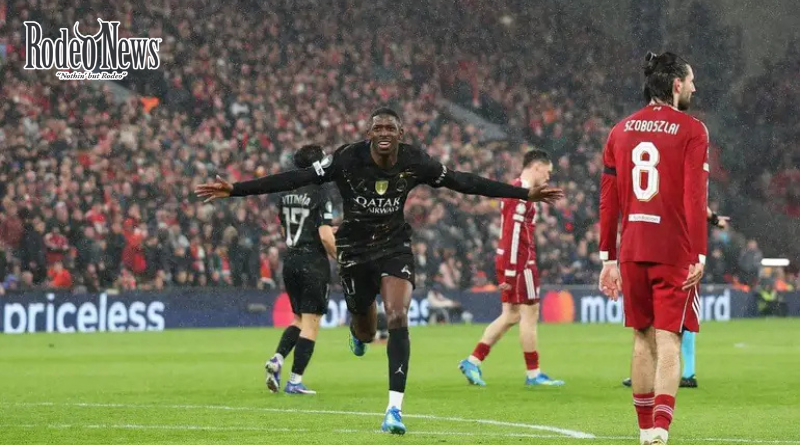
Paris Saint-Germain delivered a dominant performance across both legs, defeating Liverpool 4-0 on aggregate after a composed 2-0 victory at Anfield. The result not only ended Liverpool’s European campaign but also exposed deeper tactical and structural issues within the squad.
A Tie Lost in Paris, Not Anfield
While the second leg at Anfield attracted global attention, the real damage had already been done in the first leg in Paris.
PSG secured a comfortable 2-0 win, controlling possession, creating more chances, and limiting Liverpool to almost no attacking threat. Liverpool failed to register a single shot on target in that match—an alarming statistic at this level.
From that moment, the tie tilted heavily in PSG’s favor.
Returning to Anfield, Liverpool needed something extraordinary—something reminiscent of their historic comeback against Barcelona in 2019. Instead, they produced energy without efficiency.
Bright Start, But No End Product
Liverpool began the second leg with intensity and urgency. The home crowd created a powerful atmosphere, and the team pressed aggressively in the opening phases.
However, despite early momentum, clear chances were limited.
- Shots were taken, but few truly tested PSG’s defense
- Final passes lacked precision
- Decision-making in the final third was inconsistent
Even when opportunities emerged, PSG’s defensive organization remained disciplined and calm. According to match reports, Liverpool had moments of pressure but struggled to convert them into meaningful breakthroughs.
This inefficiency ultimately proved fatal.
Turning Point: VAR Drama and Mental Shift
One of the most controversial moments came when Liverpool were initially awarded a penalty after a challenge on Alexis Mac Allister.
But after a VAR review, the decision was overturned.
That moment shifted the emotional momentum of the match.
Instead of gaining a lifeline, Liverpool were left frustrated—and PSG capitalized soon after.
- Confidence dropped
- Tempo slowed
- PSG regained control
These psychological swings are often decisive in elite football—and this was no exception.
Ousmane Dembele: The Decisive Difference
If one player defined this PSG vs Liverpool analysis, it was Ousmane Dembele.
The French forward scored twice late in the match:
- First goal (72’) broke Liverpool’s resistance
- Second goal (90+1’) sealed the tie
Both goals came from quick transitions, highlighting PSG’s ability to strike with precision when opportunities appeared.
Dembele’s performance was not just about goals—it was about timing, composure, and clinical execution.
While Liverpool struggled to convert chances, PSG needed only a few moments to finish the job.
Tactical Breakdown: Why Liverpool Failed
1. Ineffective Attacking Structure
Liverpool’s attack lacked cohesion throughout the tie.
Despite heavy investment in attacking players, the team failed to:
- Create consistent high-quality chances
- Maintain fluid attacking movements
- Break down PSG’s defensive lines
New signings like Alexander Isak struggled to influence the game, raising questions about tactical integration and match readiness.
2. Questionable Team Selection
Manager Arne Slot’s decisions came under scrutiny.
Starting Isak—who had just returned from injury—over more in-form options proved risky. The striker recorded minimal involvement before being substituted.
Meanwhile, Mohamed Salah, a proven big-game player, began on the bench.
This decision disrupted Liverpool’s attacking rhythm and limited their early threat.
3. Midfield Control Lost
PSG dominated key midfield battles.
Players like Vitinha dictated tempo, controlled transitions, and disrupted Liverpool’s build-up play.
Liverpool, on the other hand:
- Struggled to maintain possession under pressure
- Failed to progress the ball efficiently
- Lacked creativity in central areas
This imbalance allowed PSG to control the game without dominating possession statistically.
4. Defensive Vulnerability in Transition
Liverpool pushed forward in search of goals, leaving spaces behind.
PSG exploited these gaps with speed and precision, especially in the final stages of the match.
Both of Dembele’s goals came from situations where Liverpool’s defensive structure was stretched.
Injury Blow: Ekitike’s Exit
Liverpool’s night worsened with an early injury to Hugo Ekitike.
The forward suffered what appeared to be a serious Achilles issue and had to be stretchered off.
This forced a reshuffle in attack and further disrupted the team’s rhythm.
In high-stakes matches, such disruptions can be devastating—and Liverpool never fully recovered.
PSG’s Complete Performance
While Liverpool’s weaknesses were evident, PSG’s strengths must be acknowledged.
They delivered a near-perfect two-leg performance:
- Solid defensive structure
- Efficient counter-attacking
- Clinical finishing
- Strong midfield control
PSG showed maturity, discipline, and tactical clarity—qualities essential for success in the Champions League.
Their ability to absorb pressure and strike decisively made the difference.
Bigger Picture: A Season of Disappointment
This defeat carries broader implications for Liverpool.
Despite heavy investment—reportedly close to £450 million—the club ends its season without major silverware.
Concerns include:
- Lack of cohesion among new signings
- Tactical inconsistency
- Overreliance on moments rather than structure
The Champions League exit highlights a team still in transition.
What’s Next for Liverpool?
Liverpool must now shift focus to domestic priorities.
Securing Champions League qualification for next season is critical.
At the same time, major questions need answers:
- Should tactical philosophy be adjusted?
- Are current players suited to the system?
- Will further transfers be required?
Manager Arne Slot remains optimistic, but pressure is mounting.
Conclusion: A Harsh but Valuable Lesson
This PSG vs Liverpool analysis reveals more than just a defeat—it exposes the gap between potential and execution.
Liverpool showed effort, intensity, and belief. But at this level, those qualities alone are not enough.
PSG demonstrated what truly matters:
- Precision over volume
- Structure over chaos
- Efficiency over emotion
For Liverpool, this defeat could serve as a turning point—if lessons are learned.
If not, it risks becoming another chapter in a growing pattern of European disappointment.