Hezbollah Re-Arms: How the Group Is Regaining Strength
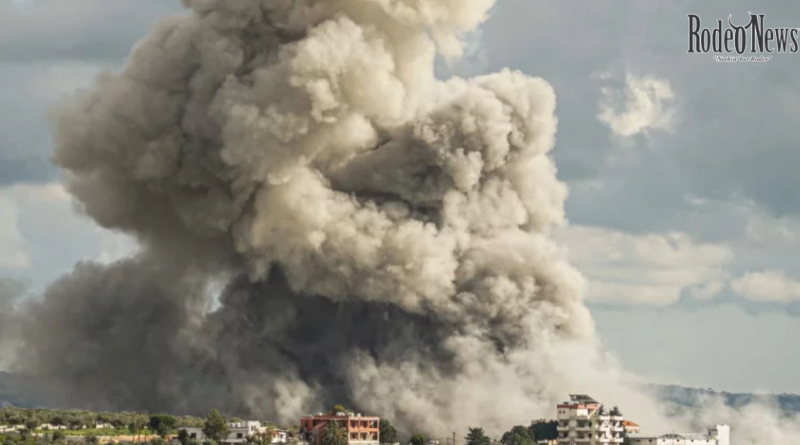
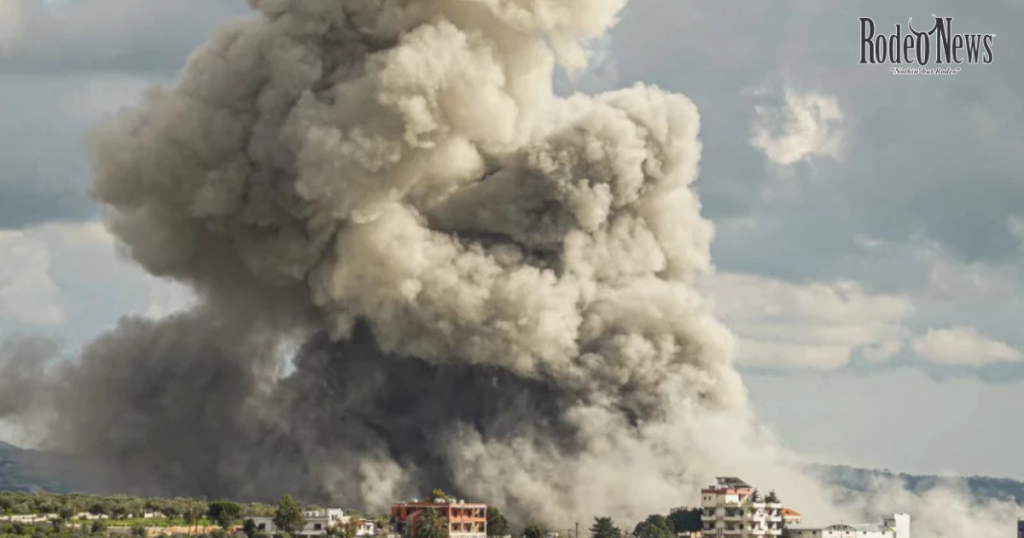
The phrase Hezbollah re-arms has become one of the most urgent questions in global security discussions. After suffering devastating losses in 2024—including the killing of top leaders and the destruction of much of its arsenal—the Iran-backed militant group is once again launching rockets into Israel.
This unexpected resurgence has puzzled analysts and raised serious concerns among policymakers. How can a group so heavily targeted rebuild so quickly? The answer lies in a combination of hidden infrastructure, evolving tactics, and strong external support.
A Devastated Group That Refused to Collapse
In 2024, Israel launched a major campaign against Hezbollah, targeting leadership figures and weapons stockpiles. The operation was widely believed to have crippled the organization.
However, Hezbollah did not disappear.
Instead, the group adapted. According to NPR reporting, Hezbollah has continued firing rockets into Israel, demonstrating that it retained—or rebuilt—its military capabilities despite heavy losses.
This resilience highlights a key reality: Hezbollah is not just a militia but a deeply entrenched organization with long-term strategic planning.
Hidden Weapons and Underground Networks
One of the main reasons Hezbollah re-arms so effectively is its use of concealed weapons systems.
Reports indicate that the group has long relied on underground storage facilities to hide its most critical assets. Even when Israel destroyed visible arsenals, significant reserves remained untouched.
A Hezbollah commander revealed that the group often surrendered “decoy weapons” in past conflicts while keeping real stockpiles hidden.
Why this strategy works
- Difficult for airstrikes to detect
- Allows rapid recovery after attacks
- Preserves long-term military strength
This approach has enabled Hezbollah to survive repeated military campaigns over decades.
Direct Support from Iran
Another crucial factor behind the Hezbollah re-arms phenomenon is its close relationship with Iran.
Iran provides:
- Weapons and missile technology
- Financial support
- Strategic guidance
Recent reports suggest that Iran now exercises even more direct control over Hezbollah’s operations.
This backing ensures that Hezbollah can replenish its arsenal even after suffering major losses.
A regional power network
Hezbollah is part of a broader network of Iran-backed groups across the Middle East. This network allows resources, intelligence, and strategies to be shared across multiple fronts.
New Tactics in Modern Warfare
Hezbollah has also adapted its tactics to survive in an era of advanced surveillance and precision strikes.
Low-tech communication
To avoid detection, fighters have reduced their reliance on electronic devices. Instead, they use:
- Handwritten messages
- Couriers on motorbikes
- Decentralized communication systems
This makes it much harder for intelligence agencies to track their movements.
Decentralized command structure
The group has shifted toward a more flexible command system, allowing local units to operate independently if central leadership is disrupted.
Continuous Conflict Fuels Rearmament
The ongoing conflict between Israel and Hezbollah has created conditions that actually support rearmament.
Despite ceasefire efforts, fighting continues across southern Lebanon. Israeli airstrikes and Hezbollah rocket attacks occur regularly, keeping the conflict active.
In such an environment:
- Weapons are constantly used and replaced
- Fighters gain battlefield experience
- Recruitment remains active
This cycle makes it easier for Hezbollah to maintain and expand its capabilities.
The Role of Lebanon’s Political Landscape
Hezbollah is not just a militant group—it is also a major political force in Lebanon.
This dual role gives it unique advantages:
- Influence within government institutions
- Support among segments of the population
- Ability to operate with relative autonomy
Even as the Lebanese government engages in diplomatic talks with Israel, Hezbollah continues its military activities independently.
Why Hezbollah Never Fully Disarmed
A key insight from the Hezbollah re-arms story is that the group never truly disarmed after previous conflicts.
Instead, it adopted a long-term strategy:
- Maintain hidden reserves
- Rebuild quietly during ceasefires
- Avoid complete exposure of capabilities
Experts note that Hezbollah has consistently prepared for future conflicts, even during periods of relative calm.
Global Implications of Hezbollah’s Resurgence
The ability of Hezbollah to rearm has significant global consequences.
For Israel
The continued threat of rocket attacks forces Israel to maintain high military readiness and consider further operations in Lebanon.
For the United States
Hezbollah’s resurgence complicates U.S. efforts to stabilize the region and manage relations with Iran.
For the Middle East
The situation increases the risk of a broader regional conflict involving multiple countries and proxy groups.
A Challenge for Modern Warfare Strategies
The Hezbollah re-arms phenomenon exposes limitations in modern military strategies.
Even with advanced technology, it remains difficult to:
- Eliminate decentralized groups
- Destroy hidden infrastructure
- Prevent external support networks
This raises important questions about how future conflicts will be fought—and whether traditional approaches are still effective.
What Comes Next?
As tensions continue, the future remains uncertain.
Israel has made it clear that disarming Hezbollah is a key objective. However, achieving this goal may prove extremely difficult given the group’s resilience and external support.
Meanwhile, diplomatic efforts are underway, including rare talks between Israel and Lebanon aimed at reducing tensions.
However, without Hezbollah’s direct involvement, the effectiveness of these negotiations remains unclear.
Conclusion: A Resilient Force in a Shifting Conflict
The fact that Hezbollah re-arms despite significant losses underscores its adaptability and strategic depth.
Through hidden weapons, Iranian support, evolving tactics, and a complex political role, the group has managed to remain a powerful force in the Middle East.
This development is not just a regional issue—it is a global concern that highlights the challenges of modern warfare and the persistence of non-state actors.
As the conflict continues, one thing is clear: Hezbollah’s ability to rebuild will remain a key factor shaping the future of the region.