Israel Strikes Lebanon: UK Issues Strong Warning
The latest escalation as Israel strikes Lebanon has triggered urgent warnings from the United Kingdom, raising fears of a broader regional conflict. British Foreign Secretary Yvette Cooper described the situation as “deeply damaging,” signaling growing concern among Western allies over the intensifying violence.
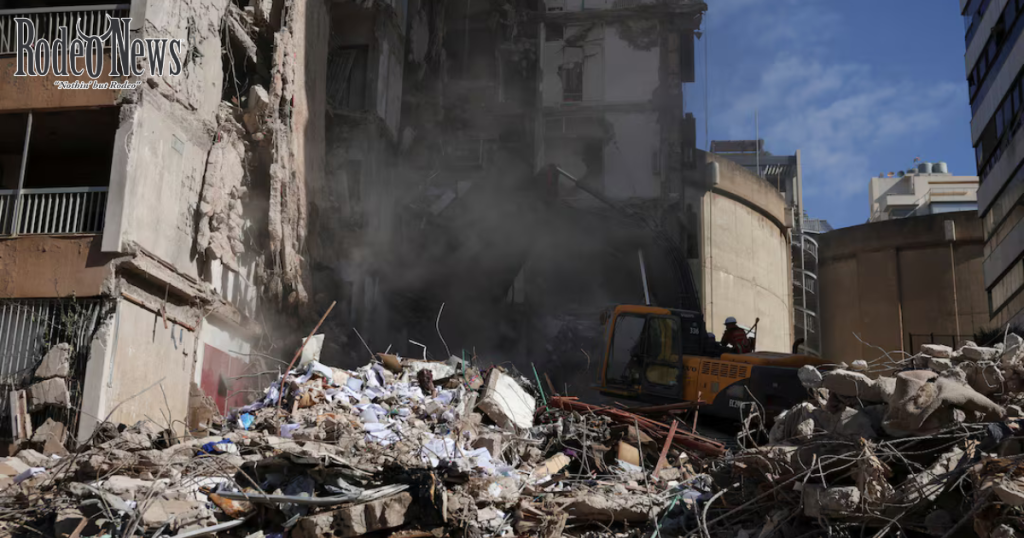
The remarks come amid one of the most severe military offensives in recent years, with Israeli forces launching widespread airstrikes across Lebanese territory. The situation is rapidly evolving, and global leaders are increasingly calling for restraint.
A Major Escalation in the Middle East
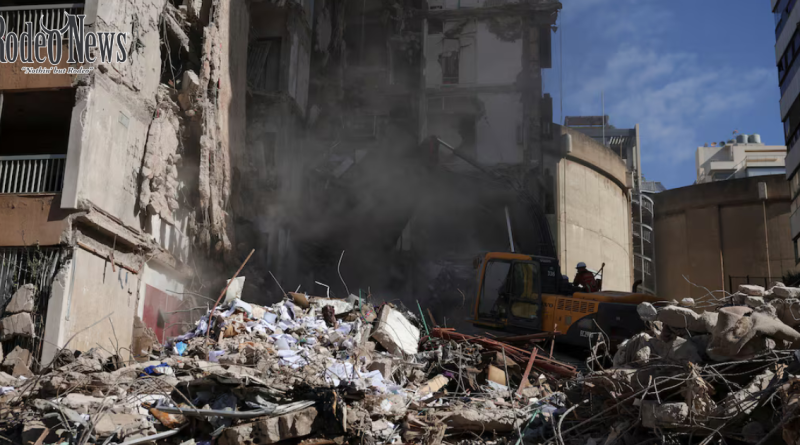
The conflict dramatically intensified after Israeli forces carried out large-scale airstrikes targeting positions linked to Hezbollah. According to reports, these attacks represent one of the most powerful offensives since the start of the current confrontation.
Casualty figures underline the severity of the situation. Dozens of people have been killed, and hundreds injured in a single day of strikes, overwhelming Lebanon’s already fragile healthcare system.
In addition, earlier strikes were described as the largest of the conflict so far, targeting infrastructure and militant positions embedded in civilian areas.
This escalation follows months of rising tensions, with cross-border exchanges between Israel and Hezbollah steadily increasing since early 2026.
UK Foreign Secretary Sounds the Alarm
Speaking publicly, Yvette Cooper warned that Israel’s military actions are not only causing humanitarian devastation but also threatening fragile diplomatic progress in the region.
She emphasized that the current offensive risks undermining a recently negotiated ceasefire framework involving the United States and Iran. According to Cooper, excluding Lebanon from that agreement could have dangerous consequences.
Furthermore, the UK government is actively pushing for Lebanon to be included in broader ceasefire discussions. This reflects growing concern that the conflict could spiral beyond its current scope if left unchecked.
5 Shocking Risks Emerging From the Crisis
1. Regional War Expansion
One of the most immediate concerns is that continued escalation could ignite a wider regional war. The involvement of Iran-backed Hezbollah increases the risk of a multi-front conflict involving several Middle Eastern nations.
2. Collapse of Ceasefire Efforts
The current hostilities threaten to derail ongoing diplomatic efforts between the United States and Iran. Disagreements over whether Lebanon is included in the ceasefire have already created tension among global powers.
3. Humanitarian Catastrophe
Civilian casualties are mounting rapidly. Hospitals in Lebanon are struggling to cope with the influx of injured individuals, while critical infrastructure continues to be damaged or destroyed.
4. Global Economic Impact
The conflict could disrupt key global trade routes, particularly the Strait of Hormuz, a vital corridor for oil and gas shipments. The UK has warned that instability in this area could have far-reaching economic consequences.
5. Rising Political Tensions
The crisis is also exposing divisions between Western allies. While the UK maintains its alliance with the United States, it has signaled a willingness to diverge on strategy and rhetoric related to the conflict.
Lebanon Caught in the Crossfire
Lebanon is facing immense pressure as the conflict escalates. The country, already dealing with economic instability and political challenges, is now grappling with widespread destruction and displacement.
Israeli strikes have targeted multiple regions, including densely populated urban areas. This has raised concerns among international observers about the proportionality of the attacks and their impact on civilians.
Meanwhile, Hezbollah continues to play a central role in the conflict. The group’s involvement has made Lebanon a key battleground in a broader geopolitical struggle involving Iran and Israel.
International Calls for De-escalation
Global leaders are increasingly urging restraint. Several countries, including European nations, have called for an immediate halt to hostilities and a renewed focus on diplomatic solutions.
The UK, in particular, is advocating for a more inclusive ceasefire agreement that addresses all active fronts, including Lebanon. Officials argue that without such measures, any truce will remain fragile and short-lived.
At the same time, there are growing concerns about the long-term consequences of continued violence. Prolonged conflict could lead to deeper instability across the Middle East, affecting not only regional security but also global markets.
The Role of the United States and Iran
The United States and Iran remain central players in the broader conflict. A recently brokered ceasefire between the two nations was seen as a potential turning point. However, the exclusion of Lebanon from the agreement has created significant ambiguity.
Iran has criticized Israeli actions, calling them a violation of the ceasefire, while Israel maintains that its operations are necessary for security reasons.
This disagreement highlights the complexity of the situation and the challenges facing international mediators.
A Fragile Path Forward
Despite the escalating violence, diplomatic efforts continue. The UK and other international actors are working to expand ceasefire agreements and reduce tensions.
However, the path forward remains uncertain. The situation on the ground is volatile, and any miscalculation could lead to further escalation.
The coming days will be critical in determining whether the conflict can be contained or if it will spiral into a broader regional crisis.
Conclusion: A Critical Moment for Global Stability
The latest developments as Israel strikes Lebanon mark a pivotal moment in the Middle East. With rising casualties, increasing geopolitical tensions, and fragile diplomatic efforts, the stakes have never been higher.
The UK’s warning underscores the urgency of the situation. Without immediate action to de-escalate tensions and include all parties in ceasefire agreements, the risk of a wider conflict remains dangerously high.
As the world watches closely, the decisions made now will shape the future of the region—and potentially the global order—for years to come.