
Palm Sunday Incident Jerusalem: 5 Shocking Facts Revealed
The Palm Sunday incident Jerusalem has sparked global outrage after Israeli police blocked senior Catholic leaders from accessing one of Christianity’s holiest sites. The unexpected move disrupted traditional religious observances and raised serious concerns about religious freedom during one of the most sacred periods in the Christian calendar.
The incident, which took place on March 29, 2026, at the Church of the Holy Sepulchre, has since drawn criticism from religious authorities, governments, and international observers. Meanwhile, Israeli officials have defended their actions, citing urgent security concerns amid ongoing regional tensions.
Below are the five most shocking and important facts about the Palm Sunday incident Jerusalem that the world needs to understand.
1. Catholic Leaders Were Blocked from a Historic Holy Site
The most alarming aspect of the Palm Sunday incident Jerusalem was the decision to block high-ranking Catholic clergy from entering the Church of the Holy Sepulchre.
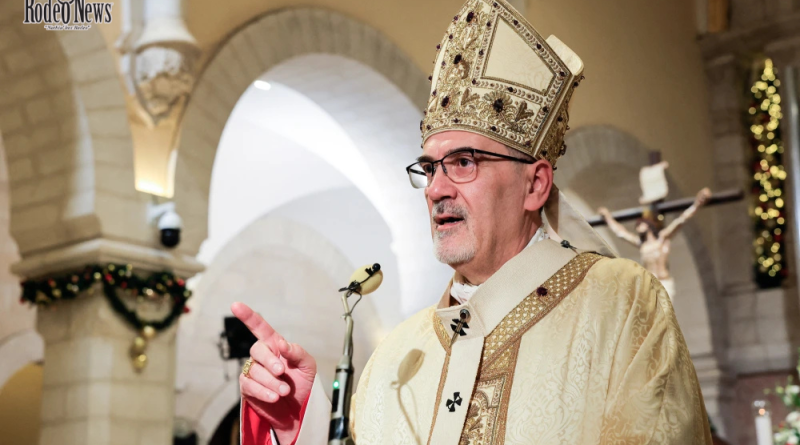
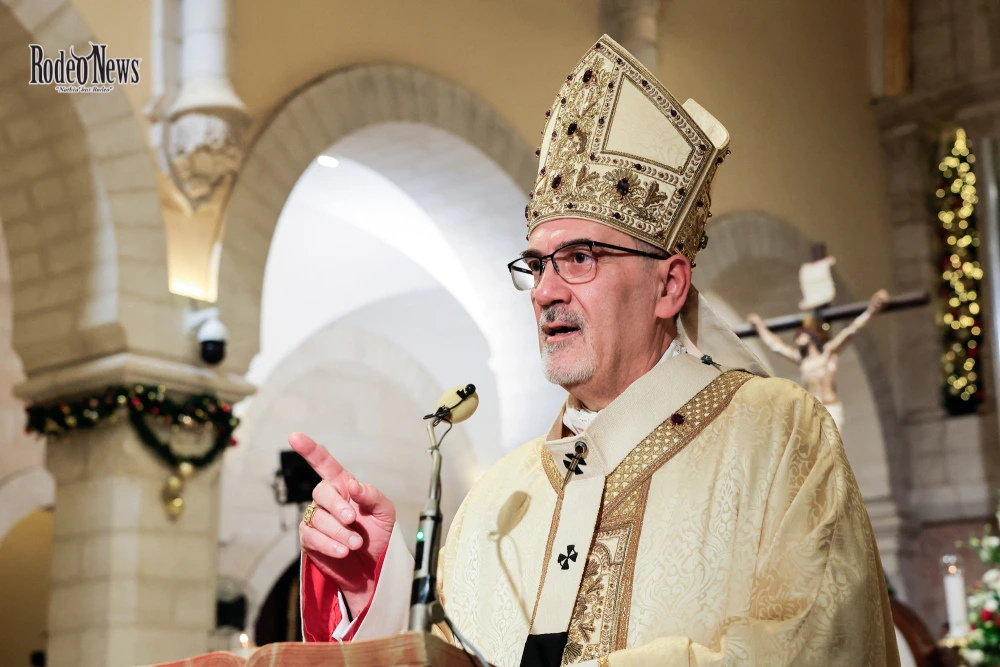
Among those affected was the Latin Patriarch of Jerusalem, along with other senior religious figures. As a result, they were unable to conduct the traditional Palm Sunday Mass at the sacred location.
This church holds immense significance for Christians worldwide. It is widely believed to be the site where Jesus Christ was crucified, buried, and resurrected. Therefore, denying access during Holy Week is seen as unprecedented and deeply troubling.
2. The Incident Occurred During Christianity’s Most Sacred Week
Timing made the Palm Sunday incident Jerusalem even more controversial.
Palm Sunday marks the beginning of Holy Week, a period that commemorates the final days of Jesus Christ’s life leading up to Easter. It is one of the most important observances in the Christian faith.
Interrupting religious ceremonies during this period amplified global reactions. Many viewed the restriction not just as a security measure, but as a serious disruption to religious tradition and worship.
Moreover, pilgrims from around the world typically travel to Jerusalem during this time. The incident therefore also impacted international visitors hoping to participate in sacred rituals.
3. Israel Cited Security Concerns Amid Rising Tensions
Israeli authorities defended their actions by pointing to escalating security threats in the region.
Officials stated that restrictions were necessary due to fears of violence and potential attacks. Ongoing geopolitical tensions, including threats linked to Iran and instability in surrounding areas, have heightened security alerts in Jerusalem.
According to police statements, limiting access to crowded religious sites was intended to prevent possible incidents. Authorities argued that public safety had to take priority under the circumstances.
However, critics questioned whether the measures were proportionate. Many argued that alternative security arrangements could have allowed the religious ceremony to proceed safely.
4. Global Backlash Was Swift and Intense
The Palm Sunday incident Jerusalem quickly triggered international condemnation.
Religious leaders expressed concern about the implications for freedom of worship. Catholic officials described the situation as highly unusual and deeply concerning.
Meanwhile, several countries voiced objections. Diplomatic figures from Europe and the United States reportedly raised concerns about the decision. Some described the action as an overreach that could damage interfaith relations.
Human rights organizations also weighed in, emphasizing the importance of protecting access to religious sites, especially during major observances.
The widespread backlash highlighted the sensitivity of Jerusalem as a focal point for multiple religions and global attention.
5. Authorities Later Reversed the Decision
Following intense criticism, Israeli authorities moved to ease the restrictions.
Access to the Church of the Holy Sepulchre was reportedly restored, allowing religious activities to continue during the remainder of Holy Week. This reversal helped to reduce tensions, although concerns remain about the precedent set by the incident.
Religious leaders welcomed the decision but emphasized the need for guarantees that such disruptions would not happen again.
The Palm Sunday incident Jerusalem has therefore left a lasting impact, even after the immediate restrictions were lifted.
Why the Palm Sunday Incident Jerusalem Matters
The significance of the Palm Sunday incident Jerusalem extends far beyond a single event.
Religious Freedom at Risk
At its core, the incident raises serious questions about religious freedom. Access to sacred sites is a fundamental aspect of worship, especially during major religious events.
Limiting that access, even for security reasons, can create tensions and mistrust among religious communities.
Jerusalem’s Fragile Balance
Jerusalem is a city of profound religious importance for Christians, Muslims, and Jews. Maintaining balance in such a setting is extremely delicate.
Any disruption—especially during major religious observances—can quickly escalate into a broader controversy.
Global Implications
Because of Jerusalem’s global religious significance, local incidents often have international consequences.
The Palm Sunday incident Jerusalem demonstrates how quickly tensions can spread beyond borders, affecting diplomatic relations and public perception worldwide.
A Pattern of Increasing Restrictions?
Some observers believe the Palm Sunday incident Jerusalem may be part of a broader pattern.
In recent years, there have been multiple reports of access restrictions at religious sites in Jerusalem, particularly during periods of heightened security.
While authorities consistently cite safety concerns, critics argue that repeated limitations could erode trust over time.
This incident may therefore serve as a warning sign of deeper challenges ahead.
What Happens Next?
Looking forward, several key questions remain:
- Will new policies be introduced to prevent similar incidents?
- How will religious leaders respond in the long term?
- Can authorities balance security needs with religious freedoms more effectively?
The answers will likely shape how future religious events are managed in Jerusalem.
Conclusion
The Palm Sunday incident Jerusalem stands as a powerful reminder of the complex intersection between religion, politics, and security.
While Israeli authorities justified their actions based on safety concerns, the global reaction underscores how sensitive such decisions can be—especially during sacred religious periods.
Ultimately, the incident has sparked an important conversation about protecting religious freedom while maintaining security in one of the world’s most contested and spiritually significant cities.
As Holy Week continues, all eyes remain on Jerusalem, watching closely to see how authorities and religious leaders navigate the path forward.