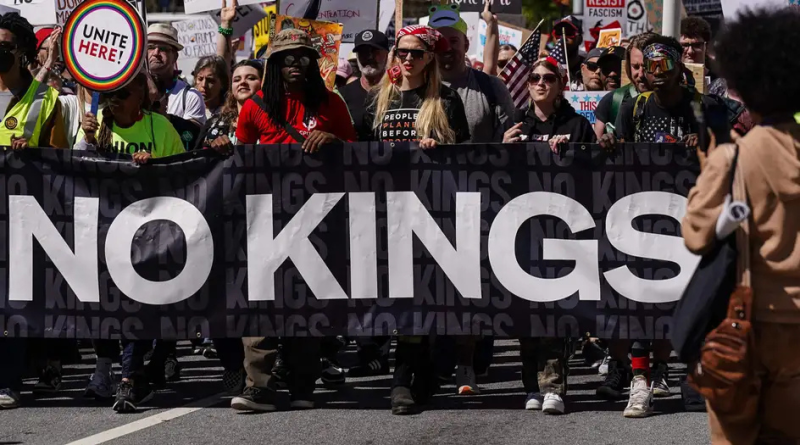
No Kings Protests: Massive Anti-Trump Rallies Sweep US
The No Kings protests have erupted across the United States, drawing millions of demonstrators into the streets in one of the largest coordinated political movements in recent American history. Organized as a nationwide response to policies under Donald Trump, the protests reflect growing concerns over democracy, executive power, and civil rights.
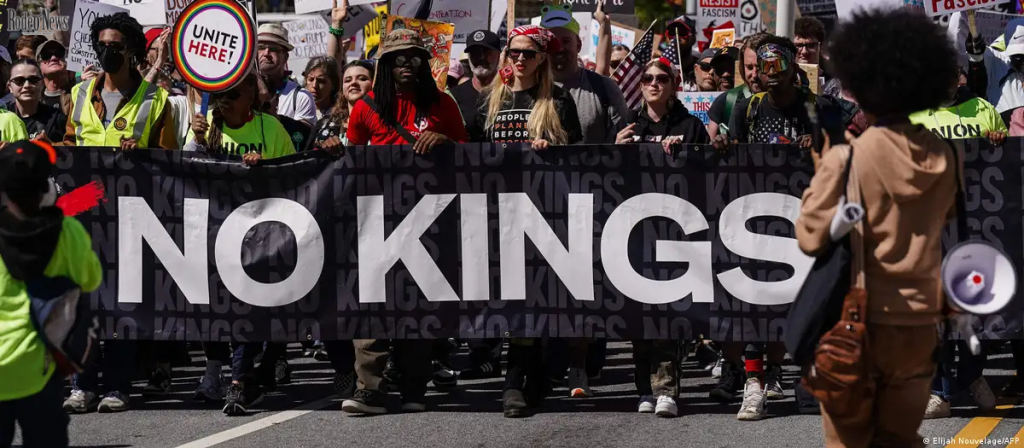
Held on March 28, 2026, the demonstrations spanned all 50 states, with more than 3,000 rallies taking place in cities, towns, and rural communities. From New York to Los Angeles, and even internationally, the message was clear: opposition to what many protesters describe as authoritarian leadership.
A Nationwide Wave of Protest
The scale of the No Kings protests is unprecedented. Organizers reported over 3,200 events nationwide, marking the third major mobilization of the movement. Participation surged not only in major metropolitan areas but also in smaller communities, where turnout increased significantly compared to earlier protests.
In cities like New York, Washington, and Philadelphia, tens of thousands gathered, filling streets with banners, chants, and speeches. Meanwhile, in smaller towns, first-time demonstrators joined the movement, signaling a broader geographic spread of political activism.
According to reports, this wave of protests may represent one of the largest coordinated demonstrations in U.S. history, with millions taking part across the country.
What Are the “No Kings” Protests About?
At its core, the No Kings protests are driven by concerns over what demonstrators see as increasing authoritarianism in government. The slogan “No Kings” reflects a rejection of centralized power and a call to uphold democratic values.
Protesters voiced opposition to several key issues, including:
- Aggressive immigration enforcement policies
- Military actions abroad, particularly tensions involving Iran
- Economic concerns such as inflation and cost of living
- Restrictions on civil liberties and reproductive rights
While the movement does not center on a single issue, its unifying theme is resistance to perceived executive overreach.
Many participants emphasized that the protests are about defending democratic institutions rather than supporting any one political party.
Major Cities See Massive Turnout
Some of the largest gatherings took place in major urban centers. In New York City, crowds stretched for blocks, with demonstrators carrying signs and chanting pro-democracy slogans.
In Minnesota’s Twin Cities, which served as a focal point of the protests, organizers estimated that around 200,000 people attended a flagship rally.
High-profile figures also joined the demonstrations. Senator Bernie Sanders addressed crowds, while actor Robert De Niro warned that the current political climate poses a serious threat to democratic freedoms.
These appearances helped amplify the movement’s message and draw national attention.
Grassroots Movement Gains Momentum
The No Kings protests are largely driven by grassroots organizations, including coalitions like Indivisible and the broader 50501 movement. These groups have been organizing protests since 2025, steadily building momentum through nationwide campaigns.
What sets this movement apart is its decentralized structure. Rather than relying on a single leader or organization, local groups coordinate events independently while sharing a common message.
This approach has allowed the protests to expand rapidly, reaching communities that traditionally see less political activism.
International Solidarity
The movement is not limited to the United States. Demonstrations also took place in multiple countries, including cities across Europe and Asia.
Protesters abroad expressed solidarity with American demonstrators, highlighting global concerns about democratic backsliding and authoritarian trends.
This international dimension underscores the broader significance of the protests, framing them as part of a global conversation about governance and civil rights.
Tensions and Clashes Reported
Despite organizers emphasizing nonviolence, some protests saw tensions between demonstrators and counter-protesters. In cities like Dallas and Los Angeles, minor clashes led to arrests and injuries.
Authorities reported isolated incidents of violence, but the majority of protests remained peaceful. Organizers had trained participants in de-escalation techniques to prevent confrontations.
Still, the presence of counter-protest groups highlights the deep political divisions within the United States.
Political Reactions and Criticism
The No Kings protests have sparked strong reactions from both supporters and critics.
Democratic leaders and activists praised the demonstrations as a powerful expression of civic engagement and a defense of democratic values. Many see the protests as a sign of renewed political awareness ahead of upcoming elections.
On the other hand, Republican officials criticized the rallies, describing them as driven by partisan interests or extremist groups.
The White House has also dismissed the protests, arguing that they do not represent the views of the broader population.
Why the Protests Matter
The significance of the No Kings protests extends beyond the immediate political moment. They reflect deeper societal tensions and a growing willingness among Americans to engage in public demonstrations.
Several factors contribute to their importance:
1. Scale and Participation
The sheer number of participants signals widespread dissatisfaction and mobilization across diverse communities.
2. Geographic Reach
The expansion into smaller towns indicates that political activism is no longer confined to major cities.
3. Diverse Issues
By addressing multiple concerns—from immigration to economic policy—the protests bring together a broad coalition of participants.
4. Timing
With elections approaching, the protests could influence voter sentiment and political strategy.
A Movement With Uncertain Outcomes
While the No Kings protests have demonstrated significant momentum, their long-term impact remains unclear.
Some analysts believe the movement could shape political discourse and influence election outcomes. Others argue that sustained change will depend on whether organizers can translate protest energy into concrete political action.
What is certain, however, is that the protests have already reshaped the national conversation.
Conclusion
The No Kings protests represent a powerful moment in American political life. With millions taking part across thousands of events, the movement highlights deep divisions and growing concerns about leadership, democracy, and the future of the nation.
As the United States moves closer to its next election cycle, the energy generated by these protests may continue to influence public opinion and political engagement.
Whether they lead to lasting change or remain a snapshot of a turbulent moment, one thing is clear: the voices behind the No Kings protests are impossible to ignore.