Figure AI Robot Revealed: 5 Powerful Moments with Melania Trump
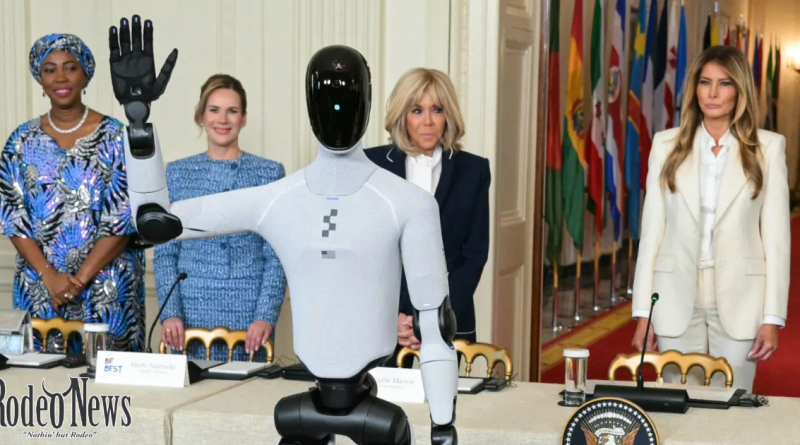
The Figure AI robot captured global attention after appearing alongside Melania Trump at a historic White House event, signaling a new chapter in the evolution of humanoid robotics and artificial intelligence.
The moment was more than symbolic. It highlighted how companies like Figure AI are pushing boundaries in what many experts call the next major technological revolution: physical AI—machines that not only think but act in the real world.
Below are five powerful takeaways from this landmark event and what they reveal about the future.
1. A Historic First for the Figure AI Robot
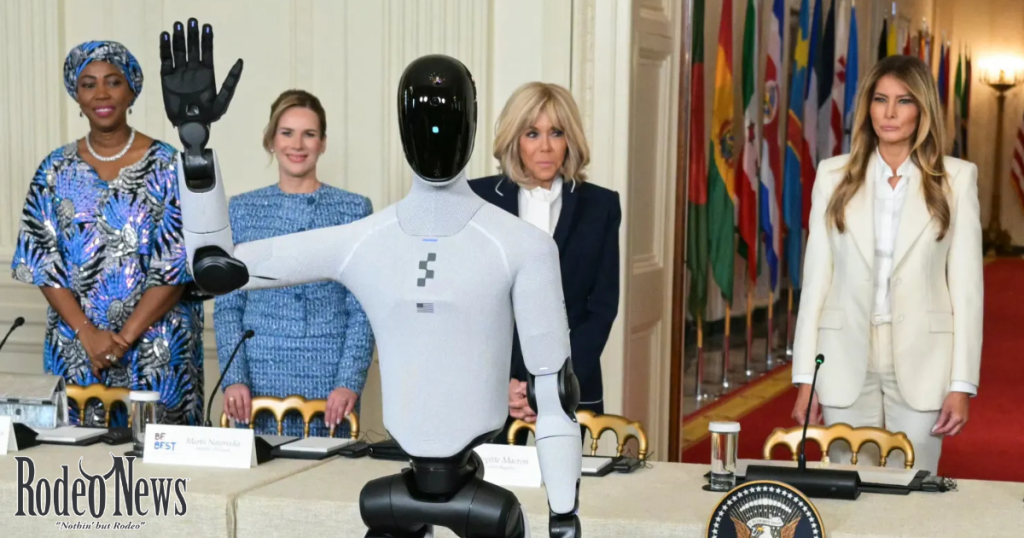
The appearance of the Figure AI robot—known as Figure 03—marked the first time an American-made humanoid robot was formally introduced at the White House.
During the global “Fostering the Future Together” summit, the robot walked alongside Melania Trump and even addressed attendees. It greeted the audience in multiple languages, demonstrating not just mobility but advanced communication capabilities.
This moment symbolized a shift from experimental robotics to real-world application. Unlike traditional AI confined to screens, the Figure AI robot represents a tangible, interactive system capable of assisting humans in everyday environments.
Moreover, the robot’s presence reinforced the growing role of robotics in policy discussions, education, and global innovation.
2. The Vision: AI-Powered Education
One of the central themes of the event was education. Melania Trump emphasized how humanoid robots could transform the way children learn.
According to her remarks, AI-powered robots could deliver personalized, emotionally responsive instruction, adapting to each student’s needs.
This vision goes beyond current digital tools. Instead of laptops or tablets, future classrooms could feature humanoid assistants capable of:
- Teaching multiple subjects in real time
- Adjusting lessons based on student performance
- Providing constant, patient guidance
The idea is both ambitious and controversial. While proponents see a revolution in accessibility and quality of education, critics warn about over-reliance on machines and reduced human interaction.
Nevertheless, the Figure AI robot stands at the center of this debate.
3. What Makes the Figure AI Robot Different
Unlike many earlier robots, the Figure AI robot is designed to operate in human environments. That means it can perform tasks such as:
- Cleaning
- Organizing objects
- Assisting with household chores
These capabilities place it in direct competition with other major robotics efforts, including projects from tech giants like Tesla and Boston Dynamics.
What sets Figure AI apart is its focus on creating a commercially viable humanoid robot—one that can be widely deployed across industries.
The Figure 03 model is already being positioned as a multi-purpose assistant, bridging the gap between industrial robots and everyday human needs.
4. The Rise of Physical AI and Billion-Dollar Competition
The Figure AI robot is part of a broader trend often referred to as “physical AI.” This movement aims to bring artificial intelligence into the physical world, allowing machines to perform real-world tasks autonomously.
Tech leaders and investors see this as a massive opportunity. In fact, some analysts believe humanoid robotics could become one of the largest markets in history.
Major players are entering the race:
- Tesla is developing humanoid robots for labor tasks
- Nvidia is investing heavily in AI infrastructure
- Startups like Figure AI are focusing on practical deployment
This competition is accelerating innovation at an unprecedented pace.
However, it also raises critical concerns about job displacement, economic inequality, and the future of human labor.
5. Public Reaction: Fascination and Concern
The appearance of the Figure AI robot generated a wide range of reactions.
On one hand, many observers were impressed by its lifelike movements and multilingual capabilities. The moment was widely shared online, sparking excitement about the future of robotics.
On the other hand, some critics described the scene as unsettling, highlighting how quickly technology is advancing.
Additionally, viral moments—such as unscripted interactions during the event—shifted attention away from the core message, illustrating how public perception can shape the narrative around emerging technologies.
This dual response reflects a broader societal tension: enthusiasm for innovation paired with uncertainty about its consequences.
The Bigger Picture: Why This Matters
The Figure AI robot is not just a technological achievement—it represents a turning point.
For decades, AI has existed primarily in software. Now, it is entering the physical world, where it can directly interact with people and environments.
This shift has profound implications:
1. Redefining Work
Humanoid robots could automate tasks that currently require human labor, from manufacturing to caregiving.
2. Transforming Education
AI tutors could make high-quality education accessible worldwide, especially in underserved regions.
3. Changing Human-Machine Interaction
As robots become more human-like, the way we interact with technology will fundamentally change.
Challenges Ahead
Despite its promise, the rise of the Figure AI robot also presents significant challenges.
Ethical Concerns
Questions about privacy, autonomy, and decision-making remain unresolved.
Economic Impact
Automation could disrupt labor markets, particularly in sectors reliant on manual work.
Technical Limitations
While impressive, current humanoid robots still struggle with complex, unpredictable environments.
Experts caution that widespread adoption will require careful regulation and collaboration between governments and technology companies.
What Comes Next for Figure AI
Figure AI is positioning itself as a key player in the future of robotics.
The company aims to develop humanoid robots that are not only advanced but also scalable and affordable. If successful, this could accelerate the integration of robots into everyday life.
Future developments may include:
- Improved mobility and dexterity
- Enhanced emotional intelligence
- Broader commercial applications
As the technology matures, the line between science fiction and reality continues to blur.
Conclusion
The debut of the Figure AI robot alongside Melania Trump marks a defining moment in the evolution of artificial intelligence.
It is a glimpse into a future where robots are not just tools but collaborators—teaching, assisting, and potentially reshaping society.
While challenges remain, one thing is clear: the age of humanoid robotics is no longer a distant vision. It is already here.