Stock Market Today: 5 Shocking Moves Rock Wall Street
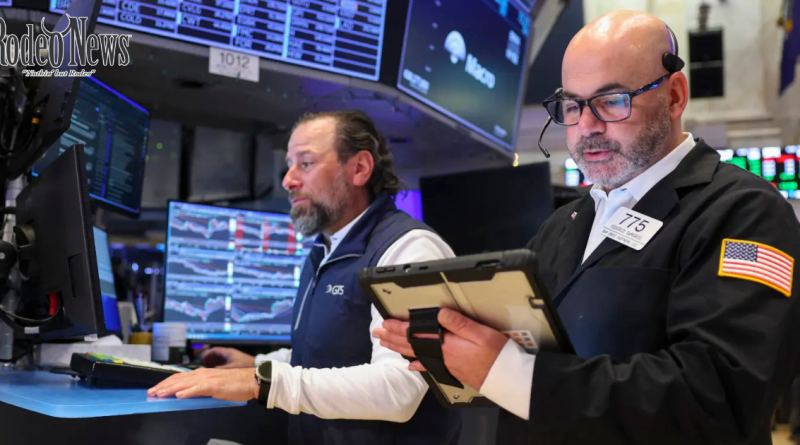
The stock market today delivered a wave of volatility that left investors cautious, as major U.S. indexes slipped under pressure from rising oil prices, geopolitical tensions, and mixed economic signals.
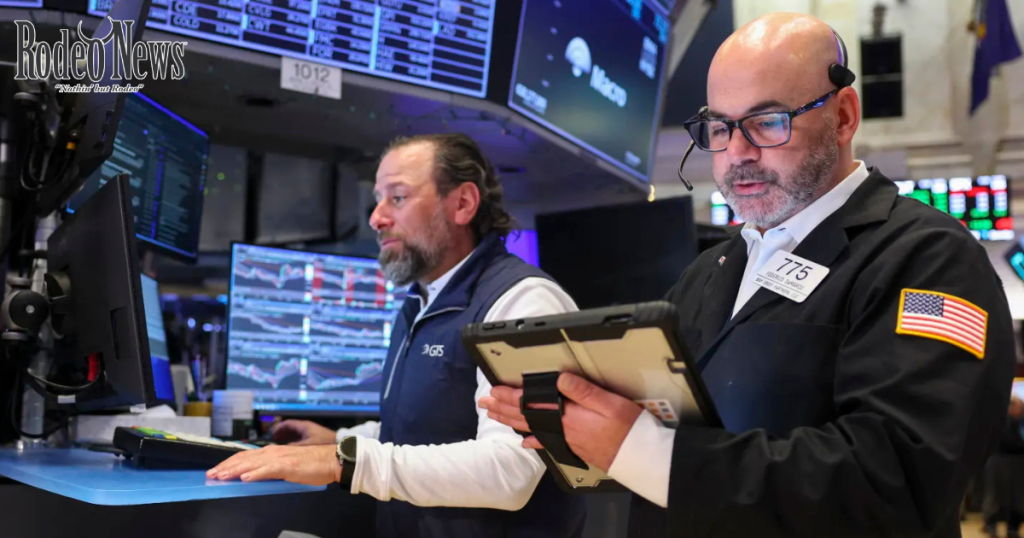
Despite early optimism, markets reversed course throughout the session, reflecting growing uncertainty across global financial systems. The Dow Jones Industrial Average, S&P 500, and Nasdaq Composite all closed lower, signaling that investors remain highly sensitive to macroeconomic and geopolitical developments.
This article breaks down the five biggest moves shaping the stock market today, along with what they mean for investors moving forward.
1. Major Indexes Turn Negative Again
Wall Street ended the day in the red, reversing gains from the previous session.
- Dow Jones fell about 0.2%
- S&P 500 dropped roughly 0.4%
- Nasdaq declined nearly 0.8%
This pullback reflects a broader pattern seen in recent weeks: sharp gains followed by equally sharp reversals. Meanwhile, smaller-cap stocks showed resilience, with the Russell 2000 managing modest gains.
The mixed performance suggests that investors are rotating assets rather than exiting the market entirely.
2. Oil Prices Surge and Shake Confidence
One of the biggest drivers of the stock market today was the sharp rise in oil prices.
- U.S. crude jumped above $90 per barrel
- Brent crude surged past $100
This spike comes amid escalating tensions in the Middle East, which has raised concerns about potential supply disruptions.
Higher oil prices typically increase inflation pressure and reduce corporate profit margins. As a result, sectors like transportation and technology often struggle when energy costs rise rapidly.
3. Geopolitical Tensions Continue to Drive Volatility
Global markets remain heavily influenced by geopolitical developments, particularly ongoing conflict involving Iran.
Reports of missile strikes and escalating military activity have dampened investor sentiment, offsetting earlier optimism about possible diplomatic solutions.
Additionally, concerns that more countries could become involved in the conflict have intensified uncertainty.
As a result, investors are finding it difficult to identify safe-haven assets, a situation that has added to market instability.
4. Rising Bond Yields Add Pressure
Another key factor affecting the stock market today is the rise in U.S. Treasury yields.
Higher yields often signal expectations of persistent inflation and tighter financial conditions. They also make bonds more attractive compared to equities, leading to capital outflows from stocks.
At the same time, a weak Treasury auction raised concerns about demand for U.S. government debt, further unsettling investors.
This combination of rising yields and weak demand is particularly concerning for growth stocks, which rely heavily on future earnings projections.
5. Economic Data Signals Slowing Momentum
Fresh economic data added another layer of concern.
Recent reports indicate that U.S. private sector activity has slowed to its lowest level in nearly a year.
Similar trends are being observed globally:
- Eurozone activity has weakened
- UK growth has slowed
- Global demand signals are softening
This slowdown raises fears that economic growth may not be strong enough to support current market valuations.
Sector Winners and Losers
Even in a declining market, certain sectors and stocks stood out.
Winners
- Energy stocks benefited from rising oil prices
- Some industrial and small-cap stocks showed resilience
Losers
- Technology stocks led the decline
- Software companies faced notable selling pressure
- High-growth stocks struggled amid rising yields
This divergence highlights how sector rotation continues to shape the stock market today.
Why Investors Are Feeling Uncertain
Several overlapping factors are driving uncertainty:
- Geopolitical instability
- Rising inflation pressures
- Higher interest rates
- Slowing economic growth
These forces are creating a complex environment where traditional market patterns are less reliable.
Analysts note that there is currently no single “safe haven” asset, making it harder for investors to hedge risk effectively.
What This Means for the Global Economy
The implications of the stock market today extend beyond Wall Street.
- Higher oil prices can impact global supply chains
- Slower economic growth may affect emerging markets
- Increased volatility could reduce investor confidence worldwide
Meanwhile, central banks are closely monitoring inflation trends and may adjust policies accordingly.
Investor Strategies in a Volatile Market
In times like these, investors typically adjust their strategies to manage risk.
1. Diversification
Spreading investments across sectors can reduce exposure to sudden market swings.
2. Focus on Defensive Stocks
Utilities, healthcare, and consumer staples often perform better during uncertain periods.
3. Monitor Interest Rates
Keeping an eye on bond yields can provide insight into future market direction.
4. Stay Informed
Real-time updates and credible financial news sources are crucial for making informed decisions.
For more market insights, visit
👉 https://www.cnbc.com
And for additional financial analysis, check
👉 https://yourwebsite.com/market-insights
Outlook: What Comes Next?
Looking ahead, the direction of the stock market today will largely depend on three key factors:
1. Geopolitical Developments
Any escalation—or resolution—of Middle East tensions could significantly impact oil prices and investor sentiment.
2. Inflation Trends
If inflation remains elevated, central banks may maintain tighter monetary policies.
3. Economic Data
Upcoming reports on employment, consumer spending, and manufacturing will provide further clues about economic health.
Final Thoughts
The stock market today reflects a market caught between optimism and uncertainty.
While underlying economic resilience remains, external pressures—particularly geopolitical tensions and rising energy prices—are creating significant headwinds.
For investors, this environment demands caution, flexibility, and a long-term perspective.
Markets may continue to experience sharp swings, but these periods also create opportunities for those who stay informed and disciplined.