Trump’s Oval Office Press Conferences Fade as Diplomatic Spotlight Shifts
WASHINGTON — President Donald Trump’s once-frequent and highly visible Oval Office press conferences with visiting foreign leaders have all but disappeared from the White House calendar, signaling a notable shift in one of the most unconventional elements of his presidential communication strategy.
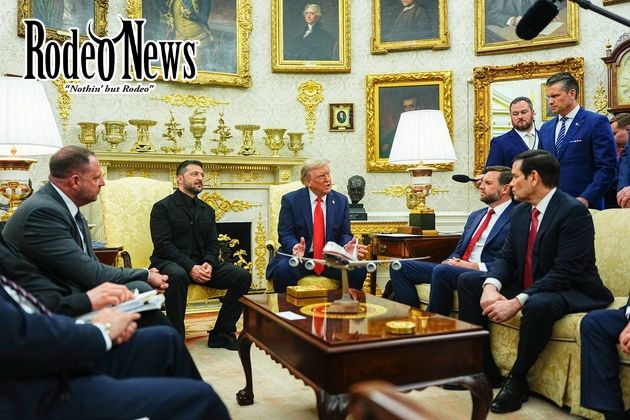
What had become a defining feature of Trump’s relationship with international counterparts — public, often unpredictable press sessions immediately following diplomatic meetings — has largely stopped, according to multiple sources familiar with planning at the White House. Diplomats and aides say the change reflects both foreign leaders’ reluctance to subject themselves to the live-questioning format and a strategic recalibration within the administration.
The Rise and Fall of the Oval Office Show
When Trump returned to the White House for a second presidential term, his approach to hosting world leaders diverged sharply from recent tradition. In many cases, bilateral talks concluded with press-friendly events inside the Oval Office that would draw international scrutiny. During those appearances, Trump frequently took unfiltered questions on a wide range of issues — from trade disputes to global conflict — putting visiting leaders on the spot in front of cameras and reporters.
That approach offered highly performative moments that drew global attention but also presented diplomatic risks, particularly when leaders were unprepared for intense questioning or contrasting policy remarks live on camera.
Diplomats say that in recent months, several delegations arranging visits to Washington have explicitly asked that those press gatherings not take place. In many cases, leaders and their teams have expressed concern that the format leaves too much room for off-the-cuff exchanges that divert from carefully negotiated policy discussions, according to people familiar with internal White House planning.
International Sensitivities and Strategic Shifts
Foreign representatives have increasingly balked at the format. One European official told reporters that the public spectacles were “too easy for something to go wrong,” underscoring the tightrope many diplomats now walk when engaging in bilateral conversations with the U.S. president.
According to a White House official granted anonymity to discuss the matter candidly, Trump has acquiesced to these requests, agreeing to hold press availability only when visiting delegations are comfortable with the format. That has led to a string of meetings that proceed entirely behind closed doors, with press briefings handled from other settings — such as outside the West Wing or in formal press rooms — rather than in the Oval Office itself.
Trump still engages with the press regularly, especially during travel or when departing aboard Air Force One. But the spectacle of high-profile press interrogations alongside foreign leaders — which characterized many visits last year — has ebbed.
A High-Profile Example: Merz Visit
The shift comes as German Chancellor Friedrich Merz prepares for a meeting with Trump on Tuesday in Washington. The visit, scheduled amid fresh global tensions after recent U.S. and Israeli strikes in Iran, is expected to be conducted largely behind closed doors, with no major Oval Office press event planned. Analysts say this reflects both practical considerations given the sensitive context and a conscious choice to avoid the unpredictability of an open-ended news conference.
Merz’s visit is the first by a European leader since the Iranian strikes that killed the country’s Supreme Leader and other top officials, an event that has ripple effects across global diplomacy and economy. In that context, the lack of a public press centerpiece underscores how the Trump administration is adjusting its use of public diplomacy to suit both domestic and international expectations.
Strategic Recalibration or Retreat?
Inside the White House, aides acknowledge that the shift is partly tactical. While Oval Office press conferences can yield significant media coverage, they also exposed visiting leaders to intense scrutiny and occasionally overshadowed intended diplomatic messaging, sources say. By limiting those sessions, the administration hopes to emphasize substantive negotiations over theatrical sound bites — even as Trump continues to draw significant attention through other channels.
Critics, however, argue the change also reflects deeper concerns about Trump’s communication strategy and his handling of complex global issues, particularly as tensions with Iran and other strategic rivals intensify. They contend that the absence of high-profile press interactions could widen the perception of a less transparent administration at a moment when clarity and leadership are in high demand.
For now, the era of show-style Oval Office press conferences with visiting leaders — a signature feature of Trump’s earlier foreign engagements — appears to have dimmed, replaced by a quieter, more controlled diplomatic cadence that reflects both concern for optics and an evolving communication strategy in a highly charged global environment.