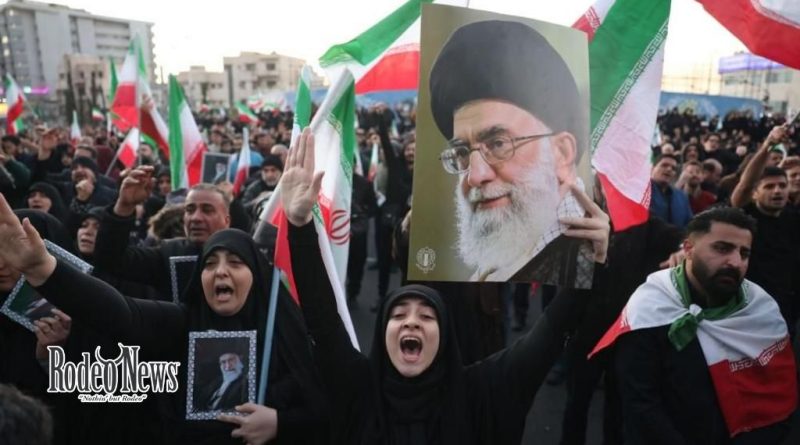
Iran and Israel Escalate Military Strikes After Death of Supreme Leader
Tehran, Iran — Tensions across the Middle East have entered a dangerous new phase after Iran’s Supreme Leader Ayatollah Ali Khamenei was killed in joint United States–Israeli military strikes, prompting fresh waves of retaliatory attacks from Tehran against Israeli and U.S. forces across the region.
The dramatic escalation marks one of the most consequential confrontations between Iran and Israel in decades and has drawn global alarm as bombardments continue into a second day.
Operation Epic Fury Continues
Israel confirmed another broad wave of airstrikes deep inside central Tehran and beyond on Sunday, saying it was targeting ballistic missile sites, air defenses, and other strategic military infrastructure. The Israeli Air Force says many targets remain to be hit as heavy strikes persist.
U.S. officials, including President Donald Trump, have indicated that bombing will continue “uninterrupted throughout the week or as long as necessary,” underscoring a sustained joint campaign.
Iranian Retaliation Intensifies
Iran’s elite Islamic Revolutionary Guard Corps (IRGC) has vowed revenge and launched multiple waves of missile and drone attacks against Israeli positions and U.S. military assets stationed across the Gulf region, including bases in Kuwait, Bahrain, and Iraq, according to security reports.
Explosions have also been reported within Israel itself, with at least one soldier moderately injured amid relentless Iranian offensive operations.
Crisis Deepens After Khamenei’s Death
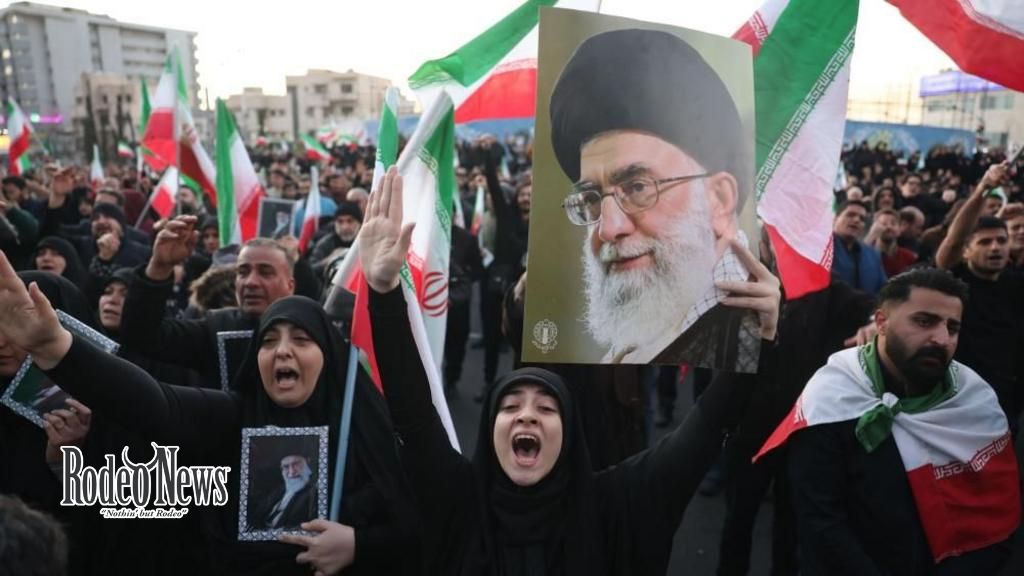
The conflict’s latest flashpoint followed the confirmed death of Ayatollah Ali Khamenei, who had led Iran since 1989. Iran’s clerical establishment announced a 40-day national mourning period, and President Masoud Pezeshkian condemned the strikes as “a great crime.”
Senior Iranian leaders — including IRGC commanders and key officials — are also reported killed in the strikes.
Global Responses and Regional Alarm
World capitals have reacted sharply. Some regional governments have closed airspace, and diplomatic efforts — including emergency talks among Gulf Cooperation Council states and at the United Nations — aim to curb further escalation.
International concern centers on the potential for a wider regional war and disruptions to global oil markets. Oil producers are already adjusting output in response to market volatility.
What Comes Next
With both sides digging in, experts warn that the crisis could widen beyond Iran’s borders. The prospect of sustained conflict involving U.S. forces and Israeli military operations risks drawing in neighboring states and allied powers.
As of this writing:
- Iran continues missile and drone assaults on Israeli and U.S. targets.
- Israel maintains concentrated bombing campaigns deep in Iranian territory.
- Markets and global governments brace for fallout.
This situation remains highly volatile and rapidly evolving.