US Evacuates Embassy Staff from Lebanon as Iran Tensions Escalate
By Global Affairs Desk
February 23, 2026
The United States has ordered the evacuation of dozens of non-essential personnel from its embassy in Lebanon, citing rising regional tensions and the need to safeguard American staff as diplomatic and military pressures mount against Iran.
Officials confirmed Monday that between 30 and 50 personnel have departed from the US Embassy in Beirut in what the State Department described as a “prudent” and temporary measure. The drawdown comes amid a significant US military buildup in the Middle East, fueling speculation that Washington may be preparing contingency plans for a potential confrontation with Tehran.
State Department Calls Move “Prudent”
A senior State Department official said the decision followed a comprehensive security review.
“The Department of State has ordered the departure of non-emergency US government personnel and eligible family members from US embassy Beirut,” the official said. “We continuously assess the security environment, and based on our latest review, we determined it prudent to reduce our footprint to essential personnel.”
Despite the reduction, the embassy remains operational with core diplomatic staff continuing their work.
The evacuation was conducted through Beirut’s main international airport, reflecting what US officials privately described as precautionary steps against possible retaliation if tensions with Iran escalate.
Talks Continue in Geneva
The diplomatic withdrawal unfolds just days before the United States and Iran are set to hold a third round of indirect nuclear negotiations in Geneva.
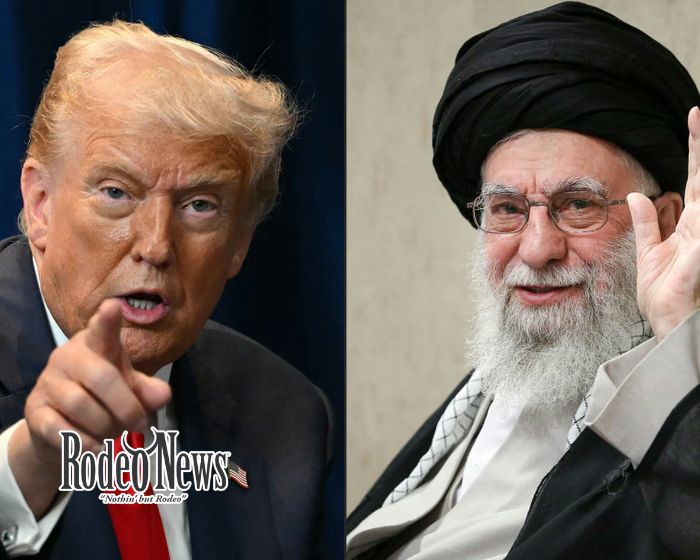
President Donald Trump has repeatedly emphasized his demand for a “meaningful deal” that would permanently halt Iran’s ability to develop a nuclear weapon. He has warned that failure to reach an agreement could result in severe consequences.
Washington insists diplomacy remains the preferred path. Yet the parallel military buildup suggests preparations are underway should negotiations collapse.
Military Buildup Raises Stakes
The US has deployed two aircraft carriers to the region, alongside dozens of warplanes, combat vessels and surveillance aircraft. Among them is the USS Gerald R. Ford, which recently arrived in Souda Bay, Crete, positioning itself within operational range of potential flashpoints.
Defense officials describe the deployment as the largest concentration of US military power in the region since the lead-up to the Iraq war.
Iran, for its part, has conducted joint military drills with Russia in recent days, testing advanced anti-ship missile systems capable of threatening traffic through the Strait of Hormuz — a critical artery for global energy shipments.
Risk of Retaliation
US officials have privately acknowledged concerns that Iran could retaliate against American interests in the region. Potential responses could include missile strikes targeting US embassies and military installations or attacks conducted through allied militias.
Lebanon presents particular sensitivity. The powerful Iran-backed group Hezbollah operates extensively there, and US diplomatic facilities are considered potential targets in any wider confrontation.
The evacuation mirrors previous US actions in times of heightened threat. In 2025, Washington temporarily reduced staff at embassies in Iraq, Bahrain, and Kuwait before carrying out strikes on Iranian uranium enrichment facilities and other nuclear-linked sites.
Syria Drawdown Adds to Regional Shift
Separately, reports indicate the US has begun withdrawing some military personnel from bases in Syria. While the Trump administration denies a direct link between the Syria drawdown and possible operations against Iran, analysts note that repositioning troops reduces vulnerability to retaliatory attacks.
The broader regional posture suggests a strategy designed to minimize risk to American personnel while preserving operational flexibility.
Frustration in Washington
Steve Witkoff, President Trump’s special envoy leading negotiations with Iran, publicly questioned Tehran’s stance over the weekend.
In an interview aired on Fox News, Witkoff suggested the president was puzzled by Iran’s resistance to what Washington considers a straightforward diplomatic resolution.
“I don’t want to use the word frustrated,” Witkoff said, “but he’s curious why they haven’t capitulated.”
He added that with significant US naval and air power already deployed, the administration believes Tehran faces strong incentives to compromise.
A Region on Edge
The convergence of diplomacy and deterrence has left the region in a delicate balance. On one hand, talks in Geneva offer a potential off-ramp. On the other, the visible military buildup and embassy evacuations signal that Washington is preparing for the possibility that negotiations could fail.
For now, US officials emphasize that the embassy reduction is temporary and precautionary. But the move underscores how fragile the situation has become — and how quickly it could shift.
As diplomats prepare for another round of nuclear discussions, both sides face a narrowing window to prevent tensions from spilling into open conflict.