El Mencho Killed in Military Operation, Triggering Nationwide Cartel Violence
Mexico’s most wanted man, Nemesio Oseguera Cervantes, widely known as “El Mencho,” has died following a high-stakes military operation in western Mexico, authorities confirmed Sunday, marking a watershed moment in the country’s long-running war against organized crime.
The 59-year-old leader of the Jalisco New Generation Cartel (CJNG) succumbed to injuries sustained during a violent confrontation between Mexican armed forces and cartel gunmen in the town of Tapalpa, located in Jalisco.
According to Mexico’s defense ministry, Oseguera Cervantes was seriously wounded during clashes and died while being transported under heavy security to Mexico City.
The operation, described as “planned and executed” by elite special forces units, was reportedly aided by intelligence shared by the United States. Mexican Air Force aircraft and National Guard units were deployed, and authorities seized armored vehicles and high-powered weapons, including rocket launchers.
Cartel Retaliation Sparks Widespread Unrest
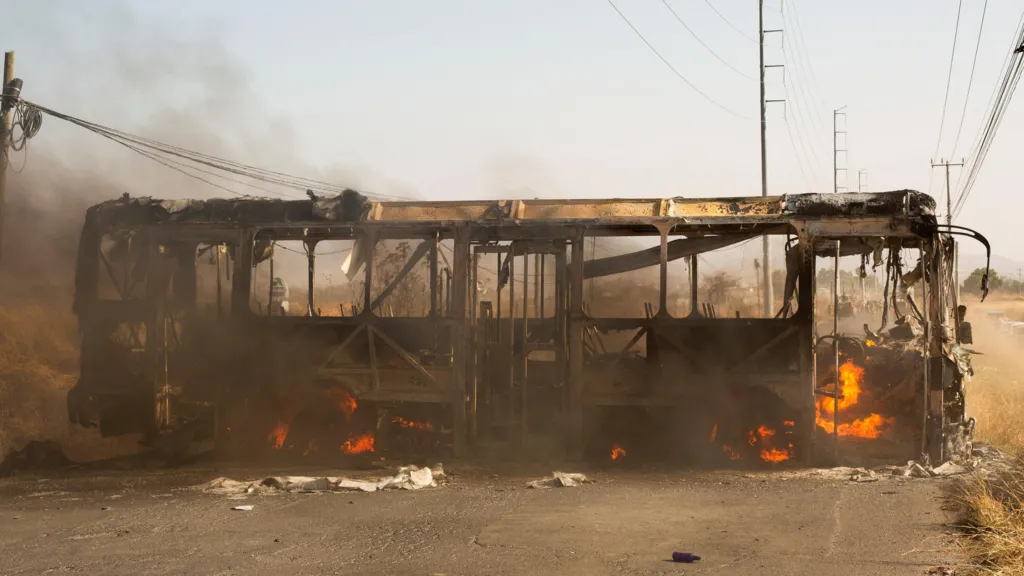
Within hours of the announcement, CJNG launched a wave of coordinated retaliation across at least eight Mexican states. Vehicles were set ablaze, highways were blocked, and security forces came under attack in multiple regions.
Dramatic footage shared online showed thick plumes of smoke rising above Guadalajara, one of the host cities for the upcoming FIFA World Cup.
In the coastal tourist destination of Puerto Vallarta, thousands of visitors were effectively stranded as unrest disrupted transportation networks. Flights operated by United Airlines, American Airlines, and Air Canada were cancelled amid security concerns.
The governor of Jalisco, Pablo Lemus Navarro, urged residents to remain indoors under a “code red” advisory, while public transportation across parts of the state was suspended.
The U.S. Department of State issued a shelter-in-place alert for American citizens in Jalisco and Tamaulipas, as well as selected areas of Michoacán, Guerrero and Nuevo León.
A Major Victory for President Sheinbaum
President Claudia Sheinbaum called for calm, saying that “in most parts of the country, activities are proceeding normally.”
For Sheinbaum, who took office pledging a strategic recalibration in Mexico’s fight against drug cartels, the death of El Mencho represents a significant political and security milestone. CJNG has long been considered one of the most violent and sophisticated criminal organizations operating in the Western Hemisphere.
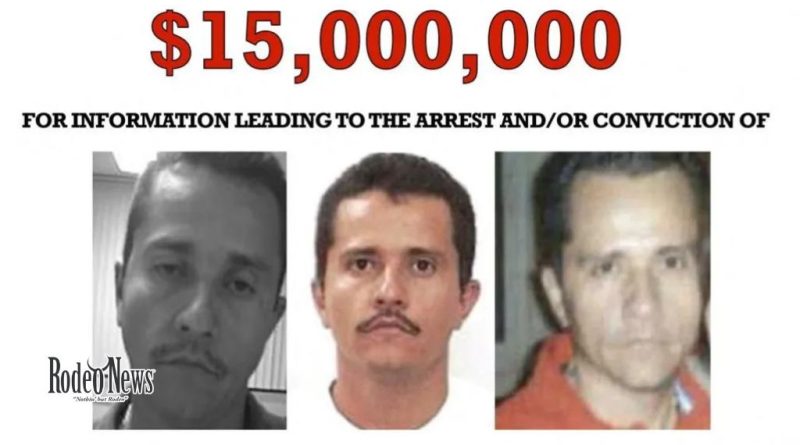
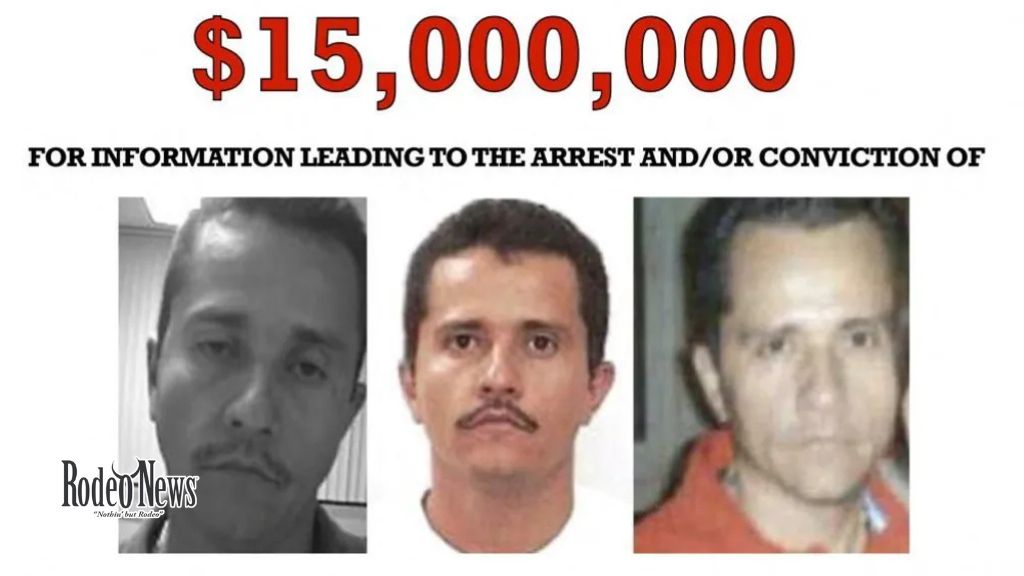
Oseguera Cervantes, a former police officer turned cartel kingpin, built CJNG into a global trafficking empire responsible for shipping massive quantities of cocaine, methamphetamine, and fentanyl into the United States. Washington had placed a $15 million reward on his capture.
The US Department of State and the Drug Enforcement Administration had both classified CJNG as a top transnational criminal threat, rivaling the influence of the Sinaloa Cartel, historically one of Mexico’s most powerful trafficking organizations.
Former U.S. ambassador to Mexico Christopher Landau described El Mencho as “one of the bloodiest and most ruthless drug kingpins,” calling his death “a great development for Mexico, the US, Latin America, and the world.”
US-Mexico Security Tensions in Focus
The operation may also recalibrate security relations between Mexico and the United States.
Earlier this year, U.S. President Donald Trump signaled a tougher posture toward Mexican cartels, suggesting that operations could extend beyond maritime drug interdictions to actions “on land.” His remarks sparked diplomatic sensitivities in Mexico, where sovereignty concerns remain politically potent.
President Sheinbaum responded at the time by stating that any deployment of U.S. troops on Mexican soil was “not on the table.”
Still, cooperation between the two governments has intensified, particularly as fentanyl continues to drive record overdose deaths in the United States.
Since October 2024, U.S. Customs and Border Protection has seized approximately 9,200 pounds (4,182 kilograms) of fentanyl, with 96% intercepted along the southwest border with Mexico. Less than 1% was seized along the northern border with Canada, underscoring Mexico’s central role in the synthetic opioid supply chain.
CJNG has been identified as a major producer and distributor of fentanyl, generating billions in revenue through trafficking networks that stretch across North America.
The Violent Legacy of CJNG
Founded in 2010 in Jalisco, CJNG rapidly expanded its footprint nationwide. The group became notorious for brazen attacks against security forces, including downing a military helicopter with a rocket-propelled grenade and targeting public officials.
Bodies have been hung from bridges. Convoys of armored vehicles have rolled through city streets in displays of force. The cartel’s tactics were designed not only to eliminate rivals but to intimidate the state itself.
Four CJNG members were killed in Sunday’s confrontation, and three Mexican soldiers were wounded, authorities said.
Security analysts warn that while the death of El Mencho disrupts the cartel’s command structure, it could also ignite internal power struggles or further violence as factions compete for control.
A Turning Point — or a New Chapter?
The killing of Mexico’s most wanted fugitive is undoubtedly a symbolic victory for the government. Yet history suggests that dismantling cartel leadership does not automatically dissolve criminal networks.
As smoke cleared from burning vehicles in Guadalajara and tourists waited for flights out of Puerto Vallarta, the immediate question was not only whether CJNG could survive without its founder — but whether Mexico’s security forces can prevent a prolonged surge in violence.
For President Sheinbaum, the coming days may determine whether the death of El Mencho marks a decisive turning point in Mexico’s fight against organized crime — or the beginning of another volatile chapter.