Olympic Icons Alysa Liu and Eileen Gu Face Uncomfortable Comparisons at Milano Cortina 2026
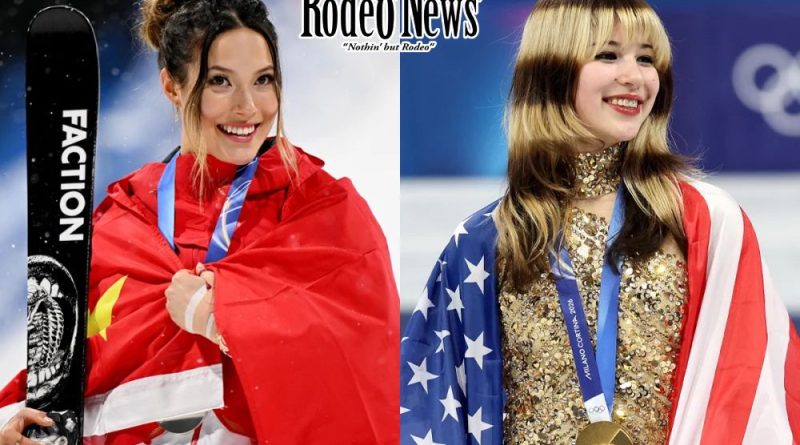
MILAN CORTINA, Italy — As the 2026 Winter Olympics reach their closing stages, two of the Games’ most celebrated competitors — American figure skating champion Alysa Liu and freestyle skiing star Eileen Gu — are confronting intense media contrasts that extend beyond their performances on ice and snow.
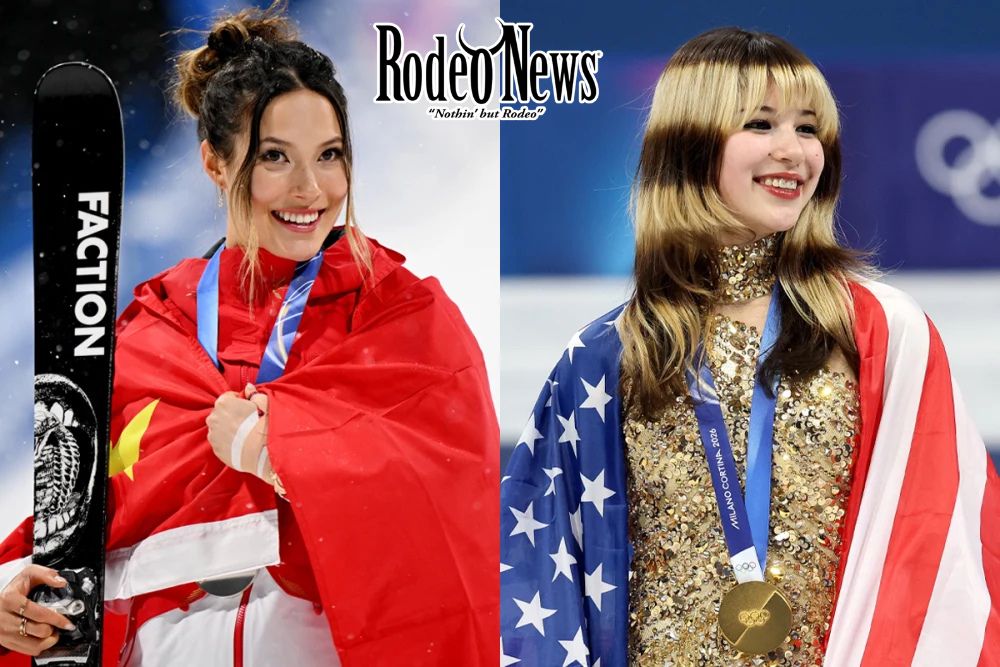
Liu and Gu, both born in the United States but rising to global prominence on vastly different paths, have become symbols of achievement for their respective sports — and targets for comparison by commentators, fans and critics alike.
Liu’s Historic Victory, Personal Narrative
At 20 years old, Alysa Liu delivered one of the defining moments of the Milan Cortina Games by capturing the gold medal in women’s figure skating, ending a 24-year drought for the United States in the discipline. Her total score of 226.79, delivered in a compelling free skate performance, narrowly eclipsed Japan’s Kaori Sakamoto and Ami Nakai for the top podium spot.
Liu had turned heads well before her Olympic success. After competing at her first Olympics in 2022 and finishing sixth, she briefly retired from competition, citing burnout. During her hiatus, she enrolled at the University of California, Los Angeles, and returned to elite skating in 2024 with a renewed focus on performance and personal expression.
Her unexpected comeback culminated in not just individual gold but also helped Team USA secure the team figure skating title earlier in the Games — achievements that placed her squarely in the global spotlight.
“She wasn’t here just to win medals; she was here to enjoy skating,” one NBC Olympic profile observed, noting how Liu’s authentic personality and creative energy have set her apart in a sport often defined by rigorous technical precision.
Gu’s Freeski Star Power and Public Scrutiny
Meanwhile, Eileen Gu, a freestyle skier representing China, has also been a dominant figure at the Milano Cortina Olympics. The 22-year-old has added to her already historic résumé, being the most decorated female freestyle skier in Olympic history with five medals spanning two Olympic cycles.
Gu’s decision to compete for China — the country of her mother’s heritage — has been a lightning rod for debate. Critics and commentators have injected geopolitical narratives into her athletic performances, a dynamic that Gu herself has acknowledged publicly. In a media interaction this week, she said the attention sometimes made her feel like a “punching bag” for certain political sentiments surrounding national representation.
On the sporting side, Gu’s Olympic journey this year has included multiple silver medals in slopestyle and big air, as well as qualification for the halfpipe final — achievements that cement her as one of the most versatile and accomplished Winter Olympians.
Contrasts and the Weight of Narrative
What has captured the public’s attention most vividly is not just what these athletes have accomplished, but how their stories are perceived and compared.
For Liu, the narrative foregrounds personal resilience, rediscovery and emotional authenticity. Her comeback has been celebrated as a triumph of joy, expression and creative individuality — qualities that have resonated with a broad Olympic audience.
Gu’s story, by contrast, has become entangled with conversations about nationality, loyalty and media framing. Her choice of sporting allegiance and the surrounding attention have, at times, overshadowed the athletic merit of her performances.
It is precisely this juxtaposition — two athletes of similar age and extraordinary talent, but with divergent public narratives — that has fueled the ongoing comparisons across media platforms.
Beyond the Headlines
Both Liu and Gu remain focused on their sports. Liu’s historic gold marks a milestone for American figure skating and underscores her evolution into one of the sport’s most compelling personalities. For Gu, continued excellence in multiple skiing disciplines highlights a sustained commitment to pushing competitive boundaries.
Their dual presence at the Games illustrates how modern Olympic stories are shaped not only by athletic results but also by broader cultural and societal lenses — narratives that can magnify pressure as much as they celebrate achievement.
As the Milano Cortina 2026 Olympics draw to a close, the conversations surrounding Liu and Gu reflect not just their medal tallies, but the complex interplay between sport, media and identity on the world’s biggest stage.