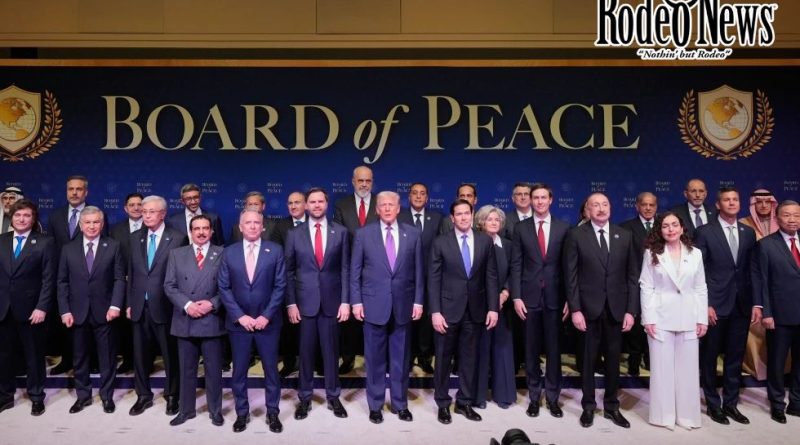
Indonesia Signs Major Trade Deal With U.S. During Trump’s Board of Peace Summit
WASHINGTON — February 20, 2026
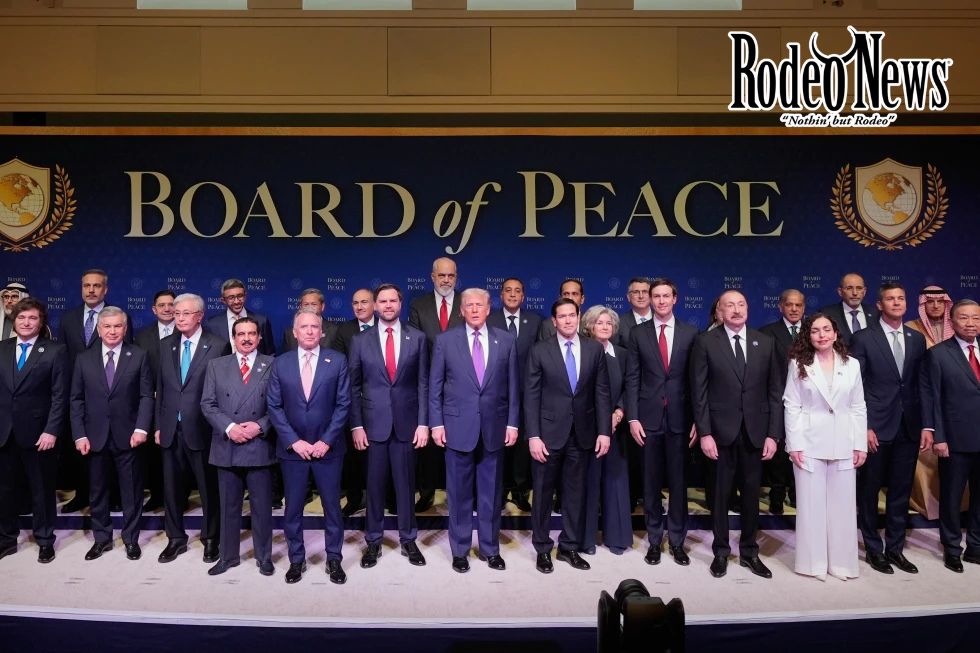
Indonesia reached a significant trade agreement with the United States on Thursday as Indonesian President Prabowo Subianto visited Washington to participate in the first meeting of President Donald Trump’s Board of Peace. The accord, hailed by officials in both capitals as a milestone in bilateral relations, aims to reshape economic ties at a moment of expanding cooperation between the two nations.
Under the reciprocal trade agreement, Southeast Asia’s largest economy will eliminate tariffs on 99 % of U.S. exports, while the United States agreed to maintain a 19 % tariff on most Indonesian goods — a rate already applied to other regional partners such as Cambodia and Malaysia. Jakarta also committed to tackling non-tariff barriers that have long impeded U.S. access to the Indonesian market, particularly in sectors ranging from agriculture to industrial commodities.
Indonesian and American businesses celebrated the deal alongside government negotiators, disclosing 11 commercial agreements worth about $38.4 billion in purchases and joint ventures. These include imports of U.S. soybeans, corn, cotton and wheat, cooperation in critical minerals development, oil-field recovery projects and collaboration on computer chip production.
Strategic Timing Amid Diplomatic Engagement
Prabowo’s visit to Washington coincided with the inaugural Board of Peace meeting, an international diplomatic forum led by Trump — originally conceived to coordinate reconstruction and security planning for Gaza. Indonesia’s economic agreement with the U.S. underscores a growing alignment between economic and geopolitical collaboration as both nations seek to broaden their influence in the Indo-Pacific and beyond.
At the Board of Peace event, Trump praised Indonesia’s role, particularly its pledge to contribute to a proposed international stabilization force in Gaza — a key component of his administration’s post-conflict strategy for the region. Prabowo reiterated Indonesia’s commitment to that effort, offering 8,000 troops or more as needed to support peacekeeping and reconstruction operations.
A “New Golden Age” of Economic Ties
Both Indonesian and U.S. officials positioned the trade deal as the foundation for what they described as a “new golden age” in bilateral economic relations. During a joint press briefing, Indonesia’s Coordinating Minister for Economic Affairs Airlangga Hartarto said the pact was designed to ensure secure and growing trade flows while preventing misuse of strategic goods — pointing to cooperation in sectors like critical minerals and technology.
U.S. Trade Representative Jamieson Greer, who signed the agreement on behalf of Washington, called it a “great deal” that would strengthen economic security, expand market access for U.S. exporters and contribute to global prosperity.
Economic analysts said the deal responds to broader challenges in U.S.–Southeast Asia trade dynamics, including competition with China for regional influence and supply-chain diversification. By removing barriers to U.S. goods and aligning regulatory standards, the agreement may encourage deeper investment in Indonesian infrastructure, agriculture and industrial sectors.
Regional Context and Broader Trade Talks
Indonesia’s deal with the United States comes as other Southeast Asian nations navigate similar negotiations. Cambodia has already secured a reciprocal trade agreement with Washington, and Vietnam is in active discussions with U.S. officials on tariff and market access issues. These developments suggest a shifting economic landscape in the region, with nations balancing historic ties with Beijing against expanding commercial ties with the United States.
Indonesian officials have emphasized that the agreement respects the country’s economic sovereignty while opening new opportunities for domestic growth and regional cooperation. Jakarta — home to one of the world’s fastest-growing economies — will now work with U.S. partners on implementing technical provisions and regulatory reforms agreed upon in Washington.
What Comes Next
The reciprocal trade agreement must still clear domestic procedures in both countries before it fully takes effect. In the meantime, business leaders and policymakers alike view Thursday’s announcement as a turning point in a relationship that has expanded significantly beyond traditional security dialogues to encompass expansive economic engagement.
As Indonesia and the United States pursue these intertwined economic and diplomatic paths, Thursday’s outcome in Washington may serve as a template for future partnerships in an increasingly competitive global trade environment.