Iran and U.S. Escalate Military Posturing as Nuclear Talks Hang in the Balance
DUBAI, United Arab Emirates — Iran and the United States intensified their military signaling on Thursday, raising the stakes around fragile nuclear negotiations that risk unraveling amid mounting regional tension.
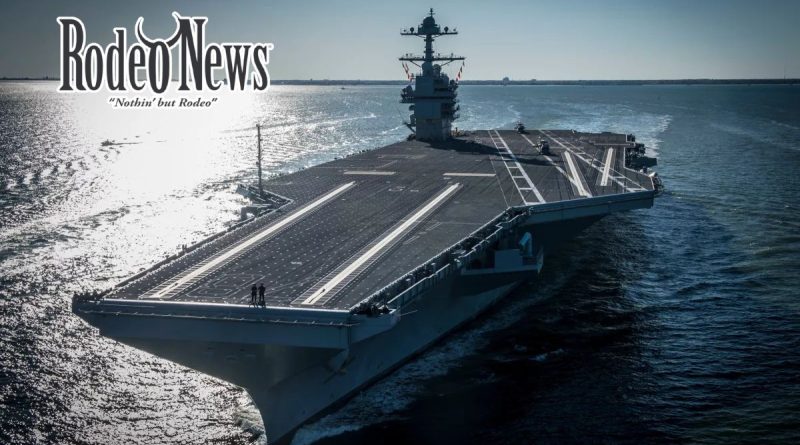
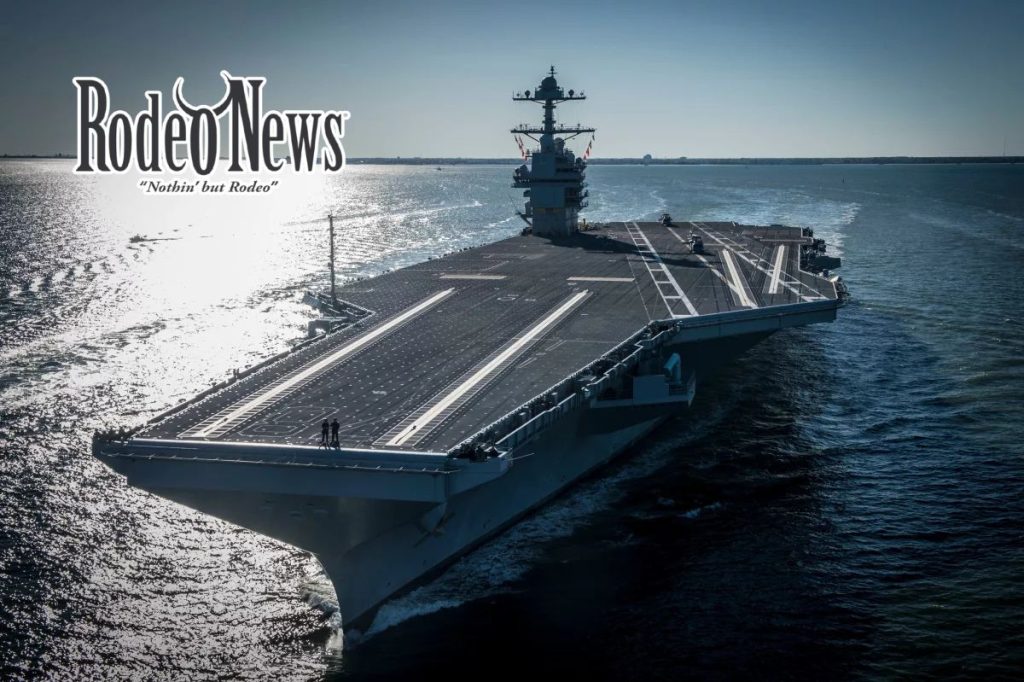
Tehran launched joint naval drills with Russia in waters stretching from the Gulf of Oman into the Indian Ocean, while Washington moved the aircraft carrier USS Gerald R. Ford closer to the Mediterranean theater. The synchronized maneuvers reflect a renewed phase of gunboat diplomacy between two adversaries whose diplomatic channels remain open — but strained.
The timing underscores the fragility of ongoing talks meant to restrain Iran’s nuclear ambitions, discussions that were disrupted earlier this year by escalating hostilities involving Israel and Iranian-backed groups.
Naval Movements Signal Strategic Pressure
Iran’s state-run IRNA news agency described Thursday’s exercise as an effort to “upgrade operational coordination” and exchange military expertise with Moscow. Russian naval assets, including what appeared to be a Steregushchiy-class corvette, were observed in the southern Iranian port city of Bandar Abbas in recent days.
The drills come on the heels of Iranian live-fire exercises in the Strait of Hormuz — the narrow maritime chokepoint through which roughly one-fifth of the world’s traded oil passes. Tehran issued rocket-fire warnings to civilian aircraft operating in nearby airspace, indicating anti-ship missile launches were part of the exercise.
For Washington, the movement of the USS Gerald R. Ford provides both deterrence and flexibility. Tracking data earlier this week placed the carrier off Morocco’s Atlantic coast, positioning it to transit through the Strait of Gibraltar and potentially operate in the eastern Mediterranean.
The deployment does not guarantee military action. However, it strengthens U.S. readiness at a time when rhetoric has hardened and red lines remain publicly defined.
Trump’s Calculated Messaging
U.S. President Donald Trump has so far refrained from ordering direct strikes on Iran despite sharp criticism of Tehran’s domestic crackdown and nuclear posture.
In a message posted on his Truth Social platform, Trump warned that should Iran refuse to strike a deal, the United States might utilize strategic facilities such as Diego Garcia and the Royal Air Force base in Fairford, England. His comments also appeared aimed at influencing British policy regarding the future sovereignty of the Chagos Islands.
While the statement stopped short of a direct military threat, it reinforced Washington’s willingness to project force if negotiations collapse.
The presence of an additional carrier strike group could also bolster regional missile defense systems, particularly in support of Israel and Jordan should tensions escalate into direct confrontation.
Domestic Unrest Complicates Tehran’s Position
Beyond the geopolitical maneuvering, Iran faces deepening unrest at home. Mourning ceremonies marking 40 days since the deaths of protesters have evolved into renewed flashpoints.
At Tehran’s sprawling Behesht-e Zahra cemetery, witnesses and social media footage showed mourners chanting anti-government slogans alongside patriotic songs — a bold display given the authorities’ warning against public dissent.
The protests began on December 28 at Tehran’s historic Grand Bazaar, initially triggered by the sharp depreciation of the Iranian rial. Demonstrations soon spread nationwide, fueled by broader grievances over economic hardship and political repression.
Tensions surged further after appeals from exiled crown prince Reza Pahlavi, who urged supporters to intensify demonstrations.
Iranian officials have released limited data regarding casualties, reporting 3,117 deaths. However, the U.S.-based Human Rights Activists News Agency estimates that the toll may exceed 7,000, suggesting the scale of violence could be significantly higher than acknowledged.
A Delicate Diplomatic Crossroads
The convergence of military drills and civil unrest places Iran’s leadership in a precarious position. On one front, it seeks to demonstrate strength against foreign pressure; on another, it grapples with sustained domestic dissatisfaction.
For Washington, the calculus is equally complex. A forceful military presence enhances deterrence but risks provoking escalation. Meanwhile, abandoning diplomacy could accelerate Iran’s nuclear activities and destabilize an already volatile region.
The strategic choreography unfolding across the Gulf and Mediterranean reflects more than symbolic posturing. It is a reminder that negotiations between Iran and the United States have often moved forward under the shadow of military might.
Whether the latest display of power will push both sides toward compromise — or closer to confrontation — remains uncertain.
For now, warships patrol contested waters, missiles are tested, and diplomats work behind closed doors, each aware that the margin for miscalculation is narrowing.