‘Difficult’ Russia-Ukraine Peace Talks End Without Breakthrough in Geneva
Talks aimed at charting a path toward ending Moscow’s war in Ukraine concluded in Geneva without a decisive breakthrough, underscoring how deeply entrenched positions remain nearly four years into Europe’s largest conflict since World War II.
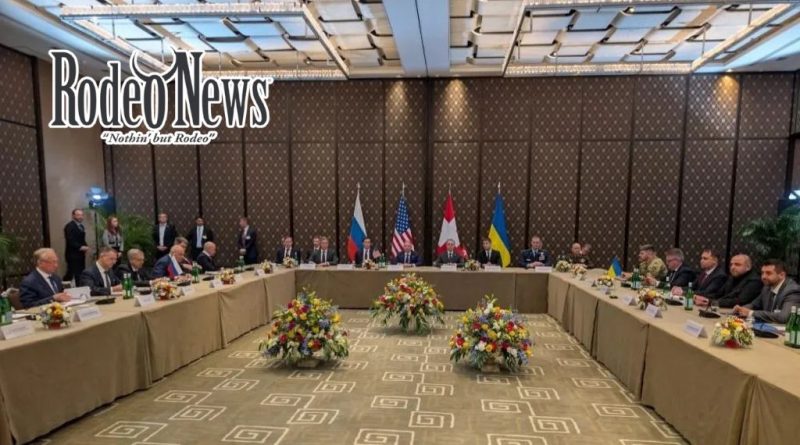
Delegations from Russia, Ukraine and the United States wrapped up their latest round of negotiations after two days of meetings that stretched late into Tuesday evening and resumed briefly on Wednesday. While participants described the discussions as serious and “businesslike,” they acknowledged that the central disputes — particularly over territory — remain unresolved.
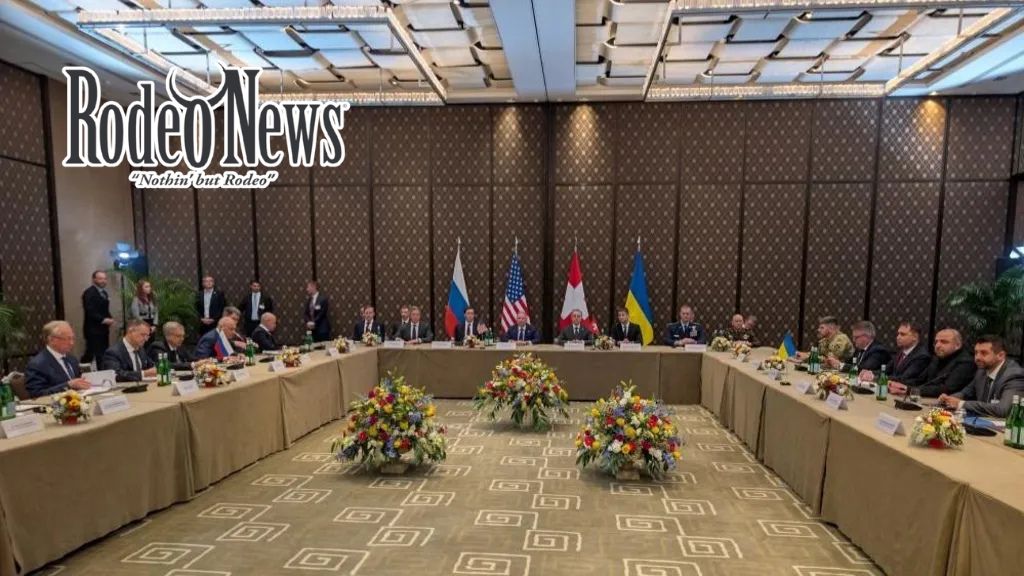
The meetings, hosted in Geneva, were framed as a renewed diplomatic push to break months of stalemate on the battlefield and at the negotiating table. Yet by the time they ended, there was little sign that either side had moved significantly on the question that has long blocked progress: control of eastern Ukraine’s Donbas region.
Progress on Military Issues, Not on Territory
According to a Ukrainian diplomatic source familiar with the discussions, the parties made limited progress on technical military matters, including clarifying the location of the current front line and exploring mechanisms for ceasefire monitoring. Those steps, while modest, suggest that negotiators are attempting to build trust incrementally.
But the talks stalled over territory — the linchpin of any lasting ceasefire.
Russia continues to demand full control over the eastern Donbas region, encompassing the Donetsk and Luhansk areas. For Kyiv, relinquishing sovereignty over these territories remains politically and constitutionally untenable.
Kremlin negotiator Vladimir Medinsky acknowledged the complexity of the discussions but described them as “businesslike,” adding that another meeting would take place soon. His remarks suggested that Moscow sees value in keeping diplomatic channels open, even if no immediate compromise is in sight.
Ukrainian President Volodymyr Zelensky, however, offered a more cautious assessment. He characterized the negotiations as “not easy,” pointing to the vast gap between Moscow’s demands and what Kyiv considers a just and sustainable peace.
Ukraine’s lead negotiator, Rustem Umerov, struck a slightly more optimistic tone, describing the talks as “substantive and intensive.” Still, he declined to disclose details, emphasizing that the process would require careful coordination among all sides and considerable time.
Washington’s Impatience
The latest diplomatic effort comes amid mounting pressure from Washington. US envoy Steve Witkoff had expressed cautious optimism ahead of the meeting, suggesting that incremental progress might be possible.
But US President Donald Trump has signaled impatience with the lack of movement. Earlier this week, he urged Ukraine to “come to the table, fast,” a comment that drew a sharp response from Kyiv.
Zelensky rejected the notion that Ukraine should be pressed to compromise first, calling it unfair to ask the invaded nation to concede territory in order to end a war launched by Moscow.
The US-brokered talks follow earlier negotiations in Abu Dhabi in January, which resulted in the first prisoner exchange in several months. Zelensky indicated on Wednesday that another swap could be forthcoming, offering a rare point of agreement amid broader deadlock.
Donbas: The Core Dispute
At the heart of the impasse lies the Donbas — a region that has endured years of fighting, fortified defensive lines and shifting control since 2014.
For Russia, securing full control of Donetsk and Luhansk is presented as a strategic and political necessity. For Ukraine, surrendering the territory would mean accepting the loss of sovereign land and exposing the country to future security threats.
Zelensky has repeatedly warned against what he sees as the dangers of appeasement. Drawing historical parallels to the 1938 Munich Agreement, he has argued that conceding territory under pressure would only embolden further aggression.
In a recent interview with Axios, Zelensky said that any proposal to hand over the Donbas would likely be rejected by Ukrainians if put to a referendum, reflecting widespread public resistance to territorial compromise.
Security Guarantees and Nuclear Concerns
Beyond territory, negotiators are grappling with the question of long-term security guarantees — a key demand from Kyiv. Ukrainian officials insist that any ceasefire must be backed by credible commitments from Western allies to deter future Russian attacks.
Another sensitive issue is the status of the Zaporizhzhia Nuclear Power Plant, Europe’s largest nuclear facility. Located near the front line and under Russian control since March 2022, the plant has been a persistent flashpoint in the war.
Ukraine has called for the facility’s return and has floated the possibility of shared oversight with American involvement — a proposal Moscow is unlikely to accept. Control of the plant carries not only strategic and economic significance but also profound safety implications for the wider region.
Europe’s Role
Officials from Britain, France, Germany and Italy attended the Geneva talks and held separate discussions with Ukrainian representatives. European governments have pushed for a greater role in the US-led diplomatic process, arguing that any settlement will have far-reaching consequences for continental security.
Zelensky has described European participation as indispensable, signaling that Kyiv views a transatlantic framework as essential for ensuring that any peace agreement is enforceable.
Four Years Into War
Next week marks four years since Russia launched its full-scale invasion of Ukraine — a war that has claimed tens of thousands of military and civilian lives and displaced millions.
Despite intermittent diplomatic efforts, the battlefield reality remains harsh. Daily aerial assaults continue across Ukrainian cities, underscoring the urgency — and difficulty — of reaching a durable ceasefire.
The Geneva talks may have failed to produce a breakthrough, but they revealed a cautious willingness to continue engagement. Whether that dialogue can narrow the vast divide over territory and security remains uncertain.
For now, the prospect of peace remains distant, tethered to negotiations as fragile and contested as the front lines they seek to freeze.