Ukraine’s Future on the Line at Munich Security Conference
Munich, Germany — 13 February 2026 — As global leaders convene at the 62nd Munich Security Conference, the fate of Ukraine’s four‑year war with Russia looms large over high‑level diplomacy. What was once an annual forum for broad strategic dialogue has in recent years become a crucible where the future of European security and Ukraine’s own survival are being intensely debated.
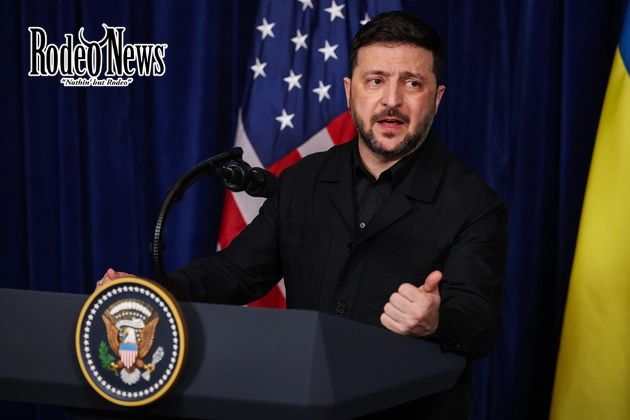
On Friday, delegates from around 120 countries — including Ukrainian President Volodymyr Zelenskyy, U.S. Secretary of State Marco Rubio, NATO Secretary‑General Mark Rutte, and senior European leaders — filled the historic Bayerischer Hof in Munich. The overarching question: Can the global community move beyond rhetoric to a viable peace plan for Ukraine?
Stalled Peace Talks and U.S. Preconditions
According to a report by Politico, senior European and U.S. officials acknowledge deep diplomatic deadlock as the conference unfolds. While there is broad consensus on the need to end the war, Washington has signalled it will not finalize long‑term security guarantees for Ukraine until Kyiv and Moscow reach a comprehensive peace deal.
Those unresolved negotiations hinge on fundamental issues such as territorial control and future security arrangements. Russia continues to insist on recognition of its hold over parts of Ukrainian territory — a demand Kyiv and its allies reject outright. European officials, speaking on condition of anonymity, told Politico that this impasse left the gathering poised to produce little more than symbolic statements of unity rather than substantive breakthroughs.
U.S. policy reflects a cautious approach aimed at structuring a peace framework that prevents further escalation, but critics say it has created a stalemate. European diplomats, frustrated at being sidelined in pivotal discussions, have signalled that while they support a negotiated settlement, they are wary of any deal that might legitimize Russian territorial gains.
Transatlantic Tensions Add Pressure
The Ukraine debate at Munich is unfolding against rising transatlantic tensions. The Trump administration’s foreign policy has placed greater emphasis on transactional alliances and questioned long‑standing commitments, prompting European leaders to voice concerns over the reliability of U.S. support.
Secretary of State Rubio, speaking ahead of his address at the conference, struck a decidedly warmer tone than some of his predecessors — recognising a “defining moment” for U.S.-Europe relations while urging continued cooperation. Yet his message also acknowledged a reshaping geopolitical landscape that requires reassessment of old assumptions.
NATO Secretary‑General Rutte, present in Munich, has emphasised the alliance’s ongoing support for Ukraine while urging member states to step up their own defence commitments. But internal disagreements, both within Europe and between Europe and Washington, underscore how fraught the security landscape has become.
Ukraine House and Kyiv’s Strategic Push
In a symbolic display of focus on Kyiv’s future, Ukrainian Foreign Minister Andrii Sybiha and German Foreign Minister Johann Wadephul formally opened Ukraine House near the conference venue. Supported by Ukrainian institutions and partners, the centre is intended as both a showcase of Ukraine’s resilience and a hub for diplomatic engagement on the war’s political and strategic dimensions.
Sybiha described the initiative as indicative of Ukraine’s central role in shaping Europe’s security architecture, asserting that Europe can no longer outsource its defence but must integrate Kyiv into long‑term security strategies.
Diplomacy Beyond Munich
Conference participants are actively preparing for follow‑up talks that extend beyond the Bavarian summit, with U.S., Russian, and Ukrainian representatives reportedly planning additional meetings in locations such as Miami or Abu Dhabi. These talks aim to bridge the diplomatic gap that persists over core elements of a peace deal — particularly territorial sovereignty and security commitments.
Despite these efforts, Ukrainian officials and European allies alike have acknowledged the difficulty of achieving consensus, especially when strategic demands — such as the withdrawal of Russian forces from occupied regions — remain non‑negotiable for Kyiv.
Looking Ahead: Security and Sovereignty at Stake
As day one of the Munich Security Conference concludes, the war in Ukraine continues to dominate discussions, but certainty remains elusive. The conference has set the stage for further diplomacy in the coming weeks, yet current trajectories suggest that the conflict’s resolution — and Ukraine’s long‑term security guarantees — remain unresolved at this critical juncture.
Leaders attending the summit face not only military and diplomatic challenges, but also deeper questions about transatlantic alliances, Europe’s defence autonomy, and the future of liberal international order. For Ukraine, the outcome will not only shape its borders but define its role in the security architecture of post‑war Europe.