Trump Backs Nexstar‑Tegna Media Merger, Calling It a Boost for Competition
By [Your Name]
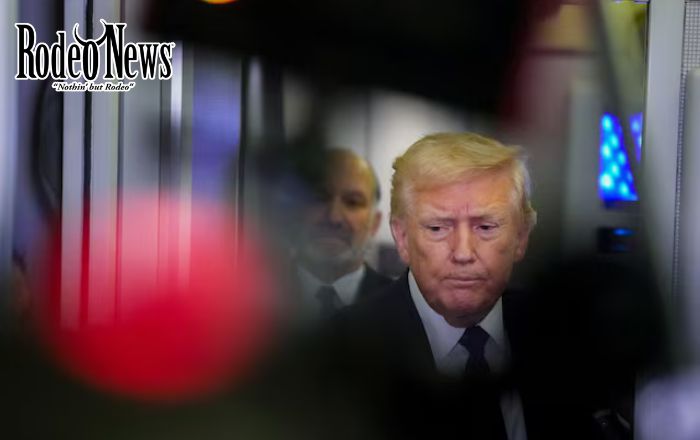
Washington — Former U.S. President Donald Trump has publicly endorsed the proposed merger between regional broadcast giants Nexstar Media Group and Tegna Inc., framing the deal as a strategic step to enhance competition against larger national television networks. His statement on social media Saturday marked a notable political shift in the high‑stakes media consolidation debate.
In a post on his Truth Social platform, Trump wrote that the merger would help counter what he described as “THE ENEMY, the Fake News National TV Networks,” and urged federal regulators to “GET THAT DEAL DONE!” — language that underscored his long‑standing critique of mainstream media outlets.
A Major Deal in Local Media
The Nexstar‑Tegna transaction, initially announced in August 2025, would see Nexstar acquire Tegna in a merger valued at roughly $3.54 billion (around $6.2 billion including debt), creating the largest regional television station operator in the United States. The combined entity would oversee more than 200 Nexstar‑affiliated stations and 64 Tegna outlets, potentially reaching about 80 % of U.S. television households.
Proponents argue that consolidation could give local broadcasters more leverage with advertisers and pay‑TV distributors at a time when streaming services are eroding traditional viewership and revenue for local television.
Shift in Trump’s Position
Trump’s endorsement represents a departure from comments he made last year, when he voiced reservations about proposals to relax Federal Communications Commission (FCC) ownership caps — regulatory limits that currently restrict the percentage of U.S. households a single broadcaster may serve. Approval of the Nexstar‑Tegna deal would require changes to those caps or waivers from regulators.
Earlier, Trump had criticized aspects of the proposal to lift the ownership cap, saying at the time that he would oppose any move that could allow what he termed “Radical Left Networks” to expand. His latest support signals a recalibration of his stance or a tactical endorsement based on his long‑running critique of major news outlets.
Regulatory and Political Context
The merger still faces significant regulatory scrutiny. Federal authorities, including the FCC and the Department of Justice, must sign off on changes to media ownership thresholds and potential antitrust concerns before the deal can move forward. A Senate Commerce Committee hearing scheduled in mid‑February is expected to examine the broader implications of altering long‑standing broadcast ownership rules.
Opposition to the deal has also come from conservative media voices, including Newsmax, which warned that the merger could actually reduce competition and harm conservative audiences if too much control consolidates under one company. Some advocacy groups have argued the deal could lead to higher cable costs and diminished local news diversity.
Industry Implications
For Nexstar and Tegna, Trump’s backing could add political pressure on regulators during the review process. Nexstar’s executives have long lobbied for modernizing ownership rules, arguing that the current broadcast landscape — fragmented by streaming and digital platforms — necessitates consolidation to sustain local news operations.
Supporters of the deal contend that combining resources under one umbrella can strengthen local broadcasting and help stations compete with tech‑driven media giants with vast reach and budgets. Critics counter that media consolidation risks homogenizing news content and reducing the diversity of voices available to viewers.
What’s Next
The Nexstar‑Tegna merger now enters a critical phase of regulatory review and political debate. With Trump’s public encouragement and a looming Senate hearing, the spotlight on U.S. broadcast ownership policy is intensifying. Whether regulators will adjust longstanding caps or deny the merger on competition grounds remains one of the key questions for media markets in 2026 and beyond.