Thai Woman Arrested in Japan for Smuggling ‘Zombie Cigarettes’ Through Kansai Airport
Osaka, Japan —
Japanese authorities have arrested a 31-year-old Thai woman for allegedly attempting to smuggle a controlled substance known as “zombie cigarettes” into the country, marking the first such case detected at Kansai International Airport since the drug was officially banned.
The suspect, identified as Tuela Kanwara, was taken into custody after customs officers discovered more than 1,000 cartridges containing etomidate, a sedative that has gained notoriety for its dangerous side effects. The substance was concealed inside snack packaging in her suitcase when she arrived in Japan on a flight from Thailand on Nov. 5, according to Osaka Customs and local police.
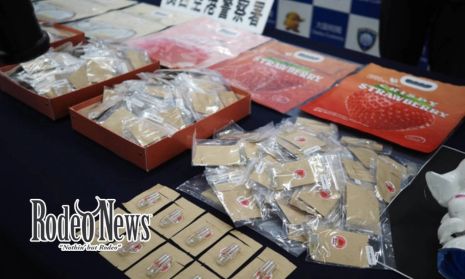
Authorities said Kanwara was later indicted on charges of violating Japan’s drug control laws. Investigators believe she was attempting to bring 1,002 cartridges, weighing approximately 500 grams, of the substance into the country.
First Etomidate Case at Kansai Airport
Officials confirmed this was the first law enforcement action involving etomidate at Kansai International Airport since the drug was added to Japan’s list of controlled substances in May last year.
Etomidate, while sometimes used in medical settings as an anesthetic, has increasingly been abused in illicit forms across parts of Asia. When inhaled or consumed recreationally, the drug can cause muscle spasms, disorientation, and erratic behavior, earning it the street name “zombie cigarettes.”
Japanese authorities have expressed growing concern over the substance, citing its unpredictable effects and potential threat to public safety.
Concealed in Snack Packets
According to the Kansai Airport Police Station, the cartridges were hidden inside seven snack packets, a method investigators say reflects a broader trend of smugglers attempting to evade detection by disguising illegal drugs as everyday consumer goods.
Customs officers became suspicious during a routine inspection of the woman’s luggage, leading to the discovery of the concealed cartridges. Subsequent testing confirmed the presence of etomidate, triggering her arrest.
Police did not disclose whether Kanwara admitted to knowing the contents of the suitcase, stating that the investigation remains ongoing.
Traveling With Another Suspect
Kanwara was not traveling alone. Authorities revealed she was accompanied by a Malaysian man, who was also arrested and later indicted — though on separate charges.
The man is suspected of attempting to smuggle stimulants into Japan on the same flight. Investigators are now examining whether the two suspects were acting independently or as part of a coordinated trafficking operation.
Police have not released further details about the male suspect, citing the sensitivity of the ongoing investigation.
Rising Vigilance at Japan’s Borders
The arrest highlights Japan’s increasing vigilance against emerging synthetic and pharmaceutical-based drugs, particularly those entering the country through major international airports.
Following the classification of etomidate as a controlled substance, customs officials have intensified inspections and screening procedures, especially on flights originating from Southeast Asia, where the drug has been reported to circulate more widely.
Authorities say smugglers are constantly adapting their methods, using increasingly sophisticated concealment techniques to bypass detection.
“This case underscores the importance of thorough inspections and international cooperation,” a customs official said, noting that early detection helps prevent dangerous substances from reaching the domestic market.
Legal Consequences
Under Japanese law, smuggling controlled substances can carry severe penalties, including lengthy prison sentences. Prosecutors are expected to pursue the case aggressively, given the volume of drugs involved and the public health risks associated with etomidate abuse.
As the investigation continues, authorities are working to determine the intended destination of the cartridges and whether additional individuals or networks were involved.