Why Are the NBA, Manchester City and Real Madrid in Talks?
London’s O2 Arena has hosted NBA games before, but Sunday night felt different.
As the Memphis Grizzlies defeated the Orlando Magic 126–109 in the British capital, the match marked more than just another regular-season contest abroad. It was the closing chapter of the NBA’s first European double-header week, following Berlin’s debut as a regular-season host days earlier. Together, the games served as a statement of intent — and a preview of what could be basketball’s most ambitious international expansion yet.
Behind the scenes, the NBA is holding early-stage talks with some of Europe’s most powerful sporting institutions, including football giants Manchester City and Real Madrid, about forming an independent European basketball league. Representatives from both clubs attended a closed-door presentation in London this week, signalling that plans once viewed as speculative are beginning to take tangible shape.
A New Vision: NBA Europe
The project, known internally as NBA Europe, is being developed as a standalone league that could launch as early as the 2027–28 season. Under current proposals, it would feature between 12 and 16 teams, combining new franchises, existing basketball clubs and football organizations without elite basketball operations.
London, Manchester, Paris and Berlin are widely expected to be cornerstone cities. Each has already been confirmed as future NBA host destinations, with Paris and Manchester scheduled for a double-header in 2027, and Berlin and Paris returning in 2028.
For the NBA, the rationale is clear. Europe has become one of its fastest-growing markets, driven by rising viewership, deeper grassroots participation and a generation of elite European talent reshaping the league’s identity. Five of the past seven NBA Most Valuable Player awards have been won by Europeans, underlining the continent’s influence at the highest level of the sport.
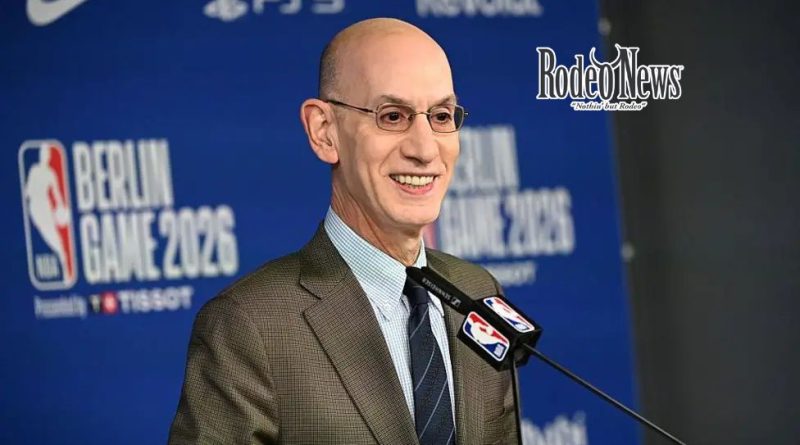
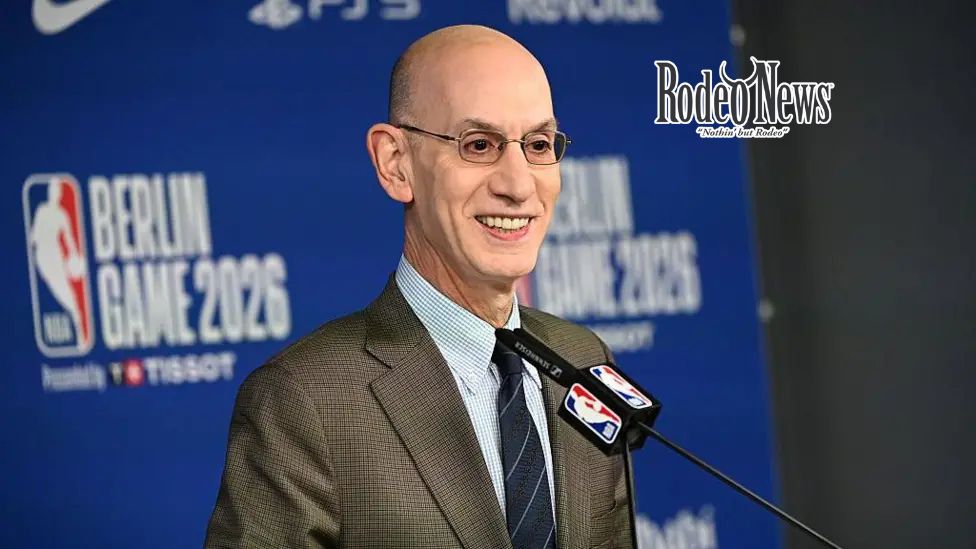
NBA commissioner Adam Silver believes the moment is right.
“London in particular is a tastemaker market for much of Europe,” Silver said during the league’s visit. “From arenas to culture to global appeal, it connects naturally with the NBA brand.”
Why Football Clubs Are in the Frame
Manchester City and Real Madrid are among several football clubs the NBA sees as potential partners, alongside Barcelona, Bayern Munich and AC Milan. The appeal lies in their global fanbases, commercial infrastructure and experience operating elite sports organizations across multiple markets.
Real Madrid already has a storied basketball division competing in Europe, while Manchester City’s ownership group has built a multi-sport empire spanning continents. For the NBA, such partners offer instant credibility and scale in markets where basketball is still chasing football’s dominance.
Attendance at Monday’s London presentation extended beyond clubs. Private equity firms, including KKR and JP Morgan, were present, alongside NBA legends and high-profile athletes such as Pau Gasol, Tony Parker and Zlatan Ibrahimovic.
“I believe if the NBA brings a strong business model and connects with European fans, it can be magic,” Ibrahimovic said. “That’s why people are here.”
London’s Unique Role
Despite lacking a major professional basketball presence, London is being tipped as a flagship city for NBA Europe. Rather than aligning with an existing football club, the capital is expected to host a standalone franchise designed as a model for the league’s future expansion.
Its advantages extend beyond sport. London’s global reach, cultural influence and commercial infrastructure are seen as critical to attracting American audiences, sponsors and broadcasters. The O2 Arena remains one of Europe’s highest-grossing venues, and reports of a new indoor arena project have further strengthened the city’s case.
At grassroots level, basketball is already booming. It is the fastest-growing sport in the UK, supported by recent investment from the NBA, local authorities and national government. Yet professionally, Britain lags behind continental Europe, with only a handful of UK players currently featuring prominently in the NBA.
NBA Europe is viewed by many as a potential catalyst for long-term change.
Resistance From EuroLeague
The most significant opposition comes from EuroLeague, Europe’s leading club basketball competition. Its leadership has been vocal in criticising NBA Europe, warning that it could fragment the sport rather than strengthen it.
EuroLeague chief executive Paulius Motiejunas has accused the NBA of threatening the existing ecosystem and has not ruled out legal action if clubs are approached directly.
The NBA, however, insists it is working closely with FIBA, basketball’s global governing body, and views the project as complementary rather than destructive.
Logistical and Financial Hurdles
Challenges remain substantial. Travel across Europe, scheduling conflicts, arena availability and ticket pricing are all unresolved. Teams based in the UK could face journeys to southern and eastern Europe, including Greece and Turkey, on a regular basis.
Former NBA star Isiah Thomas believes logistics are no longer a barrier.
“Twenty years ago, this would have been difficult,” he said. “Today, the infrastructure and talent pool exist to make it work.”
Financially, entry fees for franchises are expected to range between €500m and €1bn, depending on market size and ownership structure. The NBA is also open to sovereign wealth fund involvement, potentially expanding beyond the current ownership limits imposed on NBA franchises in the United States.
What Comes Next
The London meetings marked the most concrete step yet toward NBA Europe, but much remains undecided. Over the next 12 months, the league is expected to refine its format, ownership rules and timeline.
By the time Manchester hosts its first NBA in-season game next year, the direction of the project should be far clearer.
For British basketball, and for European sport more broadly, the stakes are high. If successful, NBA Europe could reshape the continent’s basketball landscape and finally embed the game at elite level in cities long dominated by football.
As two-time MVP Steve Nash put it: “The upside in Europe — and especially in London — is enormous. This could be transformational.”