Breaking News: Cambodia Ready for Ceasefire Which Might Not Happen as Thailand Rejects It
Cambodia and Thailand at Odds Over Proposed Ceasefire Amid Border Tensions
Cambodia has agreed to a ceasefire with Thailand, scheduled for 10 PM on December 13, 2025. However, Thailand has rejected the offer, signaling that military action is not yet over. Despite diplomatic calls for de-escalation, the conflict continues to rage, leaving a deadly toll on both sides.
The fighting, which began on December 7, has already resulted in 11 Cambodian civilian deaths, 74 injuries, and the displacement of more than 350,000 people. With infrastructure destroyed and thousands in danger, a potential ceasefire could offer a much-needed reprieve. But the path to peace is uncertain, as Thailand’s leadership remains hesitant.
Cambodia Agrees to Ceasefire, Thailand Rejects Proposal
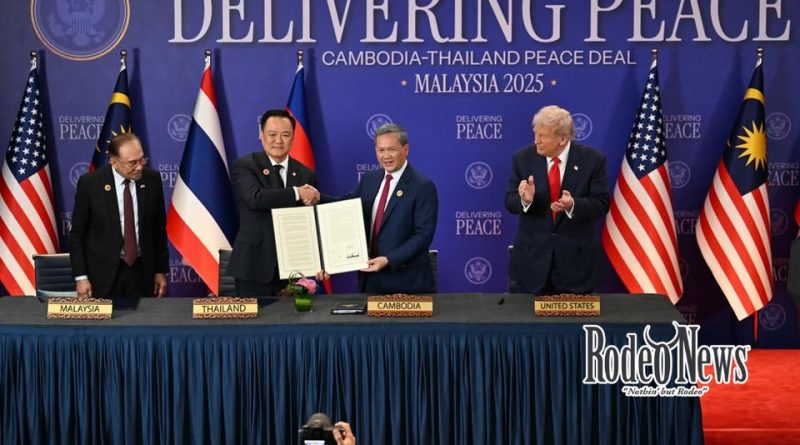
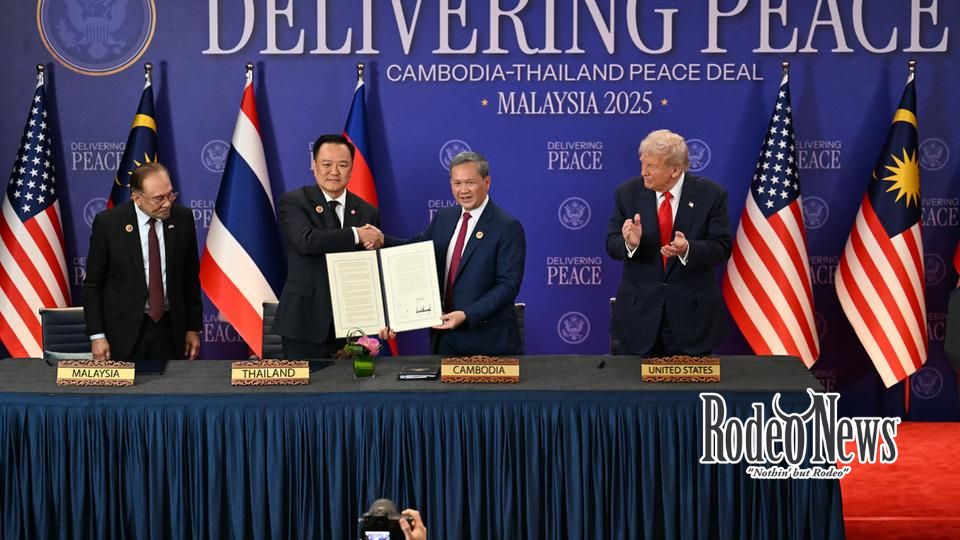
The ceasefire proposal came after high-level diplomatic discussions. On December 12, US President Donald Trump and Malaysian Prime Minister Anwar Ibrahim urged both leaders to halt military action. Cambodia’s Prime Minister, Hun Manet, agreed to the ceasefire, signaling his country’s willingness to end the violence. Cambodia also committed to international monitoring by ASEAN and the US to ensure transparency.
“We are ready to cooperate in any way to resolve this conflict and ensure transparency,” Prime Minister Manet stated on social media.
But Thailand has pushed back. Prime Minister Anutin Charnvirakul rejected the idea, claiming that now is not the right time for a ceasefire. “We are still in communication with our military leaders, and there are no ceasefire talks right now,” Anutin said.
The Conflict’s Ongoing Toll
The conflict erupted on December 7, following an alleged roadside bomb attack in Cambodia’s Koh Kong province. The explosion, which killed several soldiers, triggered a violent Thai military response. Thailand launched airstrikes and naval bombardments, extending the fighting into Cambodia’s territory.
The violence has caused extensive damage, including the destruction of the Me Teuk (Victory) Bridge in Pursat province. The bridge was bombed after repeated airstrikes by fighter jets.
The human toll has been staggering. As of December 13, at least 74 people have been injured, and more than 356,000 people have fled their homes to escape the violence. Many are now in temporary shelters in nearby provinces.
International Efforts to De-escalate the Conflict
As the death toll rises, international leaders have stepped in to mediate. Malaysian Prime Minister Anwar Ibrahim has called for an ASEAN Foreign Ministers’ Meeting on December 16 to address the situation. At the meeting, a report will be presented with findings from satellite monitoring and field observations by the ASEAN Observation Team (AOT) and the US.
“The report will provide an objective account of the situation, including the positions of both parties, to build trust and transparency,” Anwar wrote on Facebook.
But despite these efforts, Thailand has made it clear that it will not stop military operations until it feels secure. Prime Minister Anutin has rejected external interference, insisting that Thailand’s sovereignty must come first. “Right now, we do not need advice from anyone,” he said. “We will continue to defend our country with full force.”
The Role of the United States in Mediating Tensions
The United States has been actively involved in diplomatic talks to reduce tensions. President Trump’s conversation with Prime Minister Hun Manet on December 12 seemed to suggest a mutual agreement for a ceasefire, but this has not materialized on the ground. While Cambodia has expressed readiness, Thailand remains steadfast in its military actions.
Trump had previously urged both countries to return to the terms of the 2022 Kuala Lumpur Peace Accord, an agreement aimed at ensuring peaceful relations between Cambodia and Thailand. However, the escalation of violence since the conflict began has made it difficult to move toward a lasting resolution.
What’s Next for Cambodia and Thailand?
As the deadline for the proposed ceasefire nears, questions remain about whether both sides can find common ground. Cambodia’s commitment to transparency through international monitoring could be an important step toward de-escalation. But with Thailand’s rejection of the ceasefire, the road to peace seems long and uncertain.
The ASEAN Foreign Ministers’ Meeting on December 16 will be a crucial moment in determining the future of the conflict. It is hoped that the meeting will provide a pathway for negotiations and a ceasefire, but tensions on the ground suggest that a quick resolution is unlikely.
For now, the people of Cambodia and Thailand continue to bear the brunt of this unresolved crisis.