Supertanker Skipper Seized by U.S. Near Venezuela, Heading to Houston
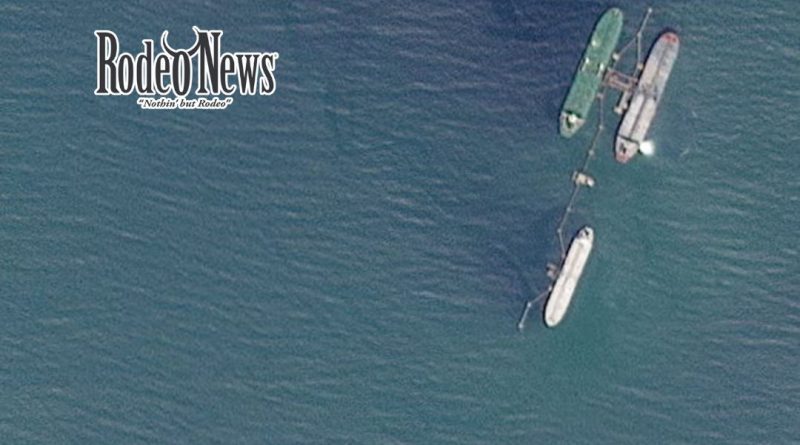
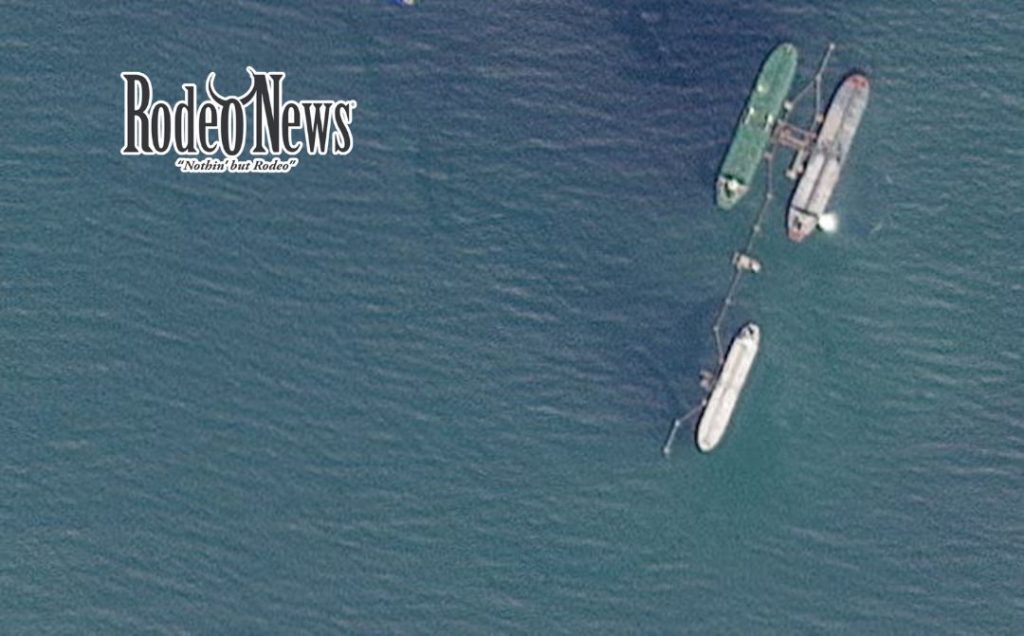
HOUSTON, Dec 12 (Reuters) – The U.S. has seized the oil supertanker Skipper, which was intercepted near Venezuela this week as part of an ongoing effort to ramp up pressure on the government of President Nicolás Maduro. The Very Large Crude Carrier (VLCC), which is carrying approximately 1.85 million barrels of Venezuela’s Merey heavy crude, is now on course for Houston, according to two sources familiar with the matter.
The Skipper is one of the latest vessels involved in the high-stakes battle over Venezuela’s oil exports, which have been severely constrained by U.S. sanctions. With the ship too large to navigate the Houston ship channel, it is expected to anchor offshore and offload its cargo to smaller ships for further transport, according to port authorities. The Greater Houston Port Bureau, however, has yet to receive any formal notification or agent filings indicating that the Skipper is scheduled to call at the port.
“We have not received any notifications or agent filings indicating that the M/V Skipper is scheduled to call the Port of Houston,” said Eric Carrero, President of the Greater Houston Port Bureau. The U.S. Coast Guard, responsible for overseeing maritime operations in the Houston-Galveston area, did not immediately respond to requests for comment.
Rising Tensions Over Venezuela’s Oil
The seizure of the Skipper is the latest escalation in a rapidly intensifying dispute between Washington and Caracas. The U.S. government, which has imposed severe sanctions on Venezuela’s oil industry in an attempt to weaken Maduro’s regime, is preparing to intercept more ships carrying Venezuelan crude, sources revealed on Thursday. The Skipper was detained under a U.S. seizure warrant, according to U.S. Attorney General Pam Bondi, marking a sharp increase in the enforcement of these sanctions.
The tanker, which had been falsely flying the flag of Guyana, according to the maritime authority of Guyana, has become the latest pawn in the ongoing tug-of-war over Venezuela’s state-owned oil company, PDVSA. Despite the seizure, both PDVSA and Venezuela’s government have yet to comment on the incident.
The Skipper’s cargo of Merey crude is valuable, especially at a time when global oil prices remain volatile, and Venezuela’s oil exports are constrained due to years of economic turmoil and sanctions. The tanker’s offloading in Houston will not only impact oil markets but could also lead to further diplomatic fallout.
Implications for U.S.-Venezuela Relations
The seizure is the latest in a series of aggressive moves by the U.S. to enforce its sanctions on Venezuela, a country whose oil exports have long been a lifeline to its economy. Washington’s actions are part of a broader strategy aimed at squeezing Maduro’s government, which is facing internal opposition and international pressure.
Venezuela has been in the throes of a deep economic crisis for years, with hyperinflation, food shortages, and mass emigration forcing millions to flee the country. The U.S. has long considered Maduro’s leadership illegitimate, particularly after his contested re-election in 2018. In response, the Trump administration, and now the Biden administration, have imposed crippling sanctions aimed at reducing Venezuela’s oil production and cutting off its oil revenues.
However, the Skipper incident highlights the complex and increasingly dangerous nature of these sanctions. While Washington has been successful in curtailing the volume of oil flowing from Venezuela, Caracas remains deeply entrenched, and the country continues to find new ways to circumvent sanctions, including using shadowy tanker operations and false flagging.
What’s Next for the Skipper?
As the Skipper heads toward Houston, the situation remains fluid. While there is no official confirmation of its arrival, satellite imagery indicates that the ship is on course for the Gulf Coast. Once it reaches U.S. waters, the tanker will likely anchor offshore and transfer its cargo to smaller vessels, which can more easily navigate the narrow shipping channels to Houston’s port.
If the U.S. follows through on its plans to increase the interception of ships carrying Venezuelan oil, more such seizures are expected. These actions not only serve to disrupt Venezuela’s oil exports but also send a strong signal to international shipping companies that doing business with Venezuela carries significant risks.
Conclusion
The seizure of the Skipper supertanker marks a significant chapter in the ongoing saga of U.S.-Venezuela relations. While the Skipper itself may eventually be cleared to offload its valuable cargo, the broader geopolitical ramifications of this move are still unfolding. The U.S. is clearly intensifying its efforts to block Venezuela’s oil exports, while Caracas remains steadfast in its refusal to bow to international pressure. With both sides locked in a high-stakes standoff, the world will be watching closely to see what happens next.