Opposition Leader Presses Thai Government to Clarify Endgame in Border Tensions with Cambodia
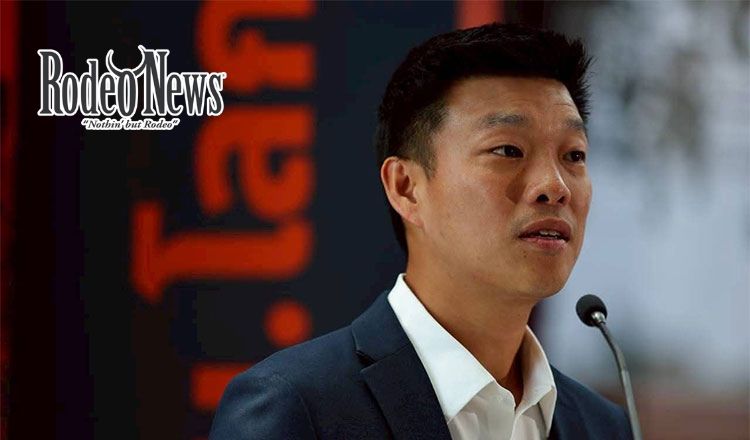
In a pointed critique of Thailand’s handling of rising tensions at the Thai–Cambodian border, Opposition Leader Natthaphong Ruengpanyawut has called on the government to clarify its objectives and define what constitutes an “end” to the ongoing military standoff. Speaking to Thai media yesterday, Natthaphong emphasized the need for transparency and a clear strategy, warning that ambiguity over the country’s actions could undermine both its national security strategy and its international standing.
The border conflict, which has escalated in recent weeks, has drawn both military and diplomatic attention. Thai forces have been engaging Cambodian troops in a series of confrontations aimed at neutralizing perceived threats, but Natthaphong cautioned that the government must avoid being perceived as the aggressor in the eyes of the international community.
“Thailand must ensure that it does not become the villain in this situation,” Natthaphong said, recognizing the necessity for defensive actions to protect Thai sovereignty. However, he underscored that the government’s priority should be restoring peace and stability in the provinces that border Cambodia, where residents have faced growing uncertainty amid the rising tensions.
A Call for a Balanced Approach
In his remarks, the opposition leader called for a comprehensive and balanced strategy that combines military readiness with diplomatic engagement. He urged the Thai government to project strength in defending its sovereignty, but also to maintain diplomatic channels and keep pressure on Cambodia to return to the negotiating table.
“We must not allow this conflict to be prolonged unnecessarily,” Natthaphong added. “While it is crucial to demonstrate military preparedness, it is equally important to maintain the diplomatic pressure required to bring Cambodia back to the table for talks.”
Natthaphong also voiced concerns over messaging from the government that suggests all diplomatic avenues have been exhausted. He warned that such rhetoric could harm Thailand’s credibility on the international stage, especially at a time when global eyes are focused on the stability of Southeast Asia.
“A message that implies diplomacy has failed may weaken our position in the eyes of the world,” he stated. “This conflict has a long history, and we must avoid framing it in such a way that undermines the legitimacy of future negotiations.”
Military Response and Civilian Safety
Natthaphong was clear that, while military action may be necessary, any response must be proportionate and targeted. He emphasized the importance of ensuring civilian safety, particularly in border areas where Thai citizens have already been affected by the ongoing conflict.
“The military response must be measured, focused on neutralizing specific threats, and mindful of the human cost of escalation,” he said. “Thailand must always remain committed to protecting its people while adhering to international norms and respecting the principles of proportionality in conflict.”
The opposition leader also reminded the government of the longstanding nature of the border dispute. He pointed out that this issue has been unresolved for decades and urged against using the current flare-up as a political tool to rally domestic support or shift attention from other issues.
“A lasting resolution will not come easily,” Natthaphong said. “It will require meticulous work and collaboration over several terms of government. The process of demarcating the border properly is not something that can be completed in a single term.”
Responsibility for Oversight
In his address, Natthaphong placed the responsibility for the conduct of military operations squarely on the shoulders of Prime Minister Prayut Chan-o-cha, urging him to take full accountability for both the military response and the overall national strategy.
“Prime Minister Prayut must assume full responsibility for the operations at the border and ensure that the military’s actions align with Thailand’s long-term national interests,” Natthaphong stated. “This is not just a military issue, but a matter of national governance and international relations.”
As the situation remains fluid, Thailand faces mounting pressure to manage the delicate balance between military preparedness and diplomatic outreach. Natthaphong’s call for a nuanced approach reflects a broader concern about the potential long-term ramifications of the conflict, both for Thailand and its international relationships.
Looking Ahead
The future of the Thai–Cambodian border dispute remains uncertain. While recent skirmishes have brought the issue to the forefront of national discourse, the opposition leader’s remarks underscore the necessity of a thoughtful, strategic approach. Thailand’s government will need to carefully navigate its next steps, balancing the defense of national sovereignty with the imperative of maintaining stability and diplomatic relations in the region.
As the situation continues to unfold, all eyes will remain on how Thailand’s leadership responds to both the military and diplomatic challenges that lie ahead.