Kremlin Signals Openness to Talks, Accepts Parts of U.S. Peace Plan
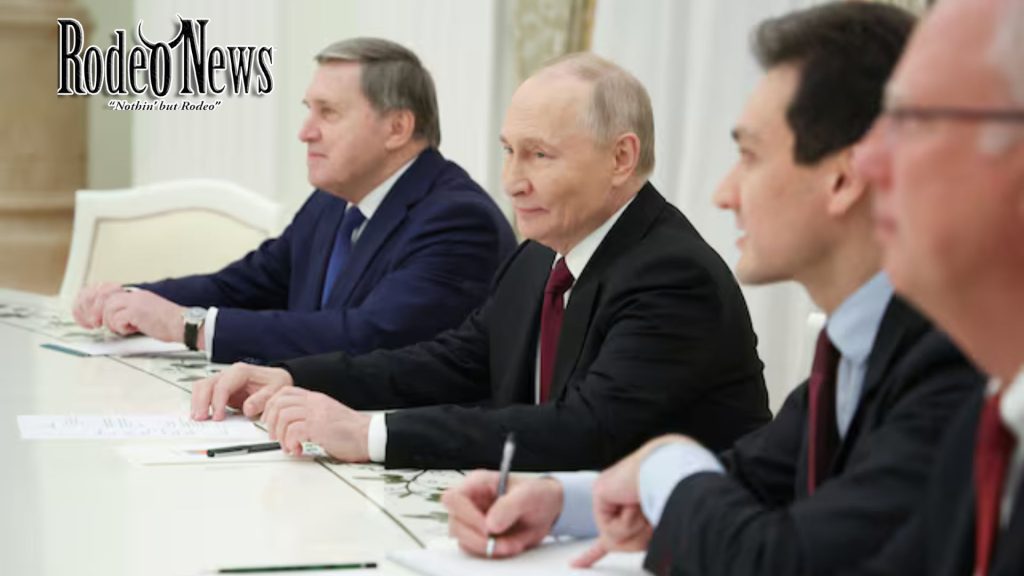
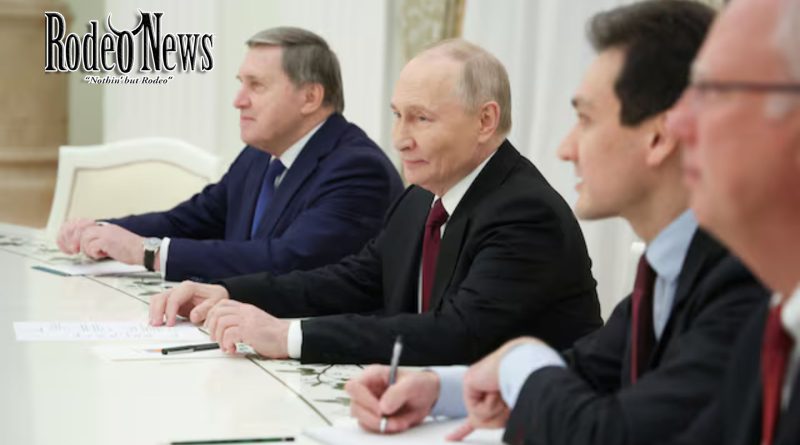
The Kremlin announced on December 3 that Russian President Vladimir Putin had accepted some elements of a U.S.-backed proposal aimed at ending the war in Ukraine — while rejecting others. The announcement came after a series of late-night talks in Moscow involving U.S. special envoy Steve Witkoff and senior adviser Jared Kushner. Reuters+2Investing.com+2
Kremlin spokesman Dmitry Peskov described the meeting as a “direct exchange of views,” saying some components of the U.S. proposals were acceptable, others deemed “unacceptable,” and that this mixed outcome is part of a normal negotiation process.
The Kremlin added that further diplomacy will proceed “at expert level,” allowing technocrats to hammer out details before any elevated political engagement resumes — signaling that more rounds of talks are expected. Reuters+1
U.S. Draft Plan — Under Scrutiny and Revision
The U.S. had offered a multi-point peace framework — reportedly 27 or 28 items — that the Russian side reviewed during the Moscow discussions. Reuters+2www.ndtv.com+2
Some of the proposals reportedly leaned toward Moscow’s demands. That prompted negative reactions from Ukraine and several European allies. In response, the U.S., together with Kyiv and European partners, revised the framework during talks in Geneva. Reuters+2Investing.com+2
Still, the exact contents of the proposals under consideration remain undisclosed. Kremlin critics say the original draft was heavily skewed in Russia’s favor, raising concerns about fairness and territorial conceding. Newsmax+1
No Breakthrough — War Continues, but Dialogue Not Dead
Despite partial acceptance, the Kremlin conceded that “compromises have not yet been found.” Reuters+2News Channel 3-12+2
Officials stressed that this Moscow session was only the first direct confrontation of views — suggesting both sides remain far apart, especially on issues like territorial control, security guarantees, and the role of European powers in any agreement. The Guardian+2ABC+2
Russia expressed gratitude for the U.S. efforts. But it also made clear that the path forward will depend on technical-level negotiations before any major political commitments. Reuters+1
Observers warn that, although diplomacy remains alive, the lack of clarity around core demands — especially regarding territories in eastern Ukraine — means a lasting peace remains elusive.
What’s Next
- Expert-level talks between Russian and U.S. teams are expected to continue behind closed doors.
- The U.S. and its allies may refine the peace framework further, possibly to make it more acceptable to Moscow without compromising Ukraine’s core demands.
- Western and Ukrainian reactions to Russia’s mixed acceptance remain closely watched; any perceived concession to Russian territorial ambitions could provoke a backlash.
- Continued diplomacy — or its failure — may significantly influence the war’s trajectory in the coming months.