Deadly Ambush Near White House: One National Guard Member Killed, Another Wounded in Washington, D.C
Shooting Overview
On November 26, 2025, around 2:15 p.m., two members of the West Virginia National Guard — Sarah Beckstrom and Andrew Wolfe — were ambushed near the Farragut West Metro Station in downtown Washington, D.C., just blocks from the White House.
According to law enforcement, the gunman opened fire without warning. After the first shots, he allegedly seized Beckstrom’s firearm and used it to continue shooting at Wolfe. Another guard member reportedly stabbed the assailant with a pocketknife while a different guard returned fire, wounding the suspect and ending the attack.
Casualties and Victims
Sarah Beckstrom, a 20-year-old Army specialist, succumbed to her injuries Thursday, Nov. 27.
Andrew Wolfe, a 24-year-old staff sergeant, remains hospitalized in critical condition.
Both had recently been deployed to D.C. under a security mission initiated by the federal government.
West Virginia National Guard
The attack has been broadly described by officials and media as a “brazen,” “targeted,” and “calculated” ambush.
Suspect and Investigation
The suspect has been identified as Rahmanullah Lakanwal, a 29-year-old Afghan national who entered the United States in 2021 under a humanitarian resettlement effort known as Operation Allies Welcome.
Authorities say Lakanwal had previously received paramilitary training and support from the CIA in Afghanistan before resettling in the U.S.
After the shooting, an asylum grant he obtained in 2025 has come under scrutiny.
Federal agencies, including the FBI and the Department of Homeland Security, are leading the investigation. Officials are reviewing surveillance footage, the suspect’s digital footprint, and conducting interviews with family members. As of now, no other suspects have been publicly identified.
Government Response & Fallout
In response to the shooting:
The U.S. has paused all immigration applications for Afghan nationals pending a review of security and vetting protocols.
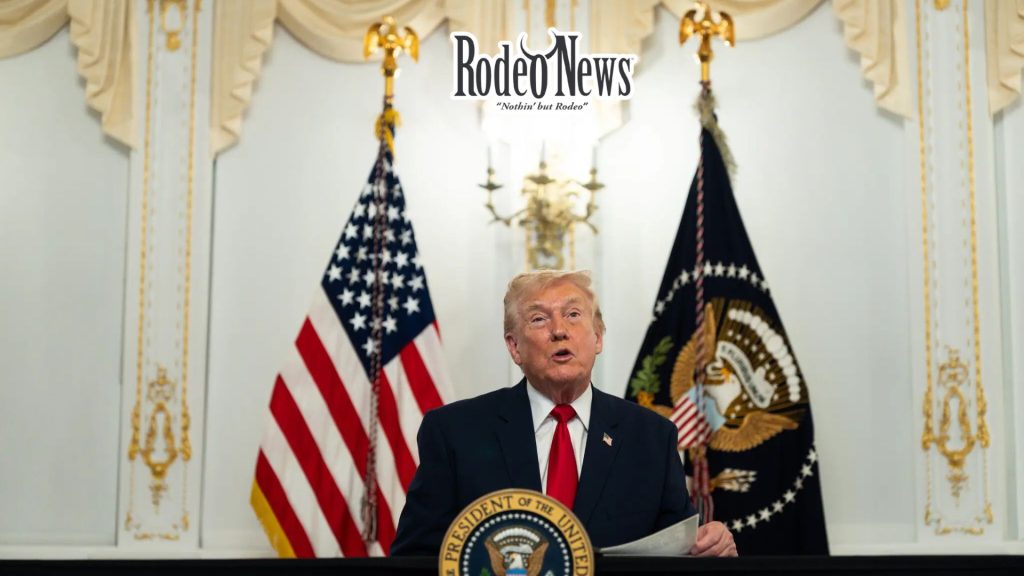
Donald J. Trump, who ordered the deployment of guard forces to D.C. earlier this year under a declared “crime emergency,” called the attack a “terrorist act.” He blamed the incident on immigration vetting failures and announced plans to send 500 additional Guard troops to Washington, D.C.
Local and federal officials, including the FBI, have condemned the attack and pledged to prosecute the perpetrator to the fullest extent of the law.
The tragedy has also reignited broader debates over the presence of military personnel on U.S. streets — particularly the use of National Guard troops for domestic patrols — and the balance between security and civil liberties.
What Remains Unclear
Investigators have not yet released a definitive motive for the attack. Some sources suggest possible mental-health issues and paranoia, but nothing has been confirmed.
It remains uncertain whether the suspect acted completely alone or had outside assistance or influence. As of now, no affiliates or accomplices have been named.
The broader impact on immigration policy and guard deployments remains to unfold. With the pause on Afghan immigration filings and additional troop deployments, many are watching for how political and security measures evolve.
The shooting highlights deep divisions and concerns over immigration, security, and public safety. As investigations continue, the deaths and injuries of guard members at the heart of a highly visible mission is likely to have lasting implications for U.S. domestic policy and national discourse