U.S. Embraces Broader Strategy to Support Christians in Nigeria
In a marked shift from threats of military intervention, the U.S. is now promoting a more comprehensive effort to address the growing violence against Christians in Nigeria. Rather than relying solely on force, Washington is signaling a strategy that combines diplomacy, intelligence-sharing, and economic tools.
From “Guns-a-Blazing” to a Multifaceted Plan
Former President Donald Trump previously warned of “guns-a-blazing” military action if the Nigerian government failed to halt attacks on Christians. But U.S. officials say the response will be broader than military force. A State Department source described a “wide-ranging approach” that includes sanctions, support programs, and closer intelligence cooperation with Nigeria.
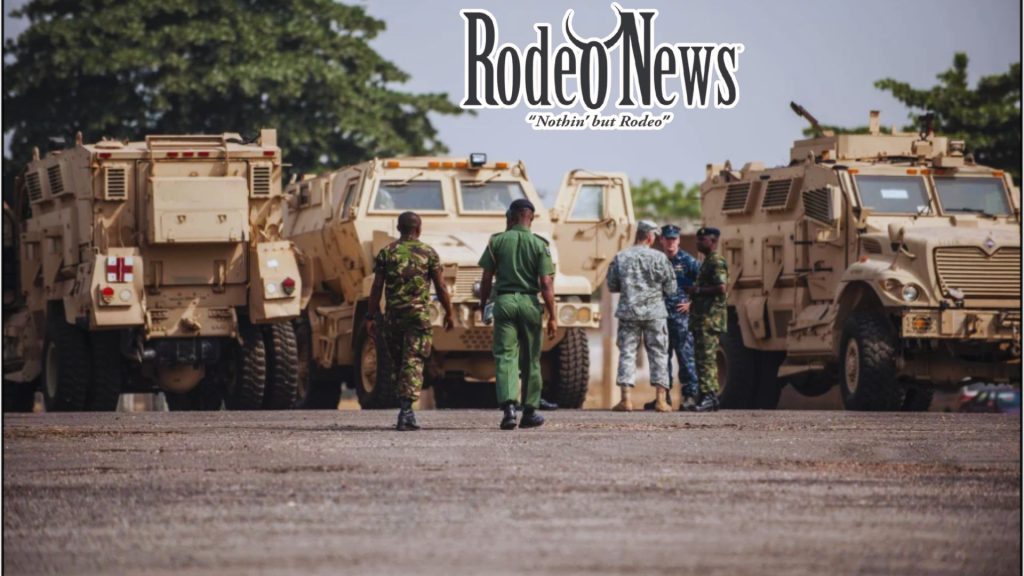
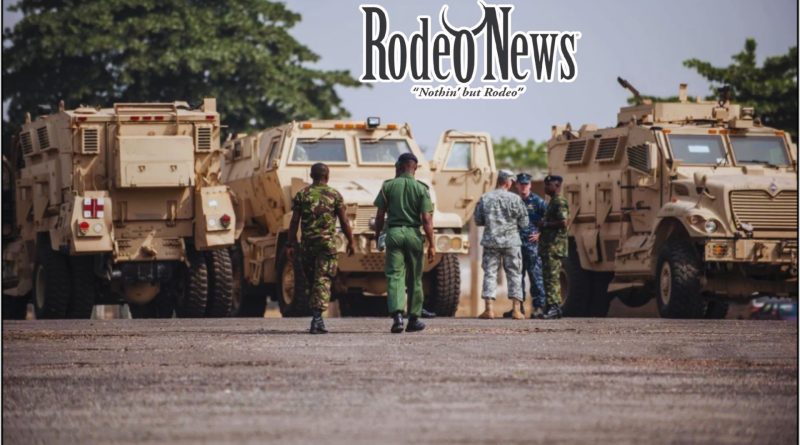
Defense Secretary Pete Hegseth recently met with Nigeria’s national security adviser, Mallam Nuhu Ribadu, underscoring a desire to work “by, with, and through” the Nigerian government to counter extremist threats.
Tools Beyond the Battlefield
At a congressional hearing, Jonathan Pratt — head of the State Department’s Bureau of African Affairs — confirmed that the plan could involve possible military engagement. Still, he emphasized other instruments, including policing support, economic development, and interfaith initiatives.
Judd Devermont, a senior adviser at the Center for Strategic and International Studies, pointed out that structural challenges in Nigeria cannot be resolved by military force alone. He highlighted the need for capacity-building in policing and governance, as well as collaborative and long-term partnerships.
Risks and Realities of Intervention
While Nigeria’s government has welcomed U.S. support, it has rejected any form of unilateral military intervention. Analysts warn that uncoordinated U.S. involvement could backfire: misreading the complex web of violence in Nigeria could lead to civilian harm or even exacerbate instability.
Militant groups like Boko Haram and the Islamic State West Africa Province (ISWAP) operate in a fluid environment, including in border regions around Lake Chad, complicating targeting and response efforts.
Security researcher Malik Samuel of Good Governance Africa cautions that deploying forces without a clear understanding of local dynamics poses high risks.He also noted that Nigeria’s own counterinsurgency efforts have sometimes resulted in civilian casualties.
A Long-Term, Cooperative Approach
The shift in U.S. policy suggests recognition that religious violence in Nigeria cannot be solved overnight. According to Devermont, the solution lies in sustained development, better policing, economic investment, and interfaith dialogue — not simply in military might.
For the U.S., success will depend not only on applying pressure but also on building real partnerships with Nigerian authorities. As one State Department official put it, the aim is to empower Nigeria to protect its people — not to replace Nigerian sovereignty