Trump Reverses Position on Epstein Files Amid Growing Pressure
In a rare moment of retreat, former President Donald Trump has reversed his opposition to the release of files tied to convicted sex offender Jeffrey Epstein. Initially adamant in his resistance, Trump’s shift came after it became clear that the congressional measure was gaining unstoppable momentum. Facing the prospect of an embarrassing defeat, Trump agreed to sign the bill if it reaches his desk, signaling the likely passage of the measure in the House and Senate in the coming weeks.
While Trump’s decision was made reluctantly, according to people close to the matter, it was driven by an urgent need to avoid a political setback. The measure, which calls for the release of all documents related to Epstein’s activities, has garnered broad bipartisan support in Congress, and Trump’s continued opposition would have risked a damaging defeat.
The Pressure Mounts
Trump’s about-face came after a series of tense discussions with allies and advisers, who conveyed to him that the release of the Epstein files was now inevitable. Despite his previous attempts to rally Republican lawmakers against it, including pressuring them to abandon the measure, Trump faced the harsh reality that the files’ release was likely to go ahead with or without his consent.
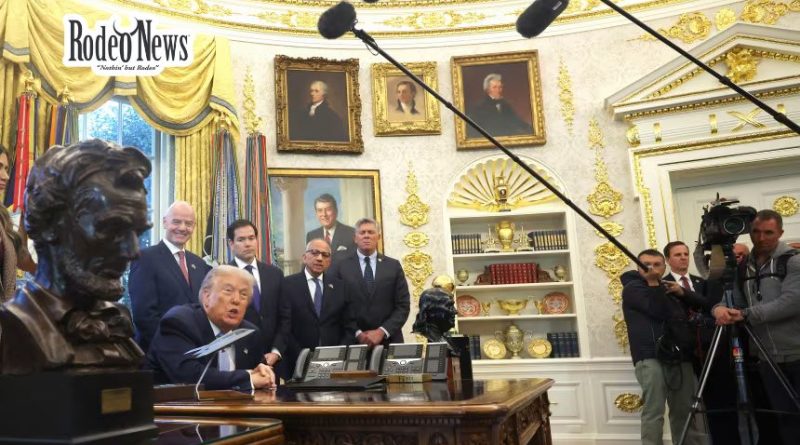
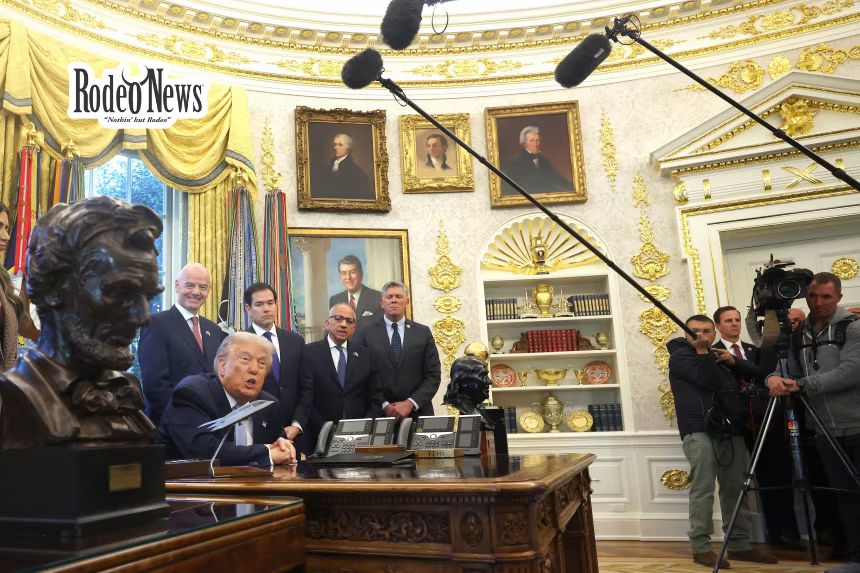
On Monday, Trump finally gave in, telling reporters, “Sure, I would” when asked if he would sign the measure into law. His support for the bill, however, came less as an endorsement and more as a tactical move to clear the way for Republicans to move past the issue. “We’ll just get this done and move it on,” House Speaker Mike Johnson said over the weekend, signaling that the party wanted to shift focus back to more pressing issues.
A Moment of Defeat
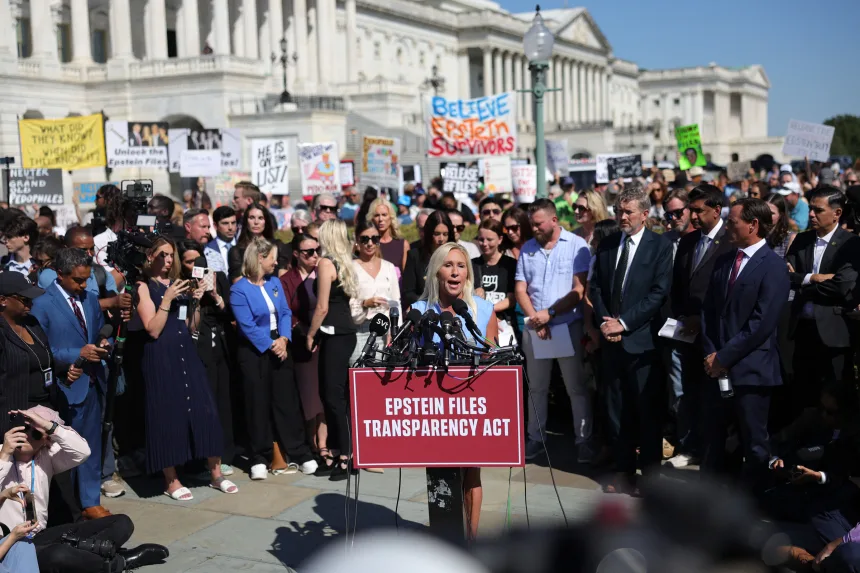
For Trump, a president known for his ability to bend Washington to his will, this reversal represents a rare acknowledgment that his influence was no longer enough to halt a bill with widespread support. Just days earlier, Trump had lashed out at Rep. Marjorie Taylor Greene over her staunch support for the measure, calling her a “traitor” and withdrawing his endorsement. Trump’s sudden shift in position underscores how far the issue had pushed him, and how his initial stance on the matter was increasingly seen as untenable.
Behind the scenes, Trump had made efforts to sway Republican lawmakers, urging them to stand firm against the measure. His administration also worked to minimize the focus on Epstein, with Trump frequently attacking the file release as part of a political strategy to undermine his agenda. In one Truth Social post, he wrote, “The Democrats are trying to bring up the Jeffrey Epstein Hoax again. Only a very bad, or stupid, Republican would fall into that trap.”
Despite his frustration, Trump is now positioning himself to shift attention back to his political priorities, including his administration’s achievements in economic policy. “I want people to recognize the great job that I’ve done on pricing, on affordability,” he said on Monday. “I don’t want to take it away from the greatness of what the Republican Party has accomplished.”
The Bigger Picture
Although Trump has publicly expressed a desire to move past the Epstein files, he also seeks to turn the issue against the Democrats. In a statement issued by White House spokeswoman Abigail Jackson, Trump’s support for the release of the files was framed as an effort to bring transparency to the matter. Jackson also noted that the Trump administration had done more for Epstein’s victims than the Democrats had.
Meanwhile, Trump has ordered the Justice Department to investigate Epstein’s connections to various political figures, including former President Bill Clinton and prominent economist Larry Summers. However, it is important to note that neither Clinton, Summers, nor Trump himself have been implicated in any criminal activity related to Epstein.
The move to release the files has sparked fresh questions about whether the Justice Department will intervene and block any attempts to release documents. While Trump has not directed the department to stand in the way, the issue remains unresolved, with key decisions likely weeks away.
Looking Ahead
As the debate over the Epstein files continues to unfold, Senate Majority Leader John Thune has expressed concerns about the language of the measure, signaling potential roadblocks in the Senate. With Congress heading into a Thanksgiving recess, the measure’s future remains uncertain, but its passage in the House seems all but assured.
For Trump, the Epstein issue is now a potential distraction in the lead-up to next year’s crucial midterm elections. While he may have signed on to the release of the files to quell further controversy, the broader political landscape will determine whether the issue resurfaces as a campaign issue.

In the end, Trump himself acknowledged that no matter what is revealed, “it’s never enough.” For the moment, however, he and his allies are hoping that the release of the Epstein files will soon fade from the political spotlight, allowing them to refocus on their preferred policy priorities.