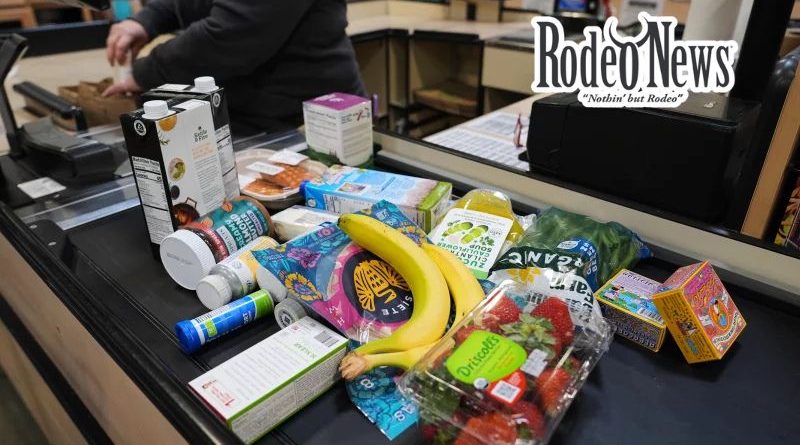
Supreme Court Extends Block on Full SNAP Payments as Shutdown Nears Resolution
WASHINGTON D.C. — The U.S. Supreme Court on Tuesday extended its temporary order blocking full payments for the Supplemental Nutrition Assistance Program (SNAP), leaving millions of low-income Americans in a state of uncertainty. The extension comes amid mounting signs that the government shutdown could soon come to an end, potentially allowing food aid payments to resume.
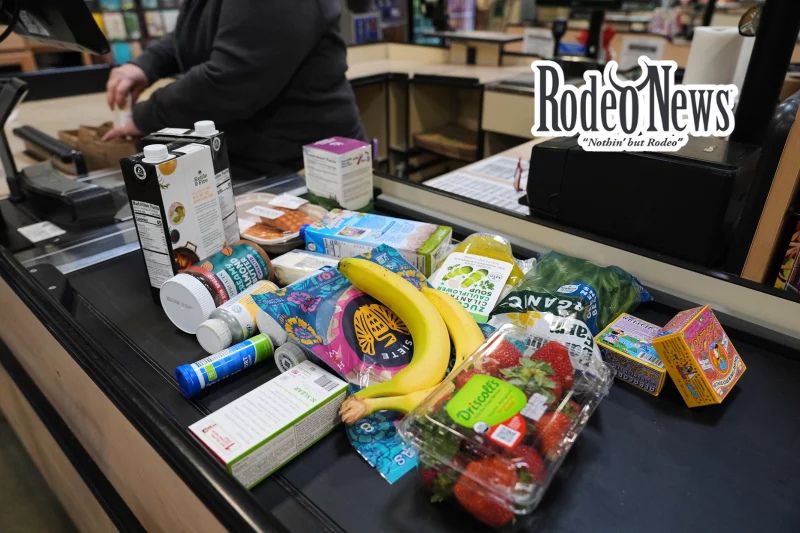
As the shutdown enters its third week, SNAP recipients in some states have received their full monthly allocations, while others have received nothing—or partial payments. The confusion and disruption have led to financial hardship for many households that rely on SNAP to purchase food.
The Supreme Court’s decision, which effectively pauses any immediate changes to the SNAP program, will expire just before midnight on Thursday. This extension adds to the sense of chaos, as federal government operations remain in a state of limbo.
The Impact of the Shutdown on SNAP Beneficiaries
SNAP, which serves approximately 42 million Americans, is a critical safety net for those struggling to afford basic food needs. However, the federal government shutdown has caused a severe disruption in the program. Some states have issued partial payments, while others have completely withheld benefits. For those who have received less—or nothing at all—the effects have been devastating.
Carolyn Vega, a policy analyst at the nonprofit Share Our Strength, noted that it’s easier for states to issue full SNAP payments quickly rather than partial ones. However, there are technical challenges involved in ensuring that the remaining amounts can be distributed to those who have received only partial assistance.
Pennsylvania’s Struggling Beneficiaries
For residents like Jim Malliard of Pennsylvania, the situation is dire. Malliard, a full-time caretaker for his wife and daughter, has been without his $350 SNAP payment since the shutdown began. With only $10 left in his account and little food left in the pantry, Malliard’s situation is becoming increasingly stressful. “To say anxiety has been my issue for the past two weeks is putting it mildly,” he said.
As part of his routine, Malliard has been counting every penny, trying to make his pantry last as long as possible. “It’s kind of been a lot of late nights, making sure I had everything down to the penny,” he explained.
Legal and Political Backdrop
The legal conflict surrounding SNAP payments began in late October, when a series of court rulings prompted the government to partially restore SNAP funding. On October 31, federal judges ruled that the government should provide at least partial payments for the program. Despite initial resistance, the Trump administration complied, allocating up to 65% of regular benefits. However, a subsequent ruling required the government to restore full payments for the month of November.
The U.S. Supreme Court intervened, issuing a stay on the full funding order while awaiting resolution. Justice Ketanji Brown Jackson was the lone dissenter in the case, calling for the immediate reinstatement of full SNAP benefits but did not provide further explanation for her decision.
Congressional Efforts to End the Shutdown
The political battle in Washington has intensified, with the Senate passing a bill on Monday that would reopen the government and replenish SNAP funds. House Speaker Mike Johnson has called on lawmakers to return to Washington for a vote, signaling potential movement toward ending the shutdown.
However, President Trump has yet to express full support for the deal. While he has suggested that a resolution is near, the administration’s stance remains uncertain. “It looks like we’re getting close to the shutdown ending,” Trump told reporters, but added that finalizing the deal will take more work.
The Trump administration has also argued that the solution should not come from federal courts but from Congress. Solicitor General D. John Sauer made it clear that the executive branch believes Congress should take the lead in reopening the government to resolve the crisis.
Legal and Advocacy Groups React
The ongoing confusion surrounding SNAP payments has prompted a wave of criticism from advocacy groups and local governments. A coalition of cities and nonprofit organizations filed a brief in court Tuesday, blaming the U.S. Department of Agriculture (USDA) for the delays and lack of clarity regarding the program.
“The chaos was sown by USDA’s delays and intransigence,” the coalition argued in their filing, adding that the Department’s handling of the SNAP program exacerbated the hardship faced by millions of families in need of food assistance.
Looking Ahead
As the deadline approaches for the Supreme Court’s order to expire, both legal and political developments will likely determine whether full SNAP payments resume soon. Beneficiaries, like Malliard, are hoping for swift action to end the shutdown and bring much-needed stability to the lives of millions of Americans who rely on the program.
With government talks heating up in Washington and uncertainty still hanging over the legal proceedings, the next few days could prove crucial for SNAP recipients across the nation. However, for now, millions remain in a state of anxiety, unsure whether they will receive the support they need to feed their families.