
What Does the Grounding of UPS and FedEx MD-11 Planes Mean for Holiday Shipping?
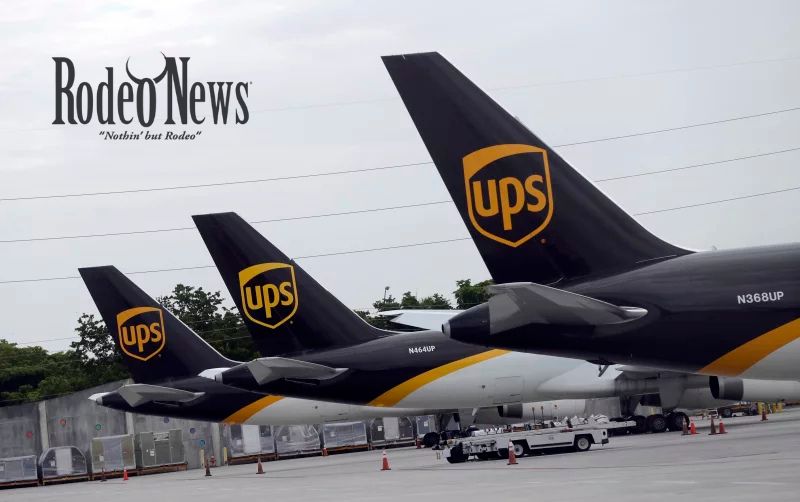
The Federal Aviation Administration (FAA) issued an emergency directive this weekend grounding McDonnell Douglas MD-11 aircraft used by UPS and FedEx. This directive follows a fatal crash involving a UPS MD-11 aircraft in Louisville, Kentucky, that claimed the lives of 14 people. The grounding of these planes—part of both UPS and FedEx’s cargo fleets—could potentially disrupt the holiday shipping season, which is already anticipated to see record-breaking volumes of packages.
FAA’s Grounding Directive and Its Implications
The FAA’s emergency order prohibits the operation of MD-11 aircraft, citing concerns about a “likely” unsafe condition that could affect other aircraft of the same model. The grounding came after a tragic accident involving a UPS MD-11, which took place shortly after takeoff last week. While the cause of the crash is still under investigation, Boeing, which merged with McDonnell Douglas in 1997, recommended that MD-11 operators suspend flights until further analysis is conducted.
Despite the grounding, aviation experts caution that the potential impact on shipping could vary depending on how long the planes remain out of service. Although MD-11s represent a relatively small portion of UPS and FedEx’s fleets, the timing of the grounding, coming just weeks before the holiday peak, could create shipping delays if the planes are grounded for an extended period.
How Many Planes Are Affected?
UPS and FedEx both operate a substantial number of cargo planes, but the MD-11s represent only a small fraction of their fleets. UPS, for example, uses 26 MD-11s out of more than 500 aircraft, while FedEx operates 28 MD-11s as part of a fleet of approximately 700 planes. These aircraft were introduced in the 1990s and have been a staple of both companies’ cargo operations for decades, despite being gradually phased out in favor of more efficient planes like the Boeing 767.
In fact, both UPS and FedEx have been planning to retire their MD-11 fleets in the coming years, with FedEx having already decommissioned 20 of the aircraft and aiming to retire the rest by 2032. While the MD-11s are crucial for long-haul cargo flights, they represent only a small portion of the total capacity for each company.
Could Holiday Shipping Be Delayed?
Shipping experts agree that, while the MD-11 grounding could potentially cause disruptions, both UPS and FedEx are well-prepared for the challenges posed by the busy holiday season. The companies have contingency plans in place, including shifting cargo to other planes, trucks, and even trains to keep deliveries moving. However, aviation specialists caution that, depending on the duration of the grounding, the disruption could affect delivery times, especially as the volume of packages spikes during the holidays.
Jeremy Tancredi, a partner at West Monroe consulting firm, explained that the grounding of 26 planes could have a significant impact as the holiday rush intensifies. “As that peak volume increases and you need every bit of transportation capacity, not having 26 planes could be a real big factor for them,” Tancredi said.
Each MD-11 aircraft is capable of carrying 20,000 packages, so even though they make up a small portion of the fleets, their absence could be felt during the holiday shipping rush. Mike Stengel, a partner at AeroDynamic Advisory, further pointed out that the impact could become more pronounced if the grounding extends for more than a few weeks, especially with holiday deliveries expected to jump by 5% compared to the previous year.
How Will FedEx and UPS Manage the Disruption?
UPS and FedEx have both reassured customers that they are doing everything possible to minimize any disruption caused by the grounding. Experts say that both companies are likely to adjust by utilizing their existing networks and finding alternative ways to move packages—whether that means shifting some cargo to passenger planes or rerouting shipments via ground transportation.
FedEx and UPS typically operate overnight flights to avoid daytime air traffic congestion, which should help mitigate some of the impact. Additionally, the recent FAA reductions on daytime flights due to the government shutdown should not significantly affect the nighttime operations of these carriers, which mainly focus on air cargo.
What Does This Mean for Shoppers and Shippers?
For consumers planning to send packages during the holiday season, experts recommend shopping early to ensure timely delivery. While the grounding may not have an immediate or dramatic effect, the closer we get to the holidays, the more pressure will be placed on the already strained shipping infrastructure.
“With the rail network taking on more capacity, and ground transportation filling in gaps, there’s still time to order online and get your holiday packages there,” Tancredi advises.
Despite the concerns, the delivery industry is used to handling disruptions, and both UPS and FedEx have extensive experience managing logistical challenges, particularly during peak periods. Still, customers who rely on timely holiday shipping may want to be cautious and plan their orders well in advance.
Conclusion: Grounding Could Cause Delays, But It’s Not All Doom and Gloom
While the grounding of UPS and FedEx MD-11 planes is certainly a cause for concern, it’s unlikely to bring holiday shipping to a halt. Both companies have robust contingency plans in place, and the impact of the grounding will depend largely on how long the planes remain grounded. Shoppers should be mindful of the potential for delays, especially as the holiday rush ramps up, and consider sending their packages earlier than usual to avoid last-minute stress.