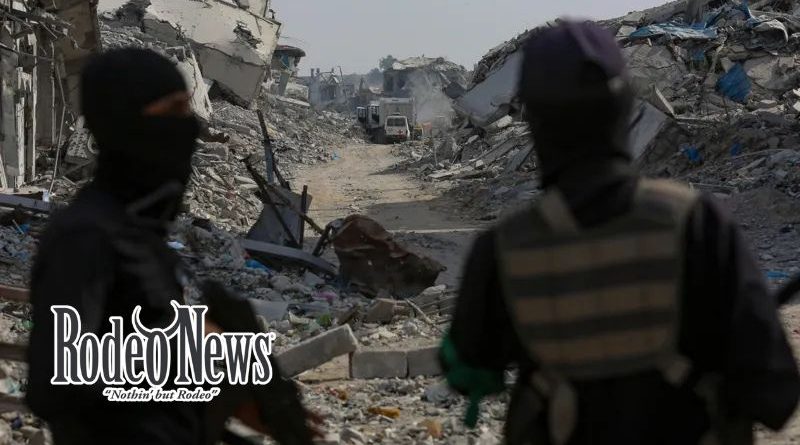
Hamas Hands Over Coffins Containing Deceased Gaza Hostages
In a significant development, Hamas has handed over three coffins containing what it claims to be the bodies of deceased hostages from Gaza. The coffins were transported to Israel via the Red Cross, marking a tense moment in the ongoing ceasefire negotiations and the broader Israel-Gaza conflict.
The coffins were received by the Israeli military, who are now working to formally identify the bodies. If confirmed as hostages, the transfer would indicate that eight Israeli and foreign hostages remain unaccounted for in Gaza. The release of the bodies is part of the first phase of a ceasefire deal brokered by the United States last month, which included an agreement for Hamas to return both living and deceased hostages held in Gaza.
Ceasefire Deal Under Pressure
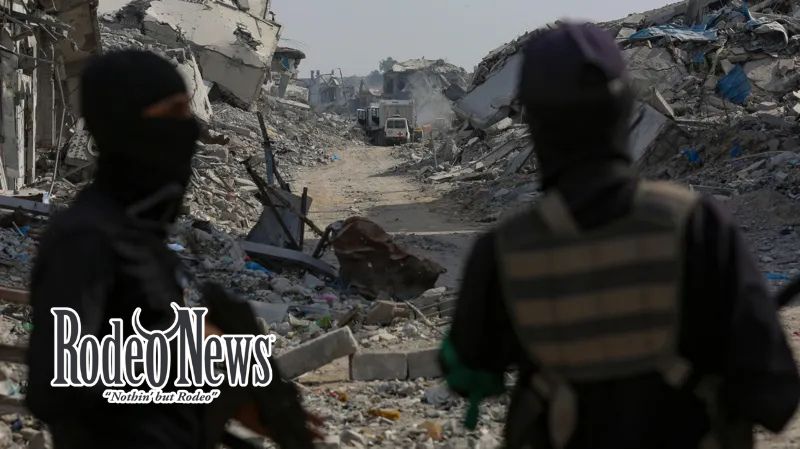
The ceasefire, which began last month, was intended to pave the way for the release of 20 living hostages and 28 deceased hostages. While many hostages have already been released, the pace of returning the deceased has been a point of contention. Israel has accused Hamas of delaying the return of the bodies, while Hamas has cited the difficulty of recovering remains trapped under the rubble in Gaza.
Hamas’s armed wing, the Al-Qassam Brigades, stated that the remains of the deceased hostages were recovered earlier this week from “one of the tunnels in the southern Gaza Strip.” This claim was later confirmed by Israel, which stated that the coffins were transported through the Red Cross to ensure neutrality and humanitarian protocol during the transfer.
Families Demand Action from Netanyahu
The transfer of the coffins has added emotional weight to the already charged atmosphere surrounding the hostage situation. In a statement, Israeli Prime Minister Benjamin Netanyahu expressed his condolences, stating, “All of the hostages’ families have been updated accordingly, and our hearts are with them in this difficult hour.” Netanyahu also emphasized that efforts to bring back all hostages, alive or deceased, would continue until the last individual was returned to Israel.
However, the Hostages and Missing Families Forum has expressed frustration with the pace of the recovery process. The group has called on Netanyahu to act with greater urgency, demanding that all deceased hostages be returned to Israel without delay. “The Hostage Families demand that the prime minister act with determination and firmness in order to return all of the deceased hostages to Israel’s hands,” the forum stated.
Military Operations and Civilian Impact
Amid the ongoing humanitarian crisis, Israel’s military operations in Gaza have continued. On Sunday, an Israeli airstrike targeted a man in northern Gaza, according to the Hamas-run health ministry. Israel has stated that the target was a militant posing a threat to its soldiers. The escalation of airstrikes and ground operations highlights the fragile nature of the ceasefire agreement, with both sides accusing each other of violating its terms.
Since the ceasefire began, Israel has released the bodies of 225 Palestinians in exchange for the remains of 15 Israeli hostages, including those of two foreign nationals—one Thai and one Nepalese. These exchanges are part of the broader negotiations designed to secure the return of all hostages and facilitate humanitarian aid into Gaza.
The Bigger Picture: Hostage Crisis and Ongoing Conflict
The fate of the remaining hostages is a source of deep emotional pain and political friction. Out of the 11 dead hostages still believed to be in Gaza, nine were Israeli, while one was Tanzanian and another Thai. Most of these hostages were captured during the brutal Hamas-led attack on southern Israel on October 7, 2023, when over 1,200 individuals were killed in what has been described as one of the most horrific days in Israeli history.
In retaliation, Israel launched a military campaign in Gaza, which has resulted in severe casualties on both sides. According to the Hamas-run health ministry in Gaza, over 68,500 Palestinians have died as a result of the conflict. These staggering numbers reflect the ongoing human toll of the war, which continues to devastate families and communities on both sides of the border.
As international mediators continue to work behind the scenes, the pressure on both Hamas and Israel to uphold the terms of the ceasefire is mounting. The return of deceased hostages, though a small step in the larger effort, remains a poignant reminder of the conflict’s tragic human cost.
Conclusion: A Long Road Ahead
The handover of the three coffins containing deceased hostages marks a somber milestone in the ongoing efforts to resolve the Israeli-Palestinian conflict, but it is far from a conclusion. With hostages still missing and both sides accusing each other of violating the ceasefire agreement, the path forward remains uncertain. As both Hamas and Israel continue to navigate this complex and emotionally charged situation, the international community will be closely watching for further developments and a possible end to the bloodshed.