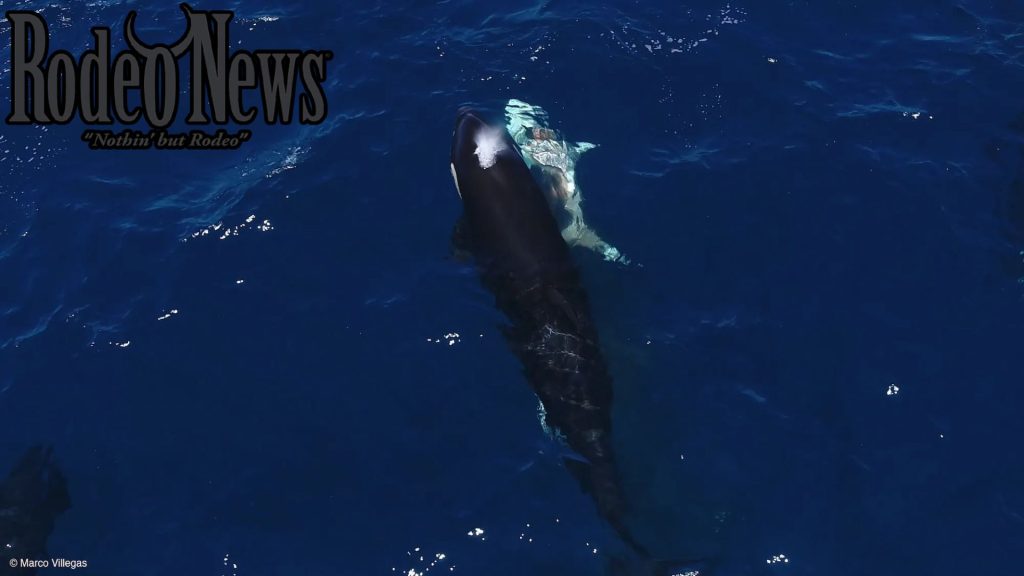
The ocean’s hierarchy of predators—long dominated by creatures like the Great White Shark—is facing a remarkable disruption. New research reveals that the Orca, also known as the killer whale, isn’t just hunting sharks in pods—it’s now been observed doing so solo. One such event off South Africa’s coast has added a dramatic new chapter to our understanding of marine predation.
A Solo Strike in Mossel Bay
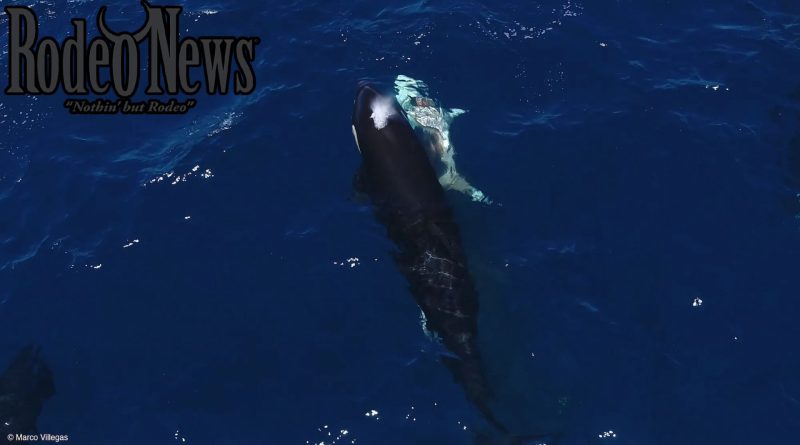
In June 2023, off the coast of Mossel Bay, South Africa, scientists documented something extraordinary: an orca named “Starboard” took down a juvenile great white shark—approximately 2.5 metres (8.2 feet) long—and removed and carried its liver in under two minutes.
What makes this significant is not just the kill, but the fact that it occurred solo. Typically orcas hunt in pods when pursuing large prey.
Why the Liver?
This behaviour isn’t random. Over years of investigation, researchers found that certain orcas repeatedly target shark livers—perhaps because of their high lipid content—and leave the rest of the carcass largely untouched.
In earlier cases off South Africa, two males—known as Port (orca) and Starboard—were observed working together to hunt white sharks and extract their livers since around 2017.
This specialised feeding technique raises significant ecological questions about both predator and prey.
Ecosystem Ripples
When apex predators shift behaviour, the consequences can ripple through entire ecosystems. In the case of shark‑hunting orcas:
Large numbers of great white sharks have vacated coastal areas near Cape Town after orca attacks became known.
The displacement or loss of a traditionally dominant predator can affect prey populations, reef health, kelp forests and beyond.
Monitoring how orca behaviour evolves is essential for conservation strategies—not just for sharks, but for the broader marine environment.
What This Tells Us
Behavioural adaptability — Orcas are not static in their hunting strategies. A solo predation of a great white marks a significant behavioural milestone.
Predator hierarchies are fluid — The “top predator” label is context‑dependent. For some ecosystems, orcas may now occupy that role over great whites.
Conservation implications — Changes in predator interactions may affect human interests too, such as shark‑tourism, fisheries, and marine protection zones.
Final Thoughts
The image of an orca hunting a great white shark might surprise many—but it reminds us that nature is dynamic. The ocean is not a static food chain but a shifting web of interactions. As orcas demonstrate new predation habits, our understanding of marine ecosystems must evolve too.
The next time you glimpse a great white shark near the surface, remember: somewhere nearby might lurk a creature even more formidable