Europe’s Largest Bat Finally Caught Bird-Hunting in Mid-Air After 25 Years
Europe’s Biggest Bat Reveals Its Secret Aerial Hunt
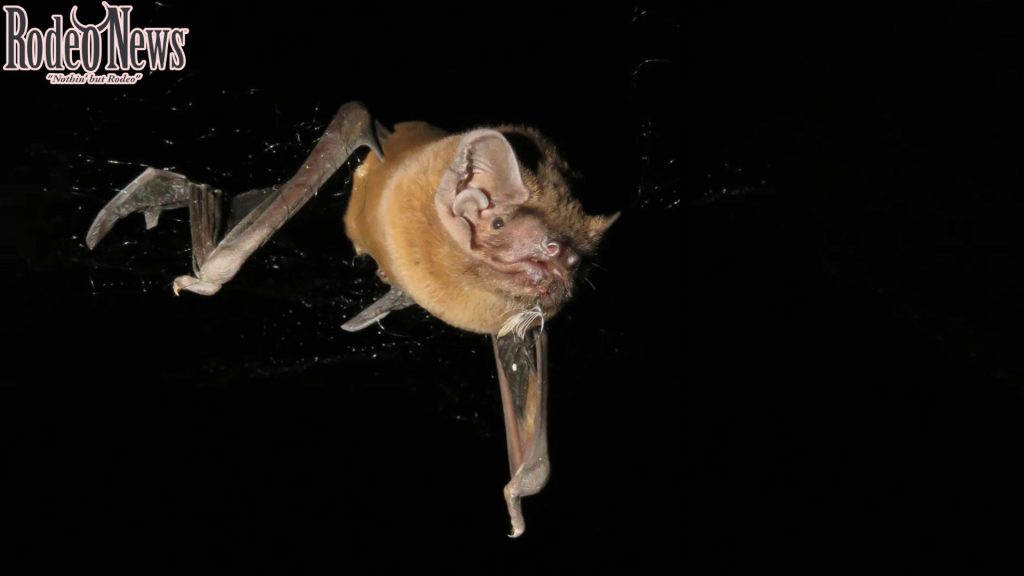
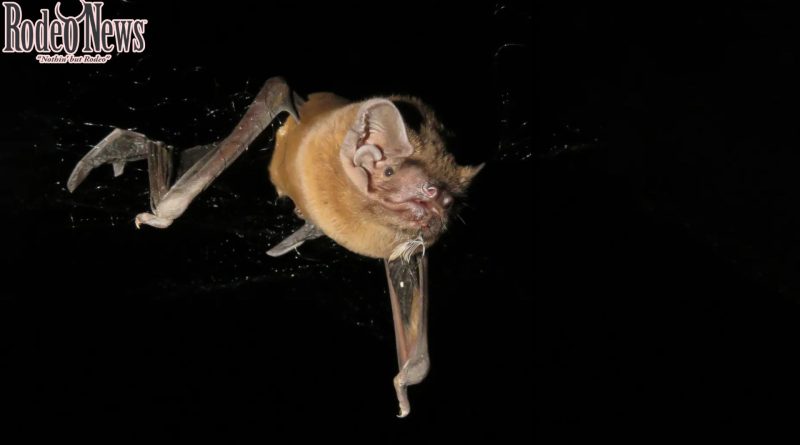
It took roughly 25 years, but scientists have now uncovered definitive proof that the Greater Noctule Bat ( Nyctalus lasiopterus ) — Europe’s largest bat species — hunts and devours small songbirds while flying high above the ground.
Riding Along with the Hunters
Researchers at Aarhus University equipped individual bats with ultralight biologgers to monitor altitude, acceleration, movement and sounds — including echolocation calls.
The data revealed the bats climbing to more than 1 km above ground before diving down to ambush migrating songbirds. Because these birds travel at night to avoid daytime predators, the bat’s strategy leverages the cover of darkness.
Supersonic Style: Dives, Calls and Mid-Flight Feeding
The biologgers recorded steep, high-speed dives lasting from 30 up to 176 seconds, during which the bats increased acceleration and emitted rapid attack calls. In one successful chase, a bat captured a robin and, astonishingly, was heard chewing its prey for 23 minutes while still flying low to the ground.
Evidence from wing remains under roosts — along with DNA and X-ray analyses — confirm that the prey were indeed small birds. In the process, the bat removes the bird’s wings (reducing drag) and uses the membrane between its hind legs like a pouch to hold the prey mid-flight.
A Long-Held Hypothesis Finally Validated
For decades, scientists had suspected that some large bat species might hunt birds. Early clues came from finding bird feathers in droppings of greater noctules. But direct observation remained elusive because filming at great height and in darkness is extremely difficult.
The novel biologger technology turned the key: lightweight, high-resolution data allowed the definitive capture of this behaviour — once dismissed as unlikely, given that a songbird can weigh half as much as the bat itself.
Conservation Implications
Despite this dramatic hunting strategy, the greater noctule poses no threat to songbird populations — it is rare and endangered in many parts of Europe, largely due to forest habitat loss.
Understanding its unusual hunting behaviour provides important insight for conservation and management strategies for this remarkable species.
Why This Matters
This discovery challenges long-held assumptions about bat predation: rather than just insects, large bats can and do hunt vertebrate prey mid-air.
It sheds light on the complexity of night-time aerial ecosystems, where migratory birds flying high are vulnerable to stealthy predators.
It underscores how modern biologger technology is transforming our ability to observe elusive behaviours in wild animals.
For conservationists, deeper knowledge of the greater noctule’s ecology can guide protection efforts—especially because it relies on large forested habitats and high-altitude hunting routes.