Clarivate’s Web of Science Accused of Involvement in Dubious Awards Scheme in Iraq
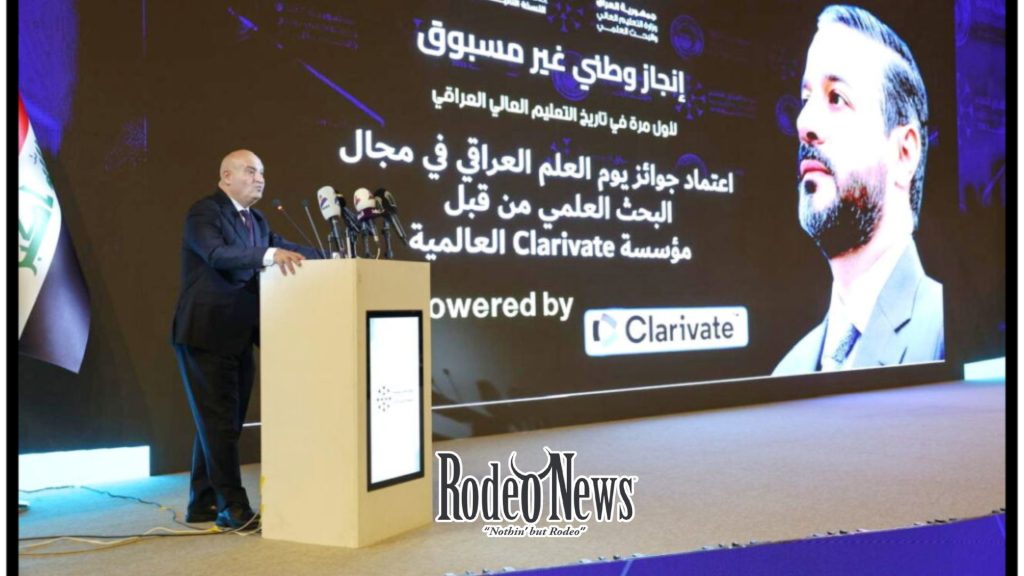
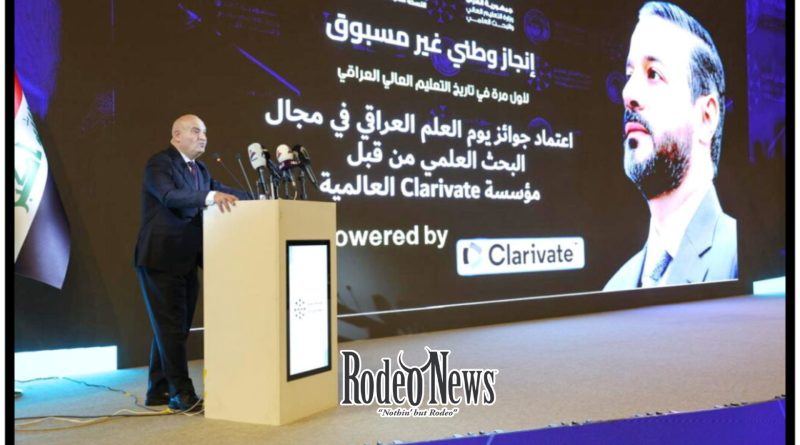
An investigation published by Retraction Watch has raised serious concerns about the involvement of Clarivate’s flagship indexing service, Web of Science (WoS), in dubious awards programmes in Iraq. According to documents reviewed by Retraction Watch, the scheme allegedly used the prestige of the WoS brand to lend legitimacy to awards and recognition that may not have met rigorous academic standards.
What happened?
The story centres on Iraqi academics who reportedly received “award” certificates and recognitions that claimed affiliation with WoS indexing or Clarivate-endorsed metrics. The investigation suggests that certain organisers leveraged the Web of Science brand to market awards and honours to researchers in Iraq — putting pressure on academics to participate in order to enhance their status or careers.
Why it matters:
The use of a high-profile brand like Web of Science implies credibility and rigorous peer-review or indexing oversight. If the awards are in fact not backed by Clarivate, that misleads recipients, institutions and stakeholders.
For Iraqi academics, many institutions tie promotions, funding or degrees to publications and recognitions. If awards are unvetted or misleading, this undermines trust in the academic system.
Broader implications include the potential damage to Clarivate’s brand, and to research integrity globally: indexing services and citation databases rely on trust, transparency and clear governance.
Clarivate’s position:
While Clarivate has taken steps in recent years to address research integrity — including excluding citations to retracted articles from Journal Impact Factor calculations.
Clarivate
+2
Information Today Europe
+2
— this new report suggests there may be gaps in how the company’s brand is used, especially in regional contexts where oversight may be weaker.
What we don’t yet know:
It remains unclear exactly how many awards were tied to the Web of Science brand, or how many academics were impacted.
The degree of Clarivate’s direct involvement (or lack thereof) in the awards scheme has not been fully disclosed.
The extent to which Iraqi institutions will respond or reform their recognition processes has yet to emerge.
Why this is a wake-up call:
This case underscores the vulnerability of academic systems — particularly in countries where pressures to publish, achieve awards and gain indexed citations are intense. It also reminds indexing and citation-metric providers that their brands and databases can be leveraged in ways they may not anticipate. For researchers, institutions and policymakers, the key take-aways include:
Scrutinise awards, recognitions and “indexing” claims: Does the awarding body have genuine credentials?
Ensure transparency in how recognitions are linked to metrics, indexing or indexing services like WoS.
Strengthen institutional oversight: Universities and research entities must verify claims about indexing or awards rather than simply accepting prestige at face value.
Next steps:
Clarivate may need to publicly clarify its relationship with such awards and how it monitors use of its branding, particularly in markets with less oversight.
Iraqi academic institutions must review all awards and recognitions linked to indexing services or citation metrics and ensure they are valid, properly vetted and aligned with international standards.
Researchers should remain cautious about “quick fix” awards or recognitions that appear tied to indexing prestige — especially if they require payment, guaranteed publication or opaque processes