New York City’s 2025 Mayoral Race: What the Results Tell Us
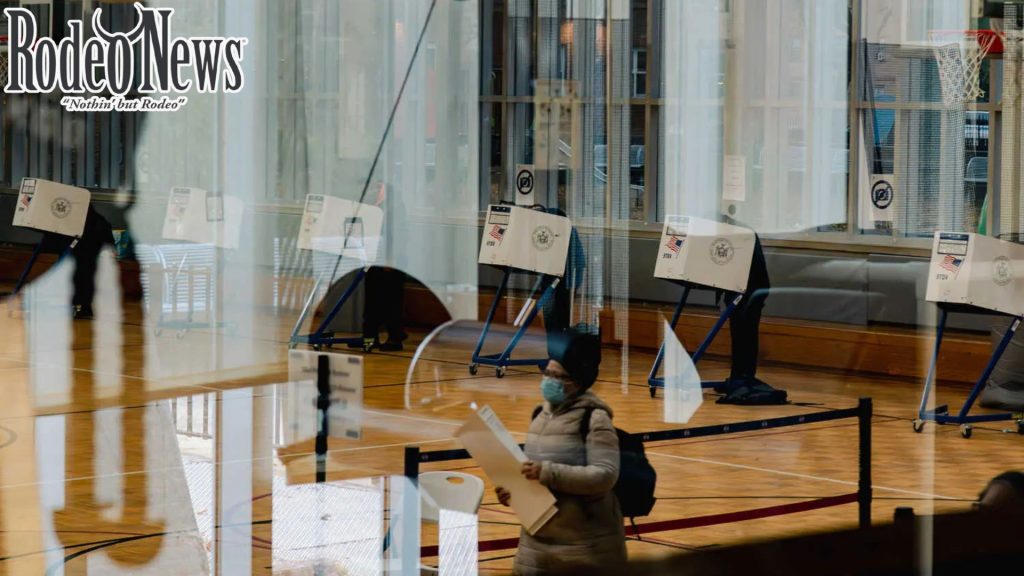
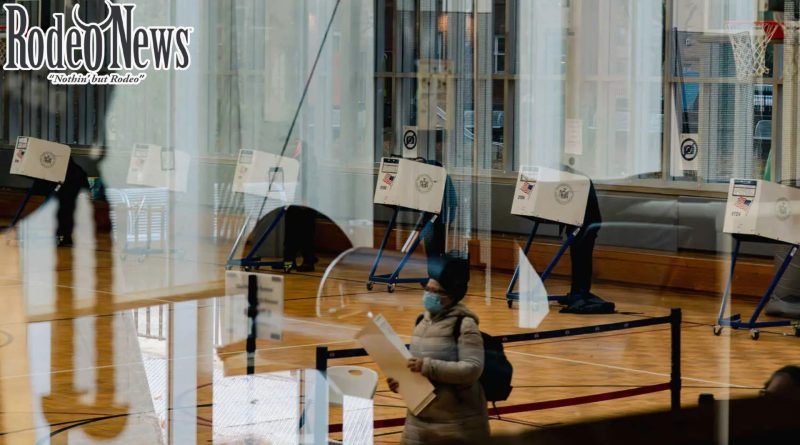
The 2025 New York City mayoral election concluded with voters casting their ballots amid heightened scrutiny of crime, housing affordability, and the city’s economic recovery. After a contentious campaign cycle, the results offer clear signals about where New York City stands—and where it may head.
The Voter Verdict
Turnout this year reflected a renewed civic engagement. Voters prioritized experienced leadership capable of navigating complex urban issues. Crime reduction ranked high on many ballots, as did the need for affordable housing solutions and stronger community services. The winning candidate successfully tapped into these concerns while presenting a credible plan for change.
What The Winner Promised
The new mayor will inherit a city grappling with multi-layered challenges: rising rents, a shifting workforce, and public safety concerns. Their campaign pledged to:
Strengthen neighborhood policing and invest in violence prevention programs.
Expand access to moderate-income housing and streamline planning approvals.
Foster economic opportunities across all boroughs, including underserved communities.
Improve transit reliability and invest in infrastructure to support future growth.
Implications for the City
With a fresh mandate, the administration must balance urgency with realism. The first 100 days will be crucial in setting tone and priorities. The mayor’s team will likely roll out an action plan targeting the most immediate pain points: homelessness, subway delays, and fiscal pressures.
At the broader level, the election outcome signals a voter preference for pragmatic solutions over ideological showmanship. It also suggests that New Yorkers are less interested in sweeping reform for its own sake, and more in measurable progress on everyday issues.
Challenges Ahead
Even with clear direction, the path forward is steep. Key obstacles include:
Budget constraints: City revenues are under pressure, and lofty promises must be matched with sustainable financing.
Community buy-in: Policies around housing and policing often provoke strong reactions; stakeholder engagement will be critical.
External factors: Global economic shifts, climate risks, and federal policy changes all bear on the city’s trajectory—and lie largely outside municipal control.
Conclusion
The 2025 New York City mayoral election has given the city a leader whose mandate reflects practical aspirations: safer streets, fairer housing, and inclusive growth. Now begins the harder part—turning campaign commitments into visible improvements. The next few years will show whether this vote becomes a turning point for the city or merely a chapter in an ongoing story.
Once you copy this into WordPress, you may add relevant tags (for instance: NYC election, mayoral race, 2025 politics) and set a featured image that represents New York City political engagement (such as voters at the polls or mayoral candidates on stage).
If you want a deeper dive into candidate profiles, borough-level breakdowns, or a timeline of key events, I can create follow-up articles as well.