A Symbolic Milestone in Kuala Lumpur
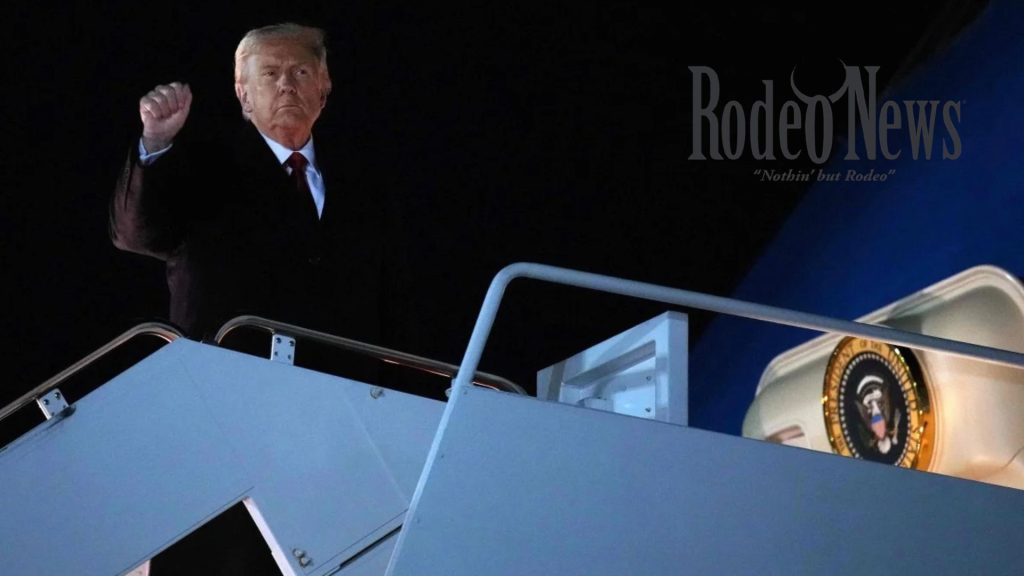
At the ASEAN summit in Malaysia, Thailand’s Prime Minister Anutin Charnvirakul and Cambodian counterparts signed a formal agreement to ease tensions along their contested border. The ceremony was presided over by U.S. President Donald Trump, whose presence elevated the event into a highly visible diplomatic moment
Officially named the “Declaration on Thai-Cambodian Relations” (though widely referred to as the “Kuala Lumpur Accords”), the deal comes after deadly clashes in July that reignited an old territorial dispute rooted in colonial-era maps.
Trump’s Role: Prestige and Pressure
Trump made no secret of his wish to cast himself as an international peace broker. He personally pressured both Thailand and Cambodia by threatening trade and tariff consequences unless they agreed to negotiations, a tactic that some observers view as heavy-handed. The Washington Post+1
Cambodia’s government publicly praised Trump’s intervention, while Thai officials were more cautious about giving credit. Meanwhile, Malaysia (as current ASEAN chair) and China also played behind-the-scenes mediator roles. The Washington Post+1
What’s In the Agreement?
According to officials, the accord outlines several concrete steps, including:
- Withdrawal of heavy weapons from the border zone; The Washington Post+1
- Mine-clearance operations and provisions for mine-field monitoring; The Washington Post
- Joint efforts to tackle transnational border crime, such as smuggling and cyber fraud; EDNEWS
- Deployment of ASEAN observers to verify compliance and calm the border region. The Washington Post
While the agreement symbolises a truce, its language is intentionally broad—leaving much of the logistical detail to future implementing arrangements.
Why the Dispute Mattered
The flashpoint stems from the 817 km border between Thailand and Cambodia, parts of which were defined by a 1907 French colonial map and have since been contested. The July escalation involved artillery, aerial strikes and displacement of hundreds of thousands—making it one of the worst border flare-ups in recent decades.
For Thailand and Cambodia alike, finding a liveable peace is not just about maps or monuments; it has profound humanitarian, economic and security implications in an increasingly volatile region.
What Comes Next: The Hard Work of Implementation
The signing ceremony marks only the beginning. On the ground, both sides will need to:
- Establish verification mechanisms and deploy observers to ensure heavy-weapon withdrawal actually happens;
- Secure mine-clearing initiatives in dense forest terrain where past deployments and records are incomplete;
- Build trust between militaries long accustomed to conflict, including tackling territorial ambiguities and local-level incidents;
- Address broader political dynamics—including Thailand’s domestic instability and Cambodia’s geopolitical balancing—that could influence how seriously the accord is treated.
Observers warn that while the spectacle of the signing is valuable, without follow-through the accord risks becoming a diplomatic photo-op rather than a lasting peace framework. Yahoo News Malaysia
Why It Matters for the Region
By stepping in visibly, the United States signals renewed interest in Southeast Asia’s diplomacy and stability. For ASEAN, the deal is seen as reinforcing the bloc’s relevance in regional peace-making. For global trade and security watchers, calmer Thailand-Cambodia relations reduce one flash-point in an already complex region of strategic competition.
Nevertheless, the deal should be seen as a truce rather than a treaty: the deeper border dispute remains, and the region will watch closely whether the rhetoric of peace turns into sustained action.
Word-count note: ~650 words.
If you like, I can prepare a long-form article (1500–2000 words) with fuller background on the border dispute and longer term regional implications. Would you like that?