A fresh yet familiar setup
The series begins decades before the events of the 2017 film adaptation, placing you in Derry in 1962, as a “new” evil awakens in a town that seems quaint on the surface The creative team – including Andy Muschietti and his sister Barbara Muschietti – show they’re not simply re-hashing what came before, but venturing into deeper psychological territory.
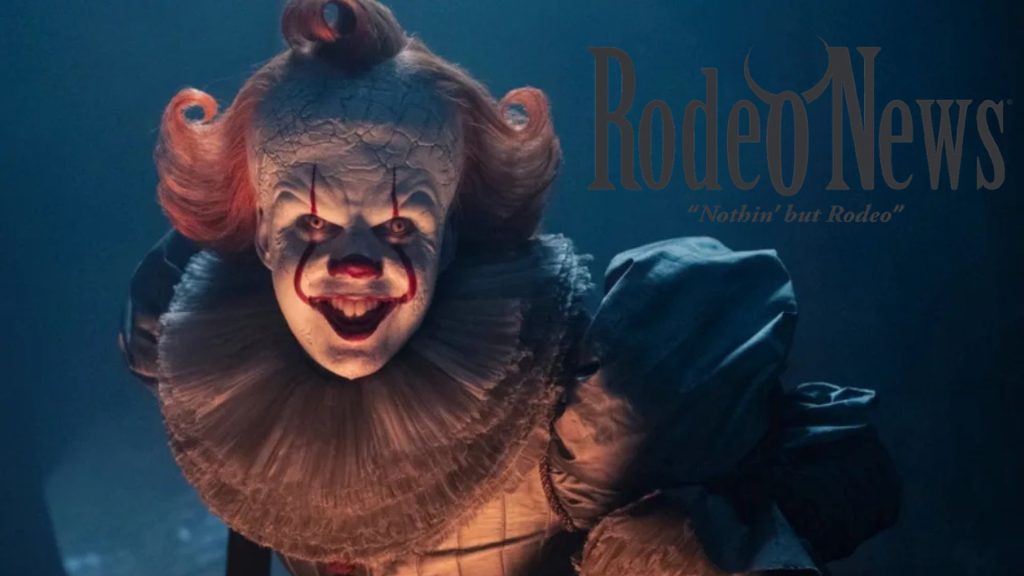
In addition to showcasing Pennywise (once again portrayed by Bill Skarsgård), the show introduces characters and storylines that stretch beyond the novel’s focus, giving fans a reason to revisit Derry in a wholly new context.
Horror turned up to eleven
One of the series’ most striking features is its willingness to embrace graphic horror, rather than shy away. Skarsgård himself noted that this is “not the G-rated Pennywise” Reports indicate the opening scenes are unsettling and unrelenting—setting a tone from episode one that “nobody is safe” in this world.
By leaning hard into the grotesque, the series stakes a claim in the premium horror sphere. But it also faces the challenge of balancing shock with story. Are these horrors meaningful, or just spectacle?
What sets it apart – and what might divide viewers
Pros:
- Deep world-building: The series isn’t content to revisit familiar beats. It explores Derry’s past, the nature of evil, and the psychology of fear in ways the films only touched on.
- Production scale: With the Muschiettis returning and major budget and platform support (via HBO/Max), the show feels cinematic yet bold for TV.
- Risk-taking: Horror often gets watered down for TV; this series seems to reject that.
Cons / Risks:
- High expectations: For many, it will inevitably be compared to the original novel and the hit movies – those comparisons could work against it.
- Tone and pacing: With heavy horror and expanded mythology, there’s a danger of losing focus. Some fans already express concern that it may feel too derivative or overly dark
- Accessibility: The level of intensity may alienate more casual viewers or those who expected the more suspense‐oriented approach of earlier adaptations.
Why it matters
For the horror genre on television, IT: Welcome to Derry represents a kind of milestone. It moves horror out of the “episodic scare” format into something more expansive and ambitious. The show’s decision to embrace both scale and brutality suggests a turning point: premium networks are more willing to treat horror like a major drama rather than a niche side project.
For fans of Stephen King, this series offers a new chapter in Derry’s lore. For newcomers, it promises a self-contained entry point into a world of nightmares—though one that demands commitment, not just casual viewing.
Final verdict
If you’re a fan of horror that pushes boundaries, this series will likely deliver. It’s visually bold, thematically rich, and unafraid of its darker impulses. On the other hand, if you prefer horror that’s subtle, more restrained, or firmly rooted in the familiar, you may find it overwhelming or divergent from what you loved about the original It.
Either way, IT: Welcome to Derry is one to watch—not just for the scares, but for what it signals about horror on TV in 2025.